Google Expands Gemini Home Features With Camera-Based Automation
Google is expanding the capabilities of its AI-powered smart home platform by allowing Gemini for Google Home to use connected cameras as triggers for home automation routines. The new feature aims to make smart homes more responsive by enabling devices to react automatically to what cameras detect in real time.
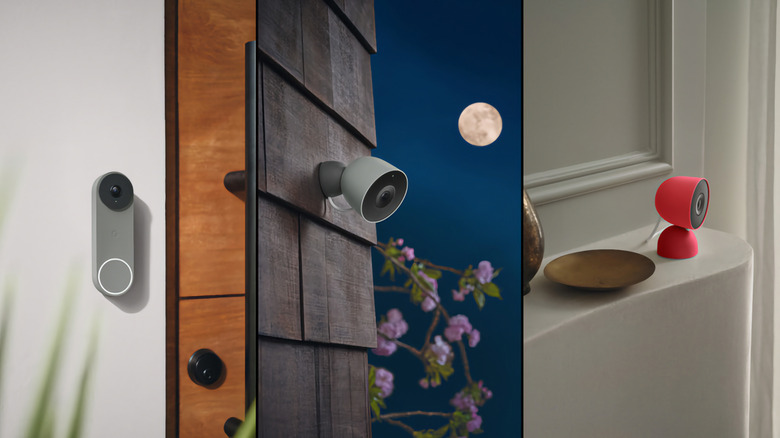
With the update, users can create automations based on activity captured through compatible cameras, including Nest devices. Instead of relying only on schedules, voice commands, or sensor-based triggers, Gemini can now respond to visual events such as motion detection, people appearing at the door, or activity in specific areas of the home.
The feature marks another step in Google’s broader effort to integrate Gemini AI more deeply across its ecosystem of products and services, particularly within smart home experiences.
For example, users could set up routines where hallway lights automatically switch on when a camera detects movement at night, or have indoor devices react differently depending on whether someone is recognized at the front door. Camera-triggered automations can also work alongside existing Google Home routines for more personalized smart home behavior.
Google says the new system is designed to make automations feel more natural and context-aware compared with traditional rule-based setups.
The company has been steadily expanding Gemini’s role within Google Home over recent months, introducing AI-driven controls, conversational commands, and smarter home management features. By combining AI with visual awareness from cameras, Google appears to be positioning Gemini as a more proactive assistant capable of understanding events happening inside and around the home.
The update also strengthens Google’s competition with other smart home ecosystems, including Amazon Alexa and Apple HomeKit, both of which continue investing heavily in AI-powered home automation and connected device experiences.
Privacy is expected to remain a key focus as camera-based features become more deeply integrated into smart home systems. Google says camera activity processing follows existing privacy and security settings available through Google Home and Nest products.
Users will reportedly have control over which cameras can be used for automations and what types of activity can trigger routines. The company is also emphasizing that users can customize automation rules according to their preferences.
The growing use of AI within smart homes reflects a wider trend across the tech industry, where companies are increasingly moving beyond simple voice assistants toward systems capable of understanding context, behavior, and real-world activity.
Gemini’s camera integration could also improve accessibility and convenience for users who prefer automated actions over manual controls. Instead of issuing repeated voice commands, homes may eventually react automatically based on movement patterns, occupancy, or recognized activities.
Google has not yet detailed every supported automation scenario, but the update suggests the company is continuing to build Gemini into a central intelligence layer for connected home devices.
As smart home competition intensifies, features like camera-triggered AI automations may become an increasingly important differentiator for major tech platforms seeking to create more seamless and intelligent home experiences. King’s College London Researchers Gain Access to Google’s Willow Quantum Chip | Maya