A New Middle East War: How the Iran Conflict Could Reshape the Region- For decades, the Middle East lived under the shadow of a war that seemed inevitable yet never fully materialized. Rival powers confronted each other through proxy battles, economic pressure, and occasional military strikes, but leaders repeatedly stepped back from the brink of direct confrontation. That delicate balance now appears to have collapsed. What began in early 2026 as a series of coordinated military actions has rapidly evolved into a broad regional conflict involving Iran, Israel, the United States, and multiple armed groups across the Middle East. Though no formal declaration of war has been issued, the scale and intensity of events have already transformed the situation into a full-scale regional confrontation.
The current phase of the conflict was triggered by major military strikes targeting Iranian leadership and strategic installations in late February 2026. These attacks eliminated several high-ranking Iranian figures and caused significant damage to military infrastructure. Tehran responded almost immediately with retaliatory missile and drone strikes directed at Israeli territory, American military facilities in the region, and strategic targets across the Gulf. Within days, tensions that had been building for years erupted into open hostilities across several fronts.
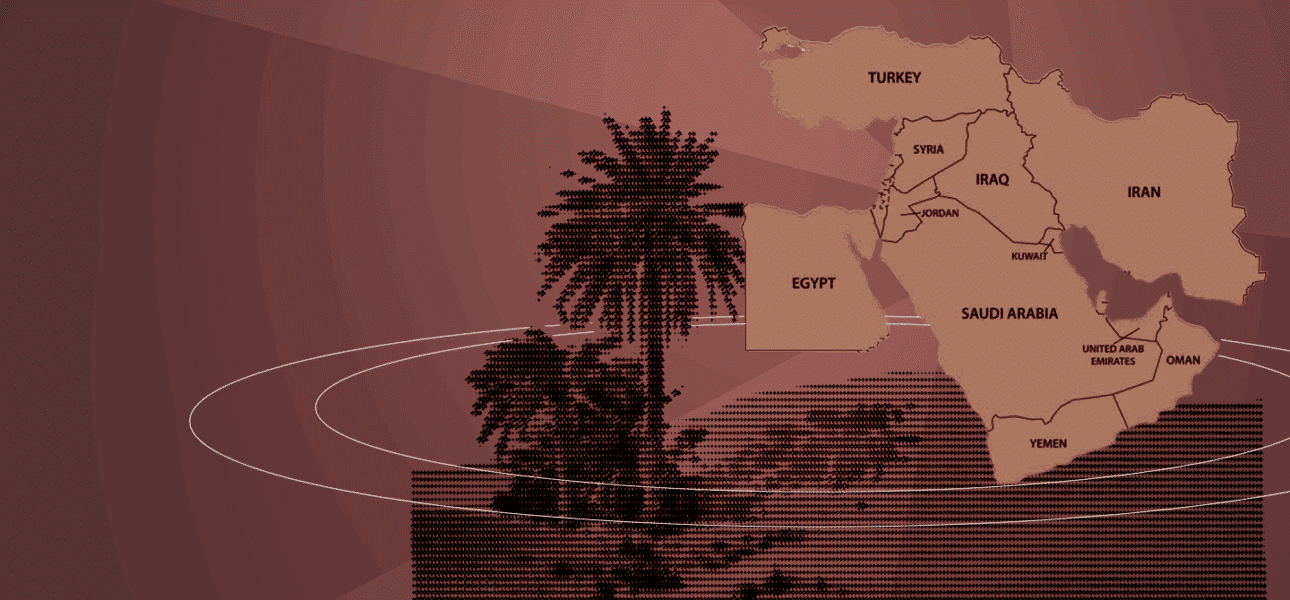
Iran’s ability to escalate so quickly did not emerge overnight. Over the past two decades, Tehran carefully developed a network of allied militias and political partners throughout the region. Iranian officials often refer to this structure as the “Axis of Resistance.” It includes armed groups and governments sympathetic to Iran across Lebanon, Syria, Iraq, and Yemen. This network allows Iran to project military influence without relying solely on its conventional armed forces. In times of conflict, these groups can launch coordinated attacks from different directions, forcing adversaries to divide their military resources.
One of the most intense fronts of the current conflict has opened along Israel’s northern border with Lebanon. Hezbollah, the powerful Lebanese militant organization allied with Iran, has launched large numbers of rockets and missiles toward Israeli territory. In response, Israel has carried out extensive airstrikes and artillery attacks across southern and eastern Lebanon, targeting Hezbollah’s infrastructure and weapons depots. The escalation has caused severe destruction in several Lebanese cities and forced large numbers of civilians to flee their homes.
Lebanon’s fragile state institutions have struggled to cope with the renewed fighting. Years of economic collapse, political paralysis, and financial crisis had already weakened the country’s government. The latest conflict has pushed Lebanon even closer to instability, with infrastructure damage, humanitarian concerns, and political divisions deepening the crisis. For many Lebanese citizens, the country once again finds itself trapped in a conflict driven by regional power struggles.
Israel is also confronting one of the most complicated military situations in its modern history. The country faces threats not only from Hezbollah in Lebanon but also from Iranian missile forces and allied groups operating in Syria and Iraq. At the same time, tensions with Palestinian factions continue to require significant military attention. The Israeli armed forces have mobilized large numbers of reservists, and operations now stretch across multiple theaters simultaneously.
While much of the world’s attention focuses on the fighting on land, the maritime dimension of the conflict has become equally critical. Iran has signaled that it is willing to disrupt shipping through the Strait of Hormuz, a narrow but strategically vital waterway connecting the Persian Gulf to the open ocean. A large portion of the world’s oil supply normally travels through this corridor, making it one of the most important energy routes on the planet.
Any disruption in this area has immediate consequences for global markets. Since the beginning of the conflict, tanker traffic has decreased sharply as shipping companies and insurers assess the growing security risks. Some vessels have reportedly been damaged by drone or missile attacks, while others have chosen to delay voyages until the situation stabilizes. The uncertainty has pushed energy prices higher and introduced volatility into international markets.
Oil and gas infrastructure throughout the Gulf region has also become a potential target. Missile and drone strikes have threatened major export facilities, pipelines, and refineries. Even limited disruptions have created anxiety among governments and investors, because energy exports from Gulf countries play a crucial role in the global economy. The possibility of further attacks has forced several states to increase air defense measures around key installations.
The psychological impact of the war is especially visible in the wealthy Gulf states. Cities such as Dubai and Doha built their international reputation on safety, stability, and economic opportunity. The sound of air defense systems and the presence of missile warnings have challenged that image. For investors and multinational corporations, the perception that these financial hubs might become vulnerable to regional warfare represents a significant shift.
The United States has also been drawn deeper into the confrontation. American military bases across the Middle East have faced repeated threats and occasional attacks from Iranian-linked groups. Washington has responded by reinforcing its naval and air presence in the region, deploying additional defensive systems and warships. However, political sentiment inside the United States remains cautious about entering another prolonged Middle Eastern conflict.
This tension creates a complicated strategic environment. On one hand, the United States maintains security commitments to several regional partners. On the other, public and political support for a large-scale military campaign is limited. Iranian leaders appear to be aware of this dynamic and may be calculating that Washington will avoid escalating the conflict beyond a certain threshold.
Iran’s strategy relies heavily on asymmetric warfare. Rather than confronting stronger militaries in traditional battles, Tehran uses missiles, drones, cyber operations, and proxy forces to impose costs on its adversaries. This approach allows Iran to operate across a wide geographic area while limiting direct exposure of its own military personnel.
Beyond the battlefield, the war is already producing significant economic consequences. Oil prices have risen sharply as traders react to the risk of supply disruptions in the Gulf. Financial markets have experienced sudden fluctuations, and governments around the world are monitoring the situation closely because prolonged instability could fuel inflation and slow economic growth.
Global trade routes are also being affected. Some shipping companies have begun redirecting vessels away from potentially dangerous waters in the Middle East, choosing longer routes around Africa instead. These detours increase transportation costs and extend delivery times, creating ripple effects throughout global supply chains.
The long-term political consequences of the conflict may prove even more significant. Lebanon could slide further toward state collapse, while Gulf countries may invest heavily in new regional defense arrangements. Israel’s security strategy could evolve toward even more aggressive preventive measures against perceived threats.
Iran itself faces two possible outcomes. If the conflict leads to sustained military pressure and economic damage, Tehran could emerge weakened and forced to reconsider aspects of its regional strategy. However, if Iran manages to withstand the confrontation without major losses, its leadership may feel emboldened and more confident in the effectiveness of its proxy-based approach.
Another major concern is the possibility of wider escalation. Armed groups in Iraq and Syria have already indicated their willingness to target American and Israeli interests. Additional countries could become indirectly involved through military assistance, intelligence support, or defensive alliances. Such developments could transform the war into a broader international crisis.
Perhaps the most tragic aspect of the current situation is that many analysts had warned for years that the Middle East’s system of managed tensions was becoming unsustainable. Armed militias were gaining strength, missile arsenals were expanding, and diplomatic frameworks meant to contain conflict were weakening. Despite these warnings, political leaders were unable or unwilling to address the deeper structural problems driving regional instability.
Now those accumulated pressures have erupted into open warfare. The Middle East that emerges from this conflict will almost certainly look different from the one that existed before it. Energy routes, political alliances, and security arrangements across the region may all undergo significant transformation.
The only remaining question is whether these changes will ultimately result from negotiations and diplomatic settlements or from continued destruction on the battlefield. At the moment, the trajectory suggests a prolonged and dangerous confrontation—one capable of reshaping the Middle East and influencing global politics for many years to come.