After Weeks of Unrest, Iran Points Finger at US and Israel
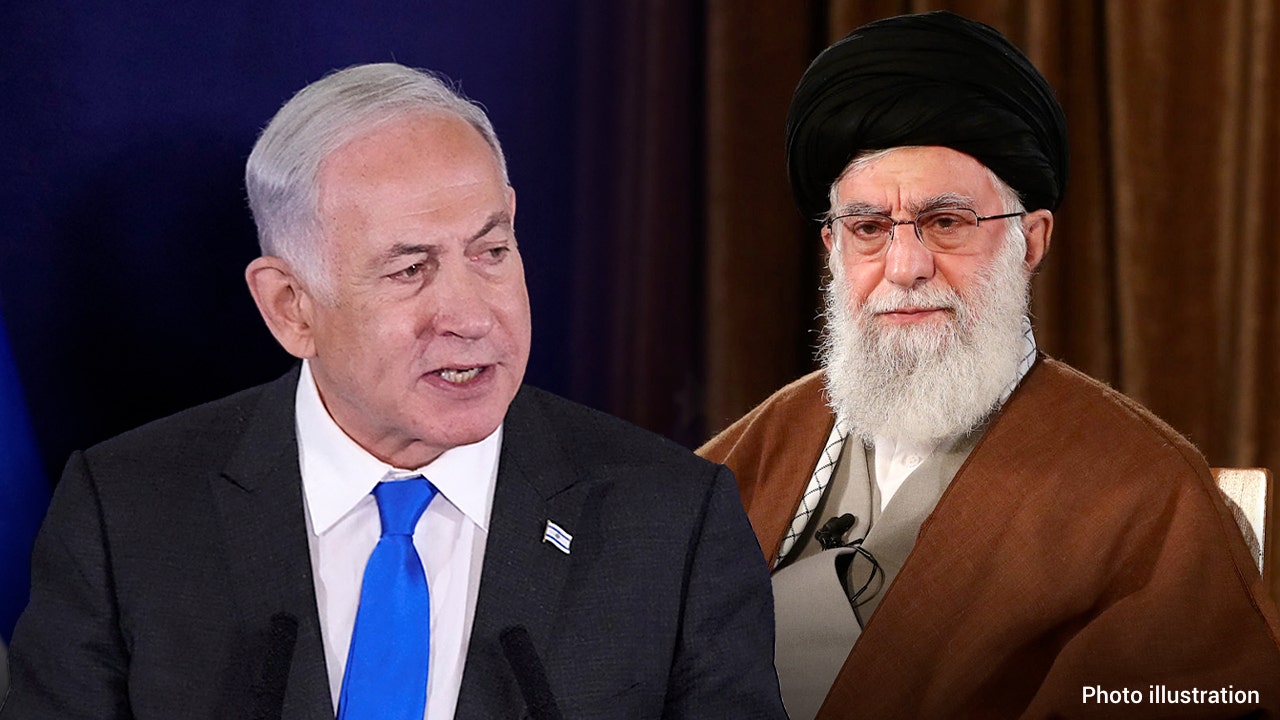
Iran’s Supreme Leader, Ayatollah Ali Khamenei, has directly blamed the United States and Israel for orchestrating violence during recent antigovernment protests, claiming that “several thousand” people were killed and that widespread damage occurred across the country. His statements mark the most forceful explanation yet from Iran’s leadership regarding the unrest, which has gripped the nation for more than two weeks.
In a televised address on Saturday, Khamenei described the protests, which began in late December 2025, as foreign-instigated “sedition” rather than spontaneous domestic unrest. He accused US President Donald Trump of personal involvement in the demonstrations, calling him a “criminal” and asserting that the US had actively encouraged and supported violent activity. Israel, he added, was also complicit, with both countries allegedly contributing to the loss of life and destruction.
The protests erupted initially in response to economic hardship, including rising inflation and a steep decline in the value of the Iranian rial, but quickly evolved into a broader expression of dissatisfaction with the government. Rights groups have reported thousands of deaths and tens of thousands of arrests, though independent verification remains difficult due to government restrictions and limited communications during the unrest.
During the height of the protests, Iranian authorities imposed a near-total internet shutdown and restricted mobile communication, preventing independent reporting and severely limiting the flow of information. In recent days, authorities have begun a phased restoration of SMS services and limited internet access, although connectivity remains inconsistent in many regions.
Khamenei framed the unrest as part of a wider geopolitical struggle, accusing the United States of seeking to dominate Iran’s political and economic future and of exploiting domestic dissent as a means to destabilize the country. He suggested that foreign powers had not only encouraged protesters but had coordinated armed actions and terrorist activities inside Iran to foment chaos.
Domestically, Iranian officials have sought to reinforce the narrative that protesters are “mohareb,” or enemies of God, a charge punishable by death under Iranian law. Prosecutors have warned that anyone found responsible for violent acts against security forces or state institutions could face severe penalties.
Despite the strong rhetoric, Khamenei emphasized that Iran does not seek conflict beyond its borders. “We will not drag the country into war,” he said, “but we will not allow domestic or international criminals to go unpunished.”
Both the United States and Israel have denied any direct involvement in the protests. While US officials have voiced support for the right to peaceful protest, they have condemned the Iranian government’s violent crackdown. Trump himself highlighted the plight of Iranian demonstrators but did not threaten military action, instead emphasizing international pressure and sanctions.
Human rights organizations have sharply criticized the Iranian authorities for their handling of the unrest. The number of deaths and arrests indicates a broad effort to suppress dissent, prompting calls for independent investigations and for the release of those detained. Observers warn that the crackdown could leave a lasting mark on Iranian society, reinforcing fear and resentment among citizens.
In Tehran and other major cities, public demonstrations have largely subsided, with shops reopening and streets appearing more orderly. However, the social and economic grievances that triggered the protests remain unresolved, and many residents continue to fear reprisals for their participation or for expressing dissent.
Political analysts note that the protests reflect long-standing frustration over economic mismanagement, political stagnation, and international isolation. Even if visible demonstrations have diminished, underlying tensions persist and could resurface if the government fails to address structural challenges.
The recent unrest has also heightened concerns about stability in the broader Middle East. Khamenei’s accusations against the US and Israel add to the already tense regional dynamics, raising the risk of miscalculation and potential escalation beyond Iran’s borders.
For now, Iran is in a tense calm. Security forces remain highly visible, and the government’s crackdown has effectively curtailed mass protests. Nevertheless, the legacy of the unrest, combined with the government’s harsh response, is likely to influence the country’s political and social landscape for months, if not years, to come.
NASA Explores Blockchain to Safeguard Air Traffic Systems | Maya