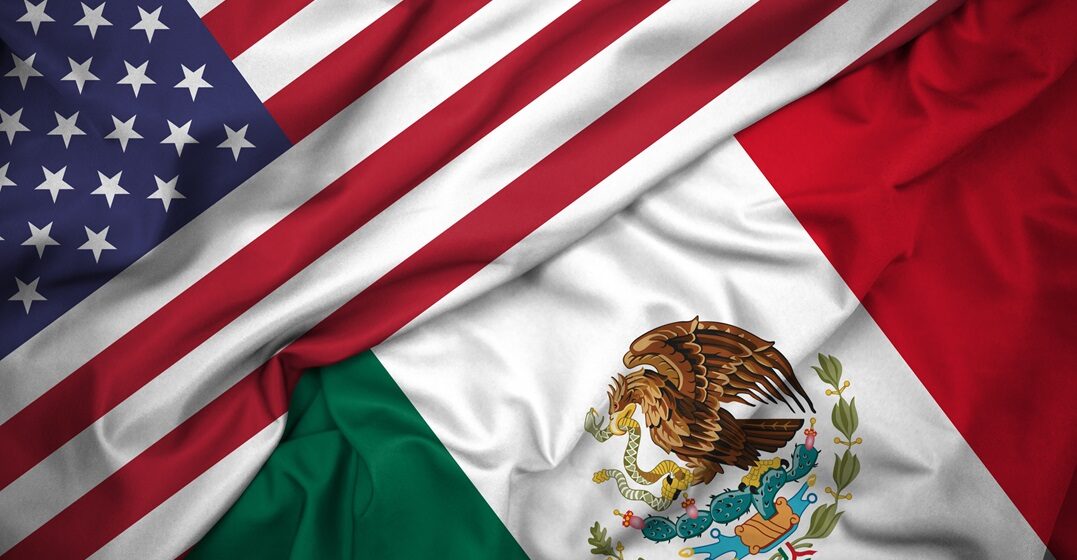
Are There Hidden Cultural Links Between Mexico and the USA? At first glance, the United States and Mexico might seem like two very different countries—one dominated by English-speaking culture and industrial urban centers, the other rich in Spanish heritage and vibrant traditions. Yet look a little closer, and you’ll see that these neighbors share deep and surprising cultural links. From food and festivals to music, language, and architecture, the historical and social connections between the two nations reveal a fascinating story of exchange, influence, and shared heritage.
Shared Culinary Traditions
Food is perhaps the most obvious—and delicious—connection between the U.S. and Mexico.
-
Tex-Mex Cuisine: Popular across the U.S., Tex-Mex combines traditional Mexican ingredients like beans, chiles, and tortillas with American tastes. Dishes such as nachos, fajitas, and chili con carne reflect centuries of border-region fusion.
-
Street Food and Regional Specialties: In southern U.S. states like California, Arizona, and Texas, tacos, tamales, and elote (grilled corn) are staples, reflecting centuries-old Mexican culinary influence. Meanwhile, northern Mexican states incorporate American ingredients, showing reciprocal influence.
-
Festive Foods: Both countries celebrate with food tied to holidays—tamales for Christmas in Mexico, turkey and pumpkin for Thanksgiving in the U.S.—yet border regions have blended these traditions, creating hybrid celebrations and flavors.
Festivals and Community Traditions
Festivals offer a vivid illustration of cultural overlap:
-
Day of the Dead (Día de los Muertos): Once primarily celebrated in Mexico, the tradition has become increasingly visible in U.S. cities like Los Angeles, San Antonio, and Chicago. Altars, sugar skulls, and parades honor ancestors, blending Mexican rituals with American public celebrations.
-
Cinco de Mayo: While originally commemorating Mexico’s victory at the Battle of Puebla, Cinco de Mayo has become a major cultural celebration in the U.S., especially in southwestern states. The holiday highlights music, food, and dance traditions shared across the border.
-
Border Town Festivals: Cities like El Paso, Laredo, and Tijuana host festivals that celebrate shared histories, crafts, and musical traditions, highlighting a vibrant bi-national culture.
Music and Dance Connections
Music and dance are another area of deep cultural exchange:
-
Mariachi and Norteño Music: Popular in Mexico, these genres have influenced country, Tejano, and even mainstream pop music in the U.S., particularly in Texas, California, and Arizona.
-
Jazz, Blues, and Rock Influences: While these genres are American in origin, Mexican-American communities have infused them with traditional Mexican instruments and rhythms, creating hybrid styles that resonate in border states.
-
Dance Traditions: Folklórico performances, line dances, and regional square dances all show cross-cultural influences. Dance has long served as a bridge between Mexican and American communities, preserving identity while fostering creativity.
Language and Storytelling
Language is another lens through which the U.S. and Mexico share culture:
-
Spanish in the U.S.: Millions of Americans speak Spanish, especially in border states and urban centers. Bilingual signage, literature, and media create spaces where Mexican and American cultures overlap seamlessly.
-
Shared Narratives: Folk stories, legends, and oral histories cross the border, reflecting themes of migration, struggle, and identity. Both nations celebrate heroes, myths, and local lore that shape community identity.
Architecture and Urban Planning
Shared architectural traditions also reveal historical connections:
-
Mission-Style Buildings: Churches and missions in California, Texas, and New Mexico mirror colonial Spanish architecture from Mexico. Adobe structures, courtyards, and tile work are found on both sides of the border.
-
Urban Design: Grid patterns, plazas, and community spaces in U.S. border towns often resemble traditional Mexican town layouts, reflecting centuries of planning influence.
Migration and Cultural Exchange
Migration has played a central role in linking the two countries culturally:
-
Mexican immigrants brought cuisine, music, crafts, and traditions to U.S. communities, while returning migrants carried American ideas back to Mexico.
-
Border regions have developed hybrid identities, blending languages, traditions, and social customs. Cities like San Diego-Tijuana and El Paso-Ciudad Juárez are prime examples of this cultural blending, where shopping, dining, and entertainment fuse elements from both nations.
Sports and Recreation
Sports also highlight shared cultural practices:
-
Soccer (Fútbol): While the U.S. has historically focused on American football and baseball, soccer—long popular in Mexico—is increasingly embraced across the country, especially in border states and urban areas.
-
Community Games and Traditions: Traditional Mexican sports and recreational games are sometimes played in U.S. neighborhoods with large Mexican-American populations, fostering cross-cultural participation.
In Summary
Despite apparent differences, Mexico and the United States share a rich web of cultural connections. From cuisine, festivals, and music to language, architecture, and migration patterns, these shared traditions demonstrate centuries of mutual influence.
Exploring these links allows travelers to experience culture in a living, dynamic way—whether sampling tacos in Austin, attending a Day of the Dead festival in Los Angeles, or exploring mission-style architecture in Santa Fe. These hidden connections show that the U.S. and Mexico are not just neighbors by geography—they are intertwined culturally, historically, and socially.
Understanding these shared roots enriches appreciation for both nations, highlighting how traditions evolve, adapt, and blend, creating a unique North American tapestry of culture that continues to thrive across borders.
Ancient Civilizations of the World: Timeline, Culture & Achievements | Maya