Can Apple Reinvent Itself Again at 50? Apple has reached an extraordinary milestone: 50 years at the forefront of technology and consumer culture. From a small garage in Cupertino, California, it grew into a $3.6 trillion company that has profoundly shaped the way billions communicate, work, and entertain themselves. Yet as Apple celebrates its golden anniversary, one pressing question remains: Can it reinvent itself once more?
A Legacy of Reinvention
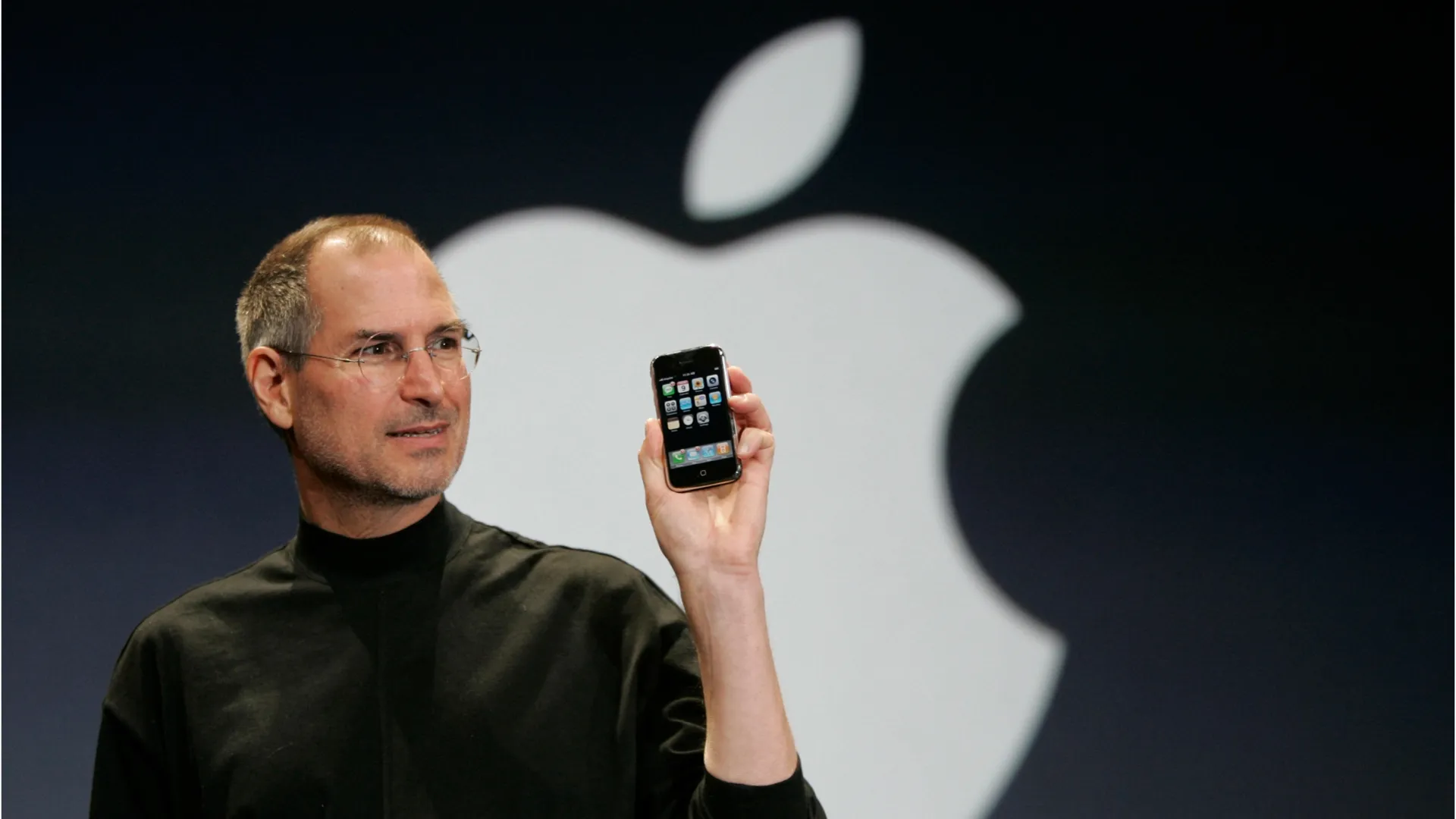
To answer that, we must first look back at Apple’s history. The company began with two remarkable figures: Steve Jobs, whose design sensibility and marketing acumen turned products into cultural icons, and Steve Wozniak, the engineering genius behind the first Apple computers. Together, they didn’t just build devices—they changed how people interacted with technology.
Over the decades, Apple repeatedly transformed entire industries. The Macintosh, launched in 1984, was dubbed “the computer for the rest of us,” bringing computing to people who had never considered themselves tech-savvy. Later, the iPod and iTunes revolutionized music consumption, the iPhone redefined the smartphone, and the iPad created a new category for personal computing. Even the Apple Watch, which entered the market years after competitors, quickly dominated wearables. Apple has consistently proven it can take existing technologies and turn them into indispensable products.
Steve Jobs’ Enduring Influence
Jobs, who passed away in 2011 at 56, was not an inventor in the traditional sense; he did not engineer every chip or write every line of code. His genius was connecting technology with design to create products that were both intuitive and elegant. Jobs’ philosophy of “hassle-free” experiences—where hardware, software, and services seamlessly work together—still drives Apple’s culture today under Tim Cook.
Jobs’ influence went beyond technology. Apple products became cultural symbols—emblems of creativity, sophistication, and status. But as the tech landscape shifts to AI, generative software, and rapidly evolving consumer expectations, the question is whether Apple can produce another wave of groundbreaking innovation.
Challenges Ahead
Apple faces several hurdles as it moves into its second half-century:
1. Market Saturation: The iPhone dominates the premium smartphone segment, but global smartphone sales are flattening. Most consumers already own smartphones, and upgrades are incremental. Growth from hardware alone is increasingly limited.
2. Regulatory Scrutiny: Apple’s services ecosystem, particularly the App Store, generates enormous revenue through transaction fees. However, this model has drawn regulatory attention in the U.S. and Europe, with allegations of monopolistic practices. Legal pressures could force Apple to adjust its core business strategies.
3. Innovation Pressure: Apple set exceptionally high expectations for its products. Delivering transformative technology in an era of rapid AI and software innovation is no small challenge. The company must innovate boldly to meet global consumer expectations.
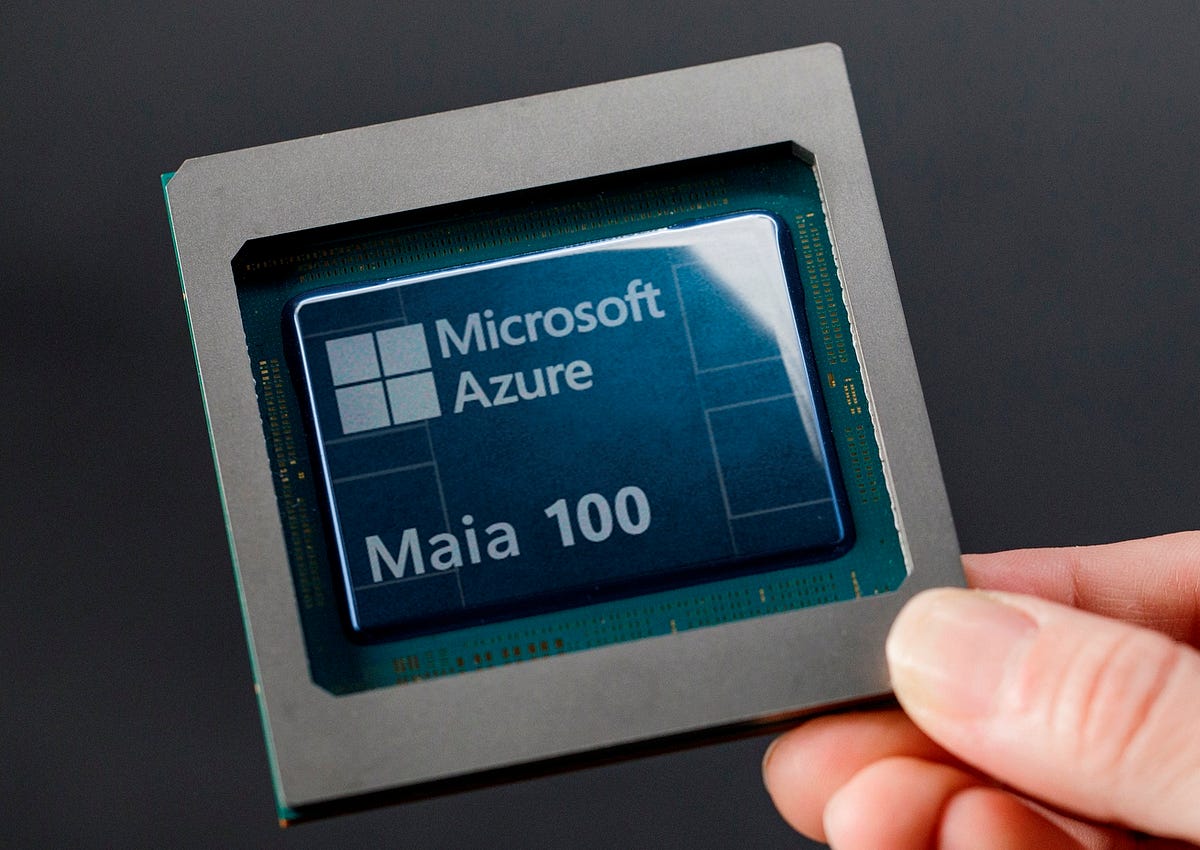
4. AI Disruption: Artificial intelligence is reshaping industries at lightning speed. Competitors like Google, Microsoft, and OpenAI are pushing boundaries in AI-driven communication, creativity, and productivity. While Apple has integrated AI into Siri and photography tools, catching up without sacrificing its design-first philosophy is a significant challenge.
Opportunities for Reinvention
Despite these challenges, Apple has clear avenues to reinvent itself and maintain its leadership:
1. Expanding Services: Apple has pivoted from hardware to services like Apple Music, Apple TV+, iCloud, and Apple Arcade. These platforms offer recurring revenue and deepen integration into users’ lives. AI-enhanced services could create entirely new digital experiences.
2. AI-Powered Devices: Apple excels at merging hardware and software. AI could enhance iPhones, iPads, and Macs with smarter automation, personalized assistants, and predictive tools, all while maintaining Apple’s strong privacy standards—a key differentiator from competitors.
3. Health and Wearables: The Apple Watch demonstrated Apple’s ability to redefine personal health. Expanding AI-driven health monitoring, predictive analytics, and advanced wearables could position Apple as a leader in the consumer healthcare sector, projected to grow dramatically over the next decade.
4. Augmented and Mixed Reality: Apple is rumored to be developing AR glasses and other immersive experiences. With design expertise and an integrated ecosystem, Apple could make AR mainstream, blending productivity, entertainment, and daily life in ways similar to the iPhone revolution.
5. Sustainability and Ethics: Consumers increasingly value sustainability, ethical practices, and privacy. Apple can leverage its brand to lead in these areas, reinforcing customer loyalty and differentiating itself from competitors who prioritize speed over responsibility.
Can Apple Do It Again?
History shows that Apple thrives by taking existing technologies and turning them into cultural phenomena. The company didn’t invent the MP3 player, smartphone, or tablet, yet it made each essential to daily life. This ability to identify potential and combine it with design and marketing is Apple’s unique advantage.
The road ahead is different from the past. AI, regulatory challenges, and global market pressures require more than incremental improvements. Reinvention demands vision, bold decisions, and a willingness to enter new domains—whether that’s AI, healthcare, AR, or something entirely unexpected.
Final Thoughts
Apple at 50 is no longer a scrappy startup or the disruptive force of the 2000s. It is a mature, resource-rich company with a massive user base, strong brand loyalty, and an unparalleled record of turning ideas into cultural icons. The question is whether it can harness these advantages to lead in the age of AI, evolving consumer expectations, and regulatory pressures.
Apple has always succeeded when it combined design, technology, and insight into human behavior—anticipating what people want before they know it themselves. If it applies the same philosophy to AI, health, AR, and next-generation services, the answer is likely yes: Apple can reinvent itself again, shaping not only its future but potentially the next 50 years of technology.
The next chapter in Apple’s story will determine whether the company continues to define culture, or if it becomes a revered giant adapting to change rather than driving it.
The Global Energy Crisis and the Scientific Path Beyond Solar and Wind | Maya