Can the Gulf States Stay Safe Amid a Wider War? For decades, the wealthy monarchies of the Gulf cultivated an image of calm in a region often defined by upheaval. While parts of the Middle East endured invasion, civil war and political collapse, states such as the United Arab Emirates, Qatar and Saudi Arabia promoted themselves as secure centers for finance, logistics, tourism and innovation. Their skylines rose as symbols of insulation from instability.
Today, that sense of insulation is under severe strain. A dramatic escalation between Iran, Israel and the United States has transformed long-simmering tensions into open warfare. Coordinated US-Israeli air strikes have targeted key Iranian military and strategic assets, reportedly killing senior members of Iran’s leadership and severely damaging command structures. In response, Iran has launched waves of ballistic missiles and armed drones not only toward Israel but also toward American military facilities across the Gulf.
For the first time in years, Gulf cities have faced direct spillover from major interstate conflict. Air defenses have been activated. Missiles have been intercepted over or near urban centers. Civil aviation has been disrupted. Even where damage has been limited, the psychological and financial impact has been immediate. The Gulf’s carefully built narrative of stability now faces a harsh test.
A Security Model Under Pressure
The Gulf’s modern security architecture has long rested on American power. US naval fleets patrol nearby waters, air bases dot the region, and missile defense systems have been integrated into local military planning. The implicit understanding has been clear: in exchange for strategic cooperation and energy stability, Washington would deter or confront serious external threats.
But the current conflict exposes ambiguities in that arrangement. The United States appears determined to avoid large-scale ground deployments, even as it participates in extensive air operations. That reluctance reflects lessons drawn from the costly wars in Afghanistan and Iraq. Yet it also leaves Gulf leaders wondering how far American protection extends if Iranian retaliation intensifies.
Hosting US forces, once seen as an unquestioned security advantage, now carries added risk. Military facilities in countries such as Bahrain, Qatar and the UAE are potential targets. Even if Gulf governments call for de-escalation, their territory may be viewed as operationally linked to US actions. In a volatile environment, that distinction may not matter to Tehran’s strategists.
Iran’s Expanding Reach
Iran has spent years developing a formidable arsenal of missiles and drones capable of striking across the region. Its strategy has traditionally relied on proxy networks in Lebanon, Iraq and elsewhere. The present escalation marks a shift: Tehran has directly launched large-scale retaliatory strikes.
While many incoming projectiles have been intercepted, the sheer volume underscores the vulnerability of dense urban and industrial zones. Gulf infrastructure is highly concentrated — desalination plants, ports, airports and energy facilities are often located near major cities. Even limited damage could disrupt water supplies, trade routes or power grids.
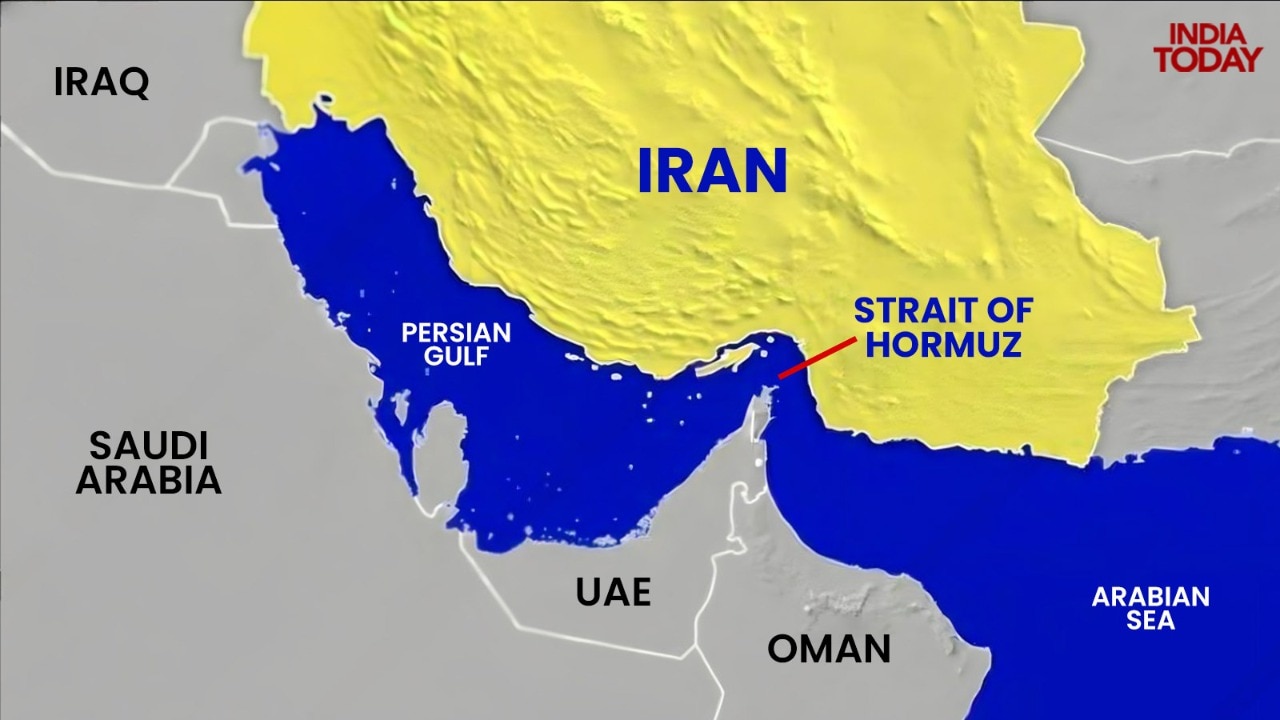
The Strait of Hormuz remains a particular flashpoint. A significant portion of the world’s oil passes through this narrow waterway. Any sustained threat to shipping — whether through missile attacks, drones or naval mines — would ripple through global markets. Insurance costs would surge, shipping routes might be altered, and energy prices could spike sharply.
Economic Stakes: Confidence Is Everything
The Gulf states’ economic transformations over the past two decades have been built not only on hydrocarbon wealth but also on predictability. Dubai’s property market depends on expatriate confidence. Doha’s global aviation network relies on stable airspace. Riyadh’s ambitious economic diversification plan, Vision 2030, seeks to attract massive foreign investment into technology, tourism and entertainment.
Conflict threatens all of this. Even short-term hostilities can unsettle investors. Prolonged war could deter multinational corporations from expanding regional operations. Tourism — often highly sensitive to security perceptions — would likely decline rapidly if missile alerts became routine.
Higher oil prices may provide temporary fiscal relief, but they are a double-edged sword. Revenue gains are offset by the broader instability that fuels them. Moreover, extreme volatility reinforces global efforts to reduce reliance on fossil fuels, potentially undermining long-term Gulf strategies.
Perception matters as much as physical damage. The Gulf’s global brand is built on safety and efficiency. Once that brand is questioned, rebuilding confidence could take years.
Political Tightropes
Diplomatically, Gulf governments are navigating a delicate path. Many have pursued pragmatic engagement with Iran in recent years, reopening channels of communication and seeking to lower tensions. At the same time, they maintain deep security ties with the United States and increasingly visible relations with Israel.
Openly aligning with one side risks antagonizing another. Remaining neutral, however, may prove impossible if hostilities intensify. Domestic considerations also complicate decision-making. Gulf societies are diverse, with large expatriate populations and varying political sensibilities. A prolonged regional war could generate anxiety, economic strain and social tension.
Leaders who have anchored legitimacy in prosperity and modernization must now demonstrate competence in crisis management. Public expectations for security are high. Any sustained disruption to daily life — whether through economic slowdown or visible military threat — could test social cohesion.
Resilience and Strategic Options
Despite these challenges, the Gulf states possess significant strengths. They have invested heavily in advanced air defense systems and intelligence capabilities. Financial reserves provide buffers against economic shocks. Regional coordination, though imperfect, offers mechanisms for consultation and joint response.
Diplomatic agility remains a crucial asset. Gulf capitals often maintain communication channels with rival powers simultaneously. In a moment of acute tension, they could leverage these relationships to encourage de-escalation or facilitate indirect talks.
The key variable, however, is duration. A short, contained conflict — even if intense — may be absorbed. Markets can rebound quickly once ceasefires take hold. Business travelers and tourists may return once headlines fade.
A protracted war is another matter. Repeated missile exchanges, persistent airspace closures or ongoing maritime disruptions would gradually erode the perception of safety. Investors might seek alternatives. Skilled expatriates could reconsider long-term commitments. Economic diversification plans might stall.
At a Regional Crossroads
For years, two Middle Easts seemed to coexist: one mired in conflict, another characterized by rapid growth and relative calm. The Gulf states embodied the latter model. The current escalation threatens to blur that boundary.
Whether the Gulf can remain safe amid a widening war will depend on a combination of credible deterrence, sustained diplomacy and restraint by the major powers involved. It will also depend on whether the conflict remains limited or expands unpredictably.
The Gulf monarchies have weathered shocks before — oil price collapses, regional uprisings and diplomatic rifts. But a sustained, high-intensity confrontation involving Iran, Israel and the United States would test even their considerable resources.
The coming months may determine whether the Gulf’s promise of stability can endure in the face of regional upheaval — or whether the storm now gathering will permanently reshape the landscape of prosperity it has so carefully built.