Can You Finally Understand That Foreign Song You Love? Spotify’s New Feature Changes Everything
If you’ve ever found yourself humming along to a Korean pop hit, a Spanish reggaeton track, or a French ballad without having the slightest clue what the lyrics actually mean, your musical prayers have just been answered. Spotify has just rolled out three major upgrades to its lyrics feature that are fundamentally changing how hundreds of millions of users experience music every single day.
And the best part? Some of these features are available to everyone, not just Premium subscribers.
The Language Barrier Just Crumbled
Music has always been called a universal language, but let’s be honest—when Bad Bunny is spitting rapid-fire Spanish or BTS is delivering emotional Korean verses, non-native speakers have been largely left guessing at the deeper meanings behind the melodies. Until now.
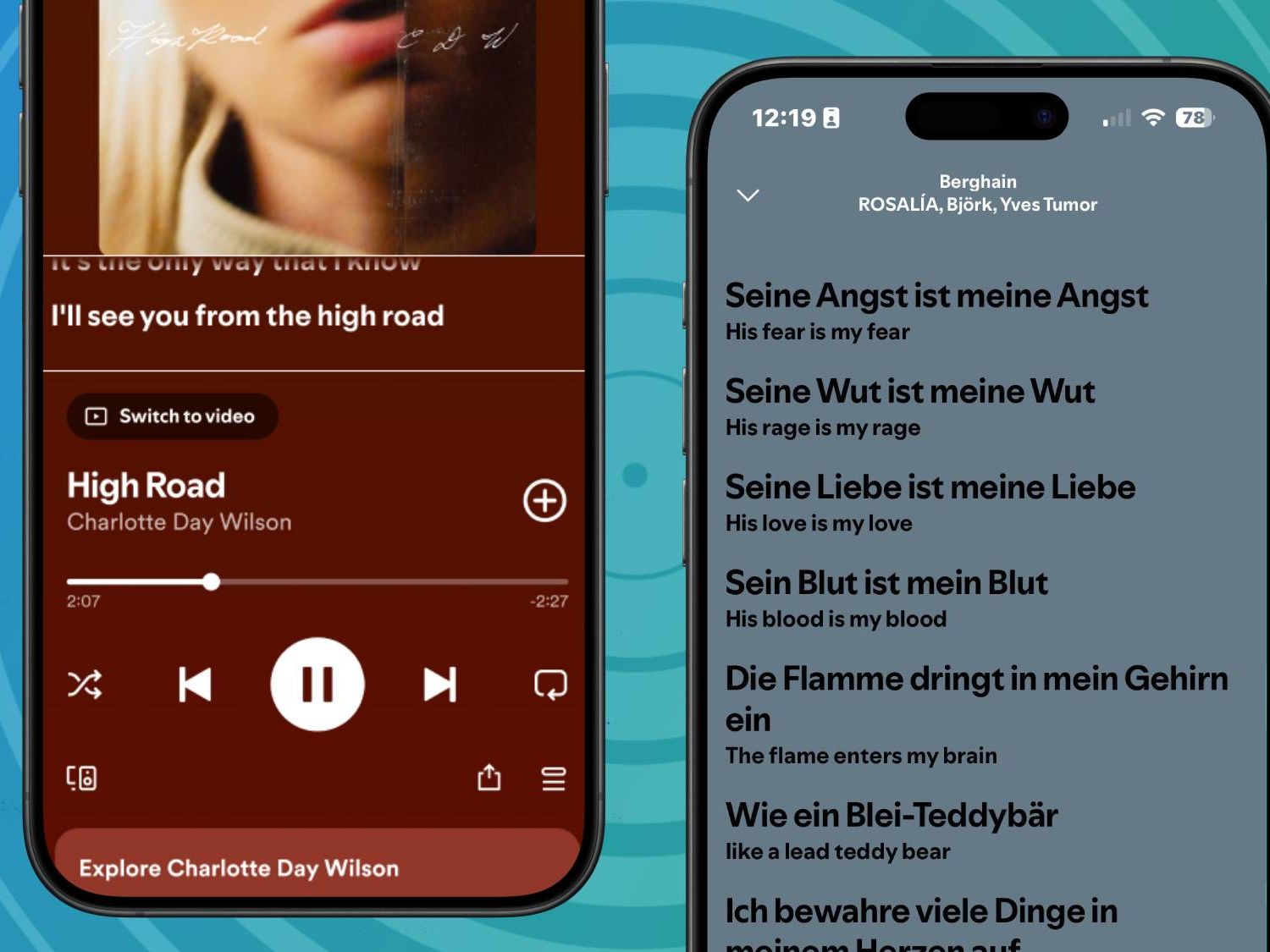
Spotify announced today that lyric translations are now available worldwide, a massive expansion from the 25+ markets where the feature initially launched. This isn’t just a minor update—it’s a complete democratization of music comprehension that puts the meaning of songs in any language directly into your hands.
Here’s how it works: When you’re listening to a track that has translations available, simply tap the translate icon on the lyrics card. The translation will appear underneath the original lyrics in real-time, synced perfectly with the music. The translations automatically appear based on your device’s language settings, so if your phone is set to English, you’ll see English translations. Spanish speaker? You’ll get Spanish translations. It’s that seamless.
And if you’re a language learner or just curious about the original phrasing, switching back to view only the original lyrics takes just one tap. It’s a brilliant implementation that respects both the artist’s original work and the listener’s need for understanding.
The big news? This feature is available to both Free and Premium Spotify users around the world. In an era where many streaming platforms are increasingly gating features behind paywalls, Spotify’s decision to make translations universally accessible is genuinely surprising and commendable.
Lyrics Go Offline: Because Life Doesn’t Always Have Wi-Fi
Ever been on a plane, scrolling through your downloaded playlists, only to realize you can’t access the lyrics you’ve been relying on to sing along? Or found yourself on a subway platform with no service, unable to settle a lyric debate with a friend? Those frustrating moments are officially over.
Spotify’s second major announcement addresses a pain point that seems obvious in hindsight but has taken years to implement: offline lyrics. Starting now, when Premium users download tracks for offline listening, the lyrics automatically come along for the ride.
This might sound like a small quality-of-life improvement, but think about the implications:
Underground commuters who lose cell service the moment they descend into subway tunnels can still follow along with their favorite songs word-for-word. International travelers on long flights can pass the time learning song lyrics without paying for expensive in-flight Wi-Fi. People in rural areas with spotty coverage can enjoy the full lyrical experience without interruption. Gym-goers in basement facilities with poor reception can still nail every word of their workout playlist.
The feature works exactly as you’d hope—completely transparent and automatic. Download a song, get the lyrics. No extra steps, no additional settings to toggle. It just works.
There is one catch: offline lyrics are currently exclusive to Premium subscribers, which makes sense given that offline listening itself is a Premium feature. Still, for the millions of users already paying for Premium, this is an instant upgrade that requires zero effort to access.
Why Lyrics Matter More Than You Think
Spotify’s announcement included a fascinating statistic: lyrics are viewed hundreds of millions of times each day. Let that sink in. We’re not talking about a niche feature that a small percentage of users occasionally engage with. This is a core part of how modern music fans experience their favorite artists.
The popularity of lyrics reflects a fundamental shift in how people consume music. We’re no longer passive listeners content to treat vocals as just another instrument in the mix. Today’s fans want to understand, memorize, analyze, and connect with the words that artists are saying. They want to catch the clever wordplay, understand the emotional vulnerability, decode the cultural references, and sing along with confidence.
This is especially true for younger listeners who grew up in the streaming era. Gen Z and younger Millennials have made lyric videos on YouTube wildly popular, turned lyric annotation sites like Genius into cultural institutions, and made knowing every word to a song a social expectation at concerts and parties.
Spotify recognized this shift years ago when they first introduced the synchronized lyrics feature, but these new upgrades show they’re doubling down on lyrics as a core component of the listening experience rather than just a nice-to-have add-on.
The Translation Revolution: More Than Just Words
The worldwide expansion of lyric translations has implications that extend beyond simple convenience. This feature has the potential to genuinely transform how music crosses cultural and linguistic boundaries.
Consider the explosion of non-English music in global markets over the past few years. Artists like Bad Bunny, Rosalía, and Burna Boy have achieved massive international success despite primarily performing in Spanish or other non-English languages. K-pop groups like BTS and BLACKPINK have dominated charts worldwide while singing predominantly in Korean.
These artists succeeded because great music transcends language—the melodies, rhythms, and emotions connect with listeners regardless of whether they understand the words. But there’s always been a barrier to deeper appreciation. Fans could love the vibe without fully grasping the poetry, the storytelling, or the cultural commentary embedded in the lyrics.
Lyric translations remove that barrier. A teenager in Ohio can now understand the social commentary in a French rap song. A commuter in Tokyo can grasp the heartbreak in a Brazilian samba. A student in Germany can appreciate the wordplay in a Nigerian Afrobeats track.
This doesn’t just benefit listeners—it benefits artists too. Musicians who might have remained regionally popular now have the tools to build truly global fanbases, because international audiences can finally understand what makes their lyrics special.
What Took So Long?
If you’re wondering why features like offline lyrics and universal translations seem so obvious that it’s surprising they didn’t exist from day one, you’re not alone. But the reality of implementing these features at Spotify’s scale is more complex than it might appear.
Licensing complexity: Getting lyric rights from publishers and rights holders around the world involves navigating an incredibly complex web of agreements, territorial restrictions, and varying copyright laws. Expanding translations globally required securing additional rights and partnerships in countless markets.
Translation quality: Machine translation has improved dramatically, but translating song lyrics—with their metaphors, cultural references, slang, and poetic license—requires more nuance than translating a news article. Spotify likely invested significant time ensuring translations capture the intended meaning rather than producing awkward literal translations.
Technical infrastructure: Syncing lyrics in real-time is already computationally demanding. Adding translations that appear simultaneously, work offline, and update based on device language settings requires robust backend systems that can handle hundreds of millions of daily requests without lag.
Content moderation: Translations need to be reviewed for accuracy and appropriateness across cultures, adding another layer of complexity to what might seem like a straightforward feature.
The fact that Spotify has now solved these challenges and made the features available globally suggests they’ve built infrastructure that should only improve and expand from here.
What’s Still Missing?
While these updates are genuinely impressive, there are still some features lyric enthusiasts might be hoping for:
User-submitted corrections: Some lyrics on Spotify still contain errors. A system for users to suggest corrections (similar to Genius) could improve accuracy over time.
Karaoke mode: With synced lyrics already in place, a true karaoke mode with instrumental tracks would be the logical next step.
Lyric search: The ability to search for songs by typing in a lyric fragment would be incredibly useful for those “I can’t remember the title but it goes like…” moments.
More languages: While worldwide translation is now available, the number of language pairs supported will likely continue expanding as the feature matures.
The Bottom Line
Spotify’s lyrics upgrades represent more than just feature additions—they signal a fundamental recognition that modern music consumption is about more than just pressing play. It’s about understanding, connecting, and engaging deeply with the art.
For Free users, worldwide lyric translations mean language is no longer a barrier to discovering and appreciating music from any culture. For Premium subscribers, offline lyrics mean your listening experience stays complete even when your internet connection doesn’t.
And for everyone who’s ever wondered what those mysterious foreign lyrics actually meant, who’s tried to sing along but couldn’t quite catch all the words, or who’s been stuck on a plane wishing they could follow along with their downloaded music—this update is a genuine game-changer.
The features are rolling out globally now, so the next time you’re vibing to that catchy international hit, tap that translate button and discover what you’ve been missing. You might be surprised by how much deeper your appreciation becomes when you finally understand what your favorite artists have been saying all along.
Music may be a universal language, but thanks to Spotify, the lyrics don’t have to be a mystery anymore.
Grammy Night Humor Leads to Public Dispute Over Epstein Joke | Maya