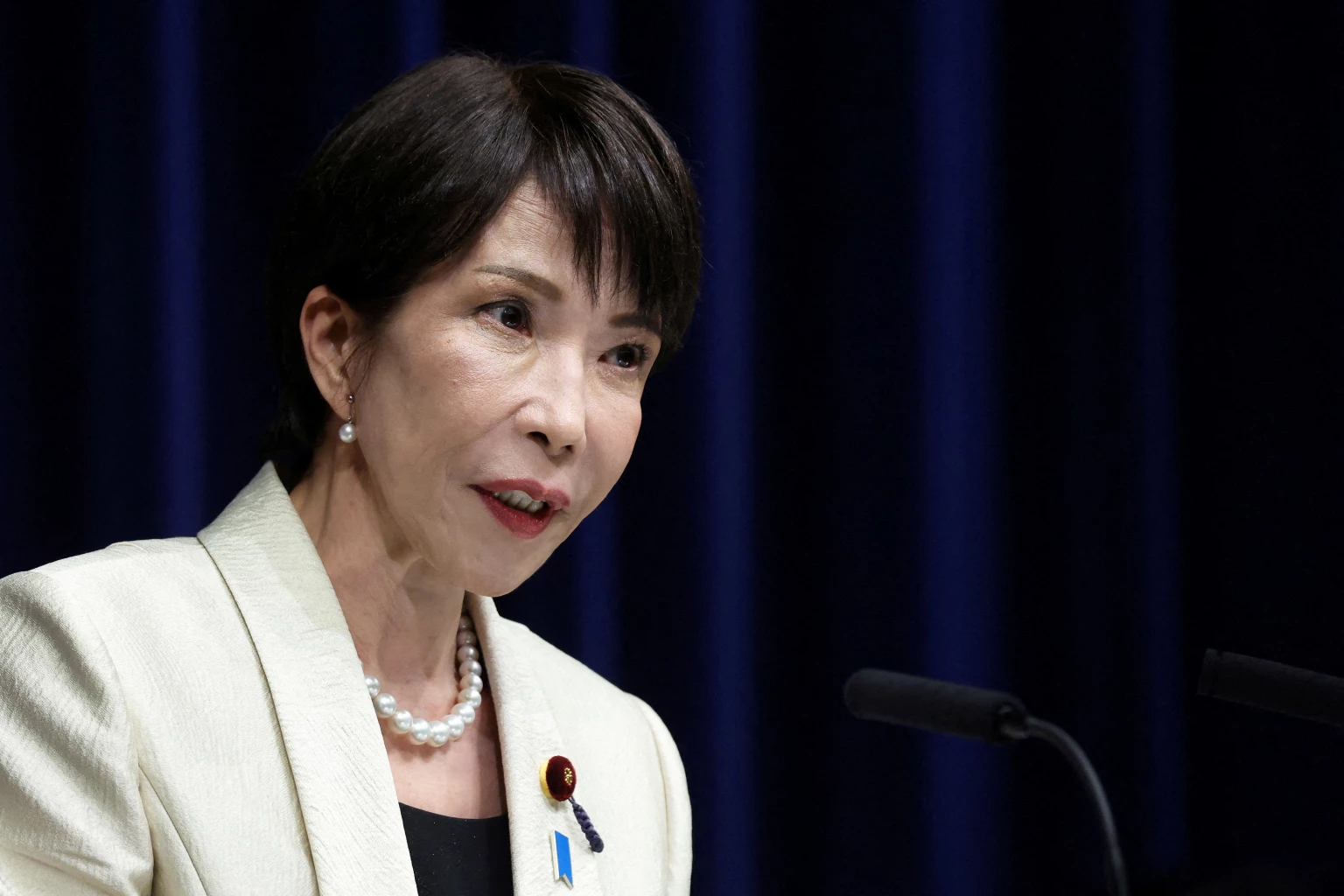
China Bans Exports to Japanese Firms as Dispute Over Taiwan Remarks Escalates- China has barred exports of critical minerals and other materials with potential military applications to several major Japanese companies, intensifying a diplomatic standoff with Tokyo sparked by comments about Taiwan from Japanese Prime Minister Sanae Takaichi.
The restrictions, announced Tuesday by China’s Commerce Ministry, target a group of prominent Japanese firms operating in sectors ranging from advanced manufacturing to defense-related technology. While Beijing did not publicly detail the full list of affected goods, officials said the measures apply to minerals and dual-use products that could have military significance.
The move signals that Beijing is prepared to escalate economic pressure despite Takaichi’s recent landslide victory in Japan’s parliamentary elections — a result that strengthened her political standing at home but appears to have hardened China’s response abroad.
A Growing Diplomatic Rift
Tensions between the two Asian powers flared after Takaichi made remarks underscoring Japan’s concern about stability in the Taiwan Strait and reiterating Tokyo’s support for maintaining peace across the sensitive waterway. Beijing views Taiwan as a breakaway province and considers foreign commentary on the issue to be interference in its internal affairs.
In response, Chinese officials accused Japan of “sending the wrong signal” and undermining regional stability. The new export controls appear to be a direct extension of that criticism, leveraging China’s dominant position in the global supply of certain critical minerals.
China controls a significant share of the world’s processing capacity for rare earth elements and other strategic materials used in semiconductors, electric vehicles, renewable energy systems and defense technologies. Restricting access to those inputs can have far-reaching consequences for high-tech industries.
Economic Pressure as a Policy Tool
Beijing has increasingly used trade and export measures as instruments of foreign policy, particularly in disputes involving technology or national security. By targeting goods with potential military applications, Chinese authorities framed the restrictions as a national security safeguard rather than a purely political response.
Still, analysts see the timing as closely linked to the diplomatic friction with Tokyo. The Commerce Ministry’s announcement came days after Takaichi’s electoral victory, suggesting that domestic political developments in Japan have not softened China’s stance.
The restrictions could disrupt supply chains for Japanese manufacturers that rely on Chinese-processed minerals. Companies in sectors such as electronics, automotive production and advanced machinery may be forced to seek alternative sources — a process that can be costly and time-consuming.
Regional Implications
The dispute unfolds against a backdrop of rising geopolitical tension in East Asia. Japan has in recent years strengthened security cooperation with the United States and other regional partners, citing concerns about China’s growing military capabilities and assertiveness.
Beijing, meanwhile, has repeatedly warned countries against deepening ties that it views as countering its interests, particularly when it comes to Taiwan. The island’s status remains one of the most sensitive flashpoints in global politics, with China pledging to pursue reunification and refusing to rule out the use of force.
Japan has stopped short of recognizing Taiwan as a sovereign state but has emphasized the importance of peace and stability in the Taiwan Strait — language that has drawn criticism from Chinese officials.
Tokyo’s Response
Japanese government officials have not yet announced retaliatory measures but said they are closely reviewing the implications of China’s export ban. Industry groups in Japan expressed concern that the restrictions could affect production schedules and long-term investment planning.
Some analysts argue that the latest move may accelerate Japan’s efforts to diversify supply chains and reduce dependence on Chinese raw materials — a strategy already underway following earlier global trade disruptions.
Takaichi, buoyed by her strong electoral mandate, has signaled that Japan will continue to advocate for its national interests and regional stability. Whether the standoff will evolve into broader trade retaliation or give way to renewed diplomatic engagement remains uncertain.
For now, Beijing’s latest action underscores that political tensions over Taiwan are spilling into economic arenas — and that relations between the region’s second- and third-largest economies are entering a more confrontational phase.