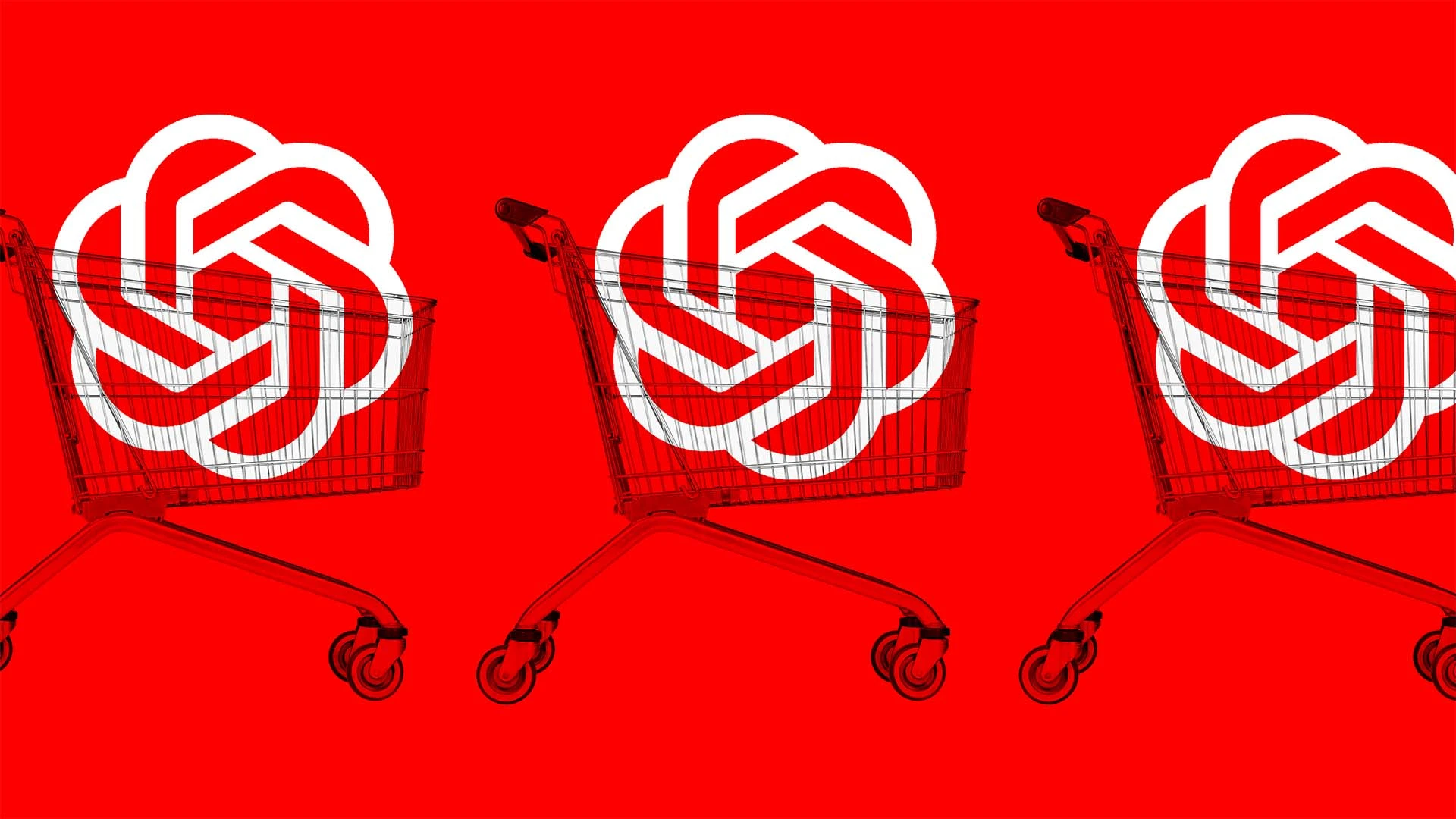
Could OpenAI Turn Pinterest into the Future of AI‑Driven Shopping? OpenAI, the company behind ChatGPT, may be planning one of its boldest moves yet: acquiring Pinterest. While the news is still unconfirmed, reports have sparked a nearly 3% jump in Pinterest’s stock, hinting at investor excitement. If this deal goes through, it could signal a major shift in OpenAI’s focus — from a chatbot company to a full-scale tech ecosystem that combines AI, visual discovery, and commerce.
At first glance, Pinterest might seem like an unusual target for an AI company. But when you look closer, it becomes clear why this could be a strategic masterstroke.
Why Pinterest is Valuable to OpenAI
Pinterest is a treasure trove of visual data, hosting hundreds of billions of images, each tagged with descriptive keywords like “home renovation,” “gift ideas,” or “summer outfits.” These tags aren’t random; they represent user intent, showing exactly what people are looking for, planning, or buying. For AI, this is gold. It allows models to learn not just language patterns but human decision-making and preference behaviors.
Beyond data, Pinterest has an established e-commerce infrastructure. Users can connect with merchants directly, and the platform already monetizes through search-driven ads. For OpenAI, this means the ability to combine its AI models with a platform that’s already built for commerce — creating a seamless path from discovery to purchase. In other words, ChatGPT could evolve from answering questions to actively guiding users toward products and services, personalized to their tastes.
A Strategic Move in the AI Arms Race
OpenAI is racing to keep pace with tech giants like Google and Meta, who are integrating AI into search and commerce. Google’s Gemini project, for example, combines search data with advanced AI, giving it a competitive edge. Meta, meanwhile, is experimenting with AI-powered recommendations across its platforms.
Acquiring Pinterest could give OpenAI a similar advantage: a massive dataset of images linked to human intent, combined with a platform designed for commerce. This isn’t just about owning a social network — it’s about controlling a critical piece of the AI-powered discovery and shopping pipeline.
OpenAI’s Expanding Ambitions
OpenAI has evolved rapidly over the past few years. It has:
-
Invested heavily in computing infrastructure and cloud partnerships to support advanced AI training.
-
Expanded into multimodal AI, capable of understanding text, images, and other data types.
-
Partnered with Microsoft for deep investment and integration into productivity tools.
-
Increased its valuation to around $500 billion, making it one of the most valuable private tech companies worldwide.
All of these moves point toward a larger goal: building an AI ecosystem that extends beyond conversation into everyday life. Pinterest could serve as a bridge between OpenAI’s technology and practical applications, like planning a home renovation, finding fashion inspiration, or shopping smarter online.
What This Could Mean for Users
If OpenAI integrates its AI with Pinterest, we could see a new kind of digital experience:
-
AI-powered shopping assistants: ChatGPT could generate personalized recommendations based on visual searches or user behavior.
-
Enhanced visual discovery: Users might interact with AI to find items, ideas, or inspiration in ways that feel intuitive and tailored.
-
Streamlined commerce: Instead of browsing multiple sites, users could move seamlessly from inspiration to purchase, guided by AI.
This could also reshape the competitive landscape for tech companies. Search engines, social media platforms, and e-commerce sites may need to adapt to AI systems capable of combining text and visual data in real-time.
A Peek Into the Future
OpenAI’s interest in Pinterest is more than just an acquisition rumor; it’s a potential blueprint for the future of AI-powered discovery. If executed, it could redefine how people search, shop, and interact with technology. By linking AI with a massive dataset of images and user intent, OpenAI could create a platform where ideas become actionable, purchases become effortless, and inspiration turns into instant results.
In short, the move could signal a shift in how AI integrates into daily life — from answering questions to actively shaping the way we explore, plan, and buy. For OpenAI, Pinterest isn’t just a social platform; it’s a gateway to building the next generation of AI-driven commerce and discovery.
Nadella on Cleaning Up AI: From Hype to Human-Centered Design | Maya