Could This Multi-Day U.S. Military Exercise Trigger a War With Iran?
U.S. forces have launched a multi-day air combat readiness exercise across the Middle East, signaling a heightened military posture as tensions with Iran escalate. While U.S. officials insist the drills are intended to enhance preparedness and deterrence, analysts warn that the buildup could increase the risk of miscalculation and potentially spark a wider conflict.
What the Exercise Involves
The operation, organized by U.S. Central Command’s air component, Air Forces Central (AFCENT), is described as a test of the military’s ability to deploy rapidly, disperse aircraft across multiple locations, and sustain air operations in challenging conditions. The exercise also focuses on integrating logistics, command systems, and cooperation with allied and partner nations in the region.
While officials have confirmed the exercise is underway, the exact locations, participating units, and total duration have not been disclosed. The drills are coordinated with host nations and aviation authorities, emphasizing safe and precise operations under demanding scenarios.
Force Buildup in the Region
The exercises follow the arrival of the USS Abraham Lincoln Carrier Strike Group in the region, which brings additional aircraft, guided-missile destroyers, and support vessels. U.S. fighter jets, including F-15Es, are operating alongside allied aircraft such as UK Typhoon fighters, significantly expanding the U.S. military’s rapid-response capabilities.
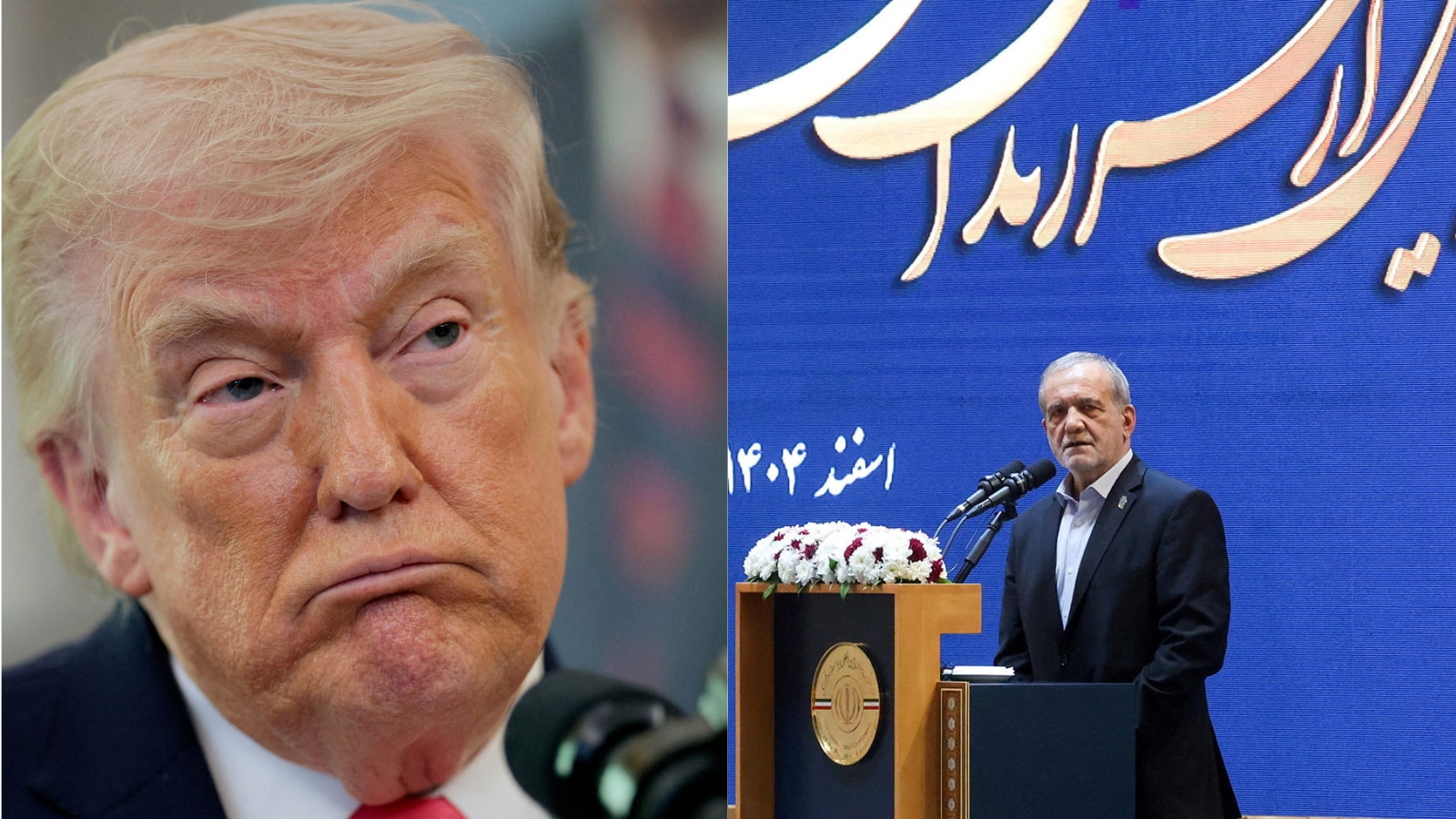
President Donald Trump and senior U.S. officials have stressed that the drills are meant to demonstrate readiness and deter aggression, not signal imminent military action. At the same time, Trump has left the door open for diplomacy, indicating that the U.S. would prefer to avoid conflict but is prepared to act if necessary.
The Iran Factor
The backdrop to this military posture is the ongoing unrest in Iran following a violent crackdown on nationwide protests, which began in late 2025. Human rights groups report thousands of fatalities, while the Iranian government acknowledges significant casualties, making this one of the most severe crackdowns in decades.
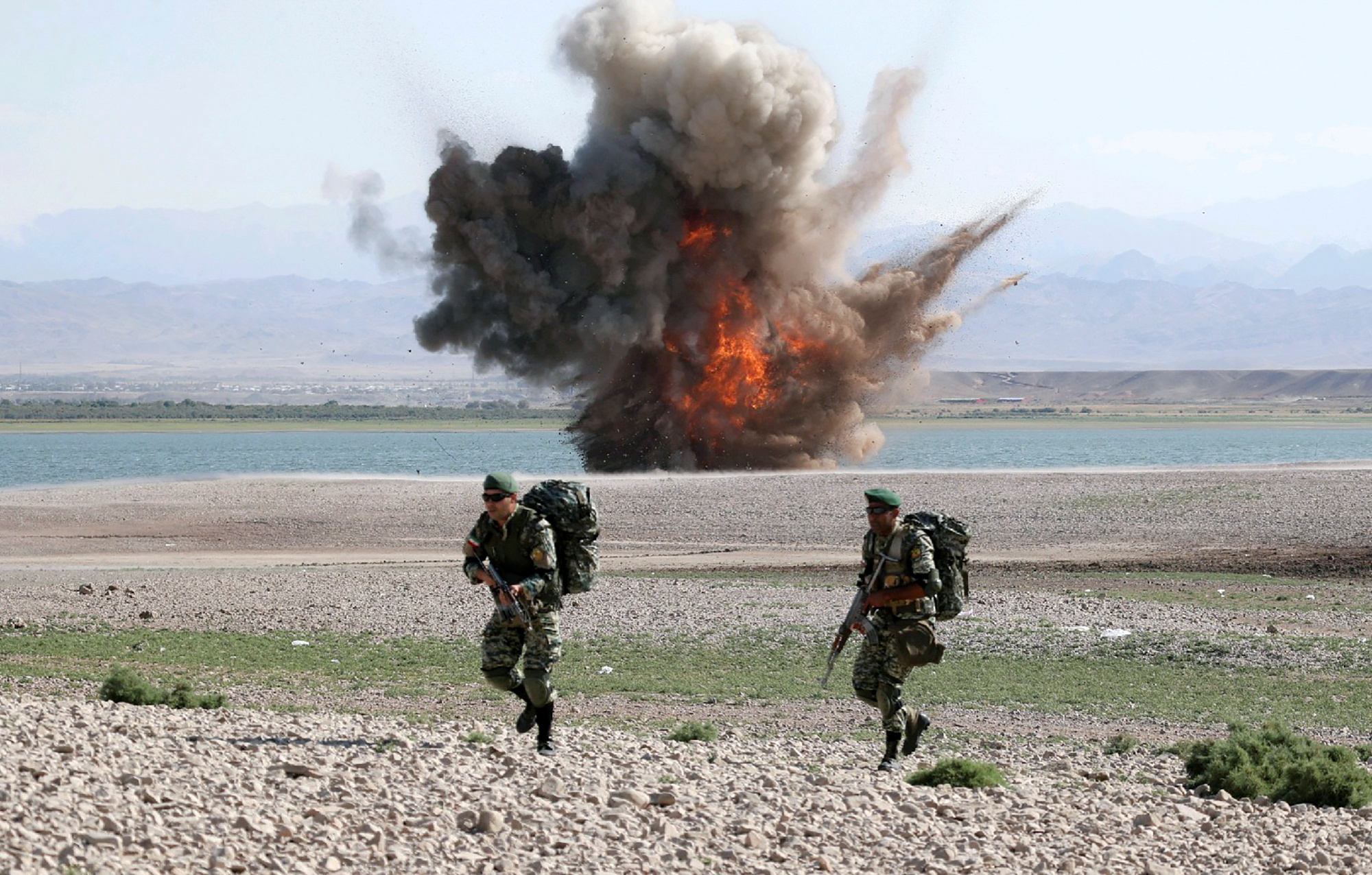
Iran has responded to the U.S. buildup with its own military drills and airspace restrictions near the strategic Strait of Hormuz, a critical global shipping route. Iranian officials have warned that any U.S. attack would provoke a swift and comprehensive response, signaling that Tehran views even limited strikes as potentially catastrophic.
Regional and Diplomatic Implications
Key Gulf allies, including Saudi Arabia and the United Arab Emirates, have publicly stated they will not allow U.S. forces to launch attacks from their territories. This complicates potential operational plans and underscores broader regional concerns about escalation. Commercial airlines have also rerouted flights across parts of the Middle East due to the military activity and heightened tensions.
Could It Escalate Into War?
Military exercises are a routine part of readiness, but experts note that the combination of large-scale drills, force buildup, and fiery rhetoric can increase the risk of misinterpretation or accidental clashes. Even routine maneuvers can spark unintended escalation in a tense environment.
While U.S. officials maintain that the exercise is intended purely for deterrence and reassurance, the precarious situation means the potential for conflict cannot be entirely ruled out. Both Washington and Tehran are on high alert, and in such a volatile region, the line between deterrence and provocation can be dangerously thin.