Cultural Echoes: Traditions That Span Across Europe- Europe is a mosaic of languages, landscapes, and histories, yet across this diverse continent, certain cultural traditions resonate from one country to another. From seasonal festivals and culinary rituals to music, dance, and craft techniques, these shared traditions reveal deep historical connections and a sense of continuity that stretches across borders. Exploring these cultural echoes offers travelers a way to experience Europe not just as individual countries, but as a living tapestry of interconnected heritage.
1. Carnival Celebrations – From Venice to Binche
Carnival is one of Europe’s most vivid and enduring traditions, celebrated in towns large and small. While Venice, Italy is famous for its elaborate masks and gondola parades, lesser-known celebrations like Binche, Belgium, also offer unique, centuries-old experiences.
In both countries, communities gather to dress in intricate costumes, perform traditional dances, and engage in playful festivities before Lent. Despite regional differences in style and performance, the essence of Carnival—a communal celebration of color, music, and ritual—is a shared cultural thread across Europe.
2. Harvest Festivals – A Shared Gratitude
Across Europe, harvest festivals celebrate the bounty of the land. In Germany, Oktoberfest in Bavaria originated as a celebration of the harvest and has grown into a global cultural symbol. In Poland, Dożynki ceremonies mark the end of the harvest with processions, folk music, and symbolic wreaths made of grain.
Even in smaller villages in France or Hungary, local harvest fairs bring communities together to honor agricultural traditions. These celebrations, though varying in customs and cuisine, reflect a shared European respect for the land and the cycles of nature.
3. Folk Music and Dance – From the Highlands to the Balkans
Europe’s folk music traditions, while diverse, often share melodic patterns, instruments, and dance styles. Scottish ceilidhs, with lively reels and jigs, mirror the energetic dances found in the Balkan regions of Romania, Serbia, and Bulgaria.
Traditional instruments like fiddles, bagpipes, and drums echo across borders, connecting communities through rhythm and song. Visiting local festivals or folk gatherings allows travelers to experience these traditions firsthand, witnessing how music and dance serve as cultural glue in different regions of Europe.
4. Artisan Crafts – Weaving a Continental Legacy
Many European traditions of craftsmanship span multiple countries. For example, lace-making can be traced from Belgium and France to Spain, while ceramic techniques appear in Italy, Portugal, and the Netherlands. Similarly, woodworking, embroidery, and glassblowing are skills preserved in village communities across Europe.
These crafts are not just functional—they carry stories, symbols, and aesthetics that reflect regional identities. Learning about them in workshops or markets highlights a shared commitment to artistry, precision, and cultural continuity.
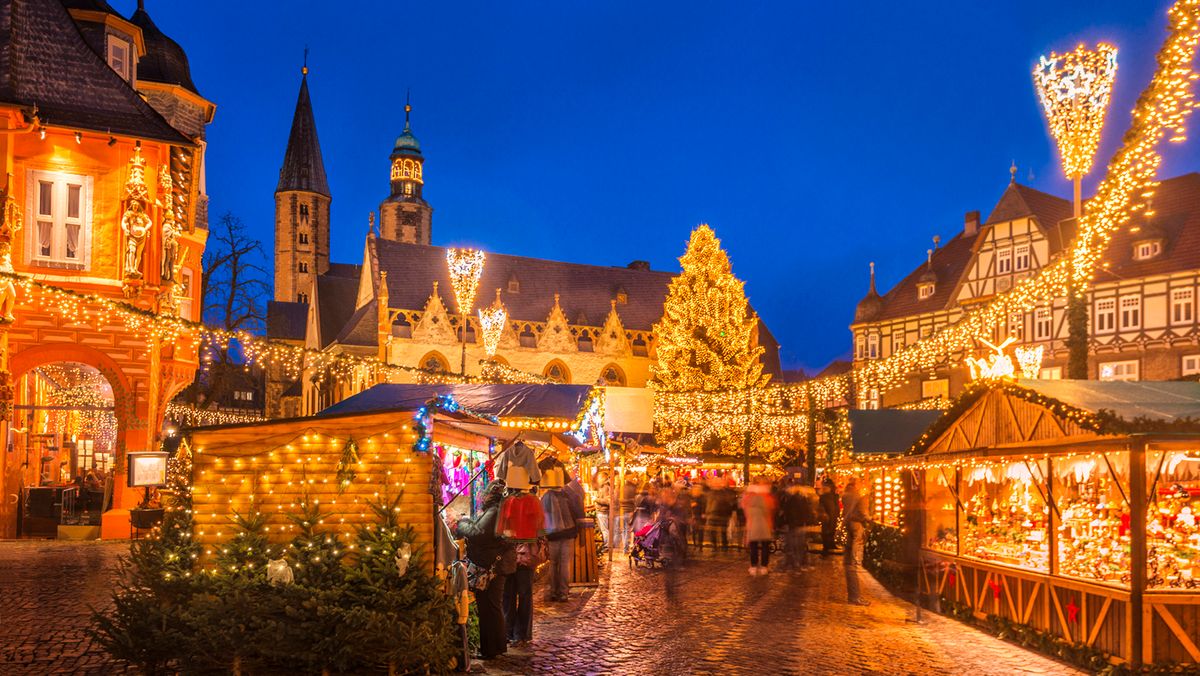
5. Christmas Markets – Light Across Borders
Europe’s Christmas markets are a quintessential cultural tradition that unites the continent in festive spirit. From Nuremberg in Germany to Vienna in Austria, and even smaller towns in Switzerland and the Czech Republic, markets feature handcrafted ornaments, mulled wine, and local treats.
While each region adds its unique flair—whether it’s Austrian cookies, Czech pastries, or German wooden toys—the underlying tradition of communal celebration, seasonal reflection, and artisanal craft is a shared European experience that transcends borders.
6. Pilgrimages and Religious Routes – Paths of Devotion
Religious and spiritual journeys have long shaped European culture. The Camino de Santiago in Spain, Italy’s Assisi pilgrimage routes, and Poland’s Jasna Góra in Częstochowa attract travelers seeking spiritual reflection, historical insight, or cultural immersion.
These pilgrimages, though differing in scale and style, all involve community participation, storytelling, and rituals passed down over centuries. They represent a continent-wide tradition of journeys—physical and spiritual—that bind people to shared histories and values.
7. Wine and Culinary Traditions – A Feast Across Borders
Europeans share a deep connection to food and wine, with traditions reflecting local ingredients but similar cultural rituals. French vineyards and Italian agriturismos often celebrate harvests with feasts, while Spanish tapas culture and Portuguese petiscos embody communal dining.
Even cheese-making traditions in Switzerland, the Netherlands, or Greece carry regional flavors yet share methods and social significance. Across Europe, these culinary practices emphasize hospitality, seasonal awareness, and community—values that resonate universally.
8. May Day and Spring Festivals – Welcoming Renewal
Spring festivals are another shared cultural thread. In Sweden, Midsummer celebrations feature maypoles, floral wreaths, and traditional dances, while in Germany and Austria, May Day festivals mark the arrival of warmer weather with folk dances and floral decorations.
Even smaller villages in France, Italy, and Poland celebrate spring with local rituals tied to fertility, agriculture, or communal merrymaking. These festivals highlight a shared human connection to the seasons, nature, and renewal, expressed in regionally distinctive but conceptually similar ways.
In Summary
Europe’s cultural echoes reveal a fascinating network of shared traditions, demonstrating that the continent’s diversity is built upon centuries of interconnected histories and practices. Carnival parades, harvest festivals, folk music, artisan crafts, Christmas markets, pilgrimages, culinary traditions, and spring rituals all resonate across borders, linking communities in ways both subtle and profound.
Exploring these traditions offers travelers more than sightseeing—it’s a chance to participate in living culture, to understand the stories behind songs, dances, crafts, and celebrations, and to witness how Europe’s past continues to shape its present. By venturing beyond the famous landmarks, travelers can uncover these shared cultural threads, experiencing Europe as a vibrant, interconnected tapestry of traditions that span centuries and nations.
Smart Kitchen Cooking & IoT Food Tech: The Future of Home Meals | Maya