Do U.S. States Share Common Historical and Cultural Roots? When we think about the United States, it’s easy to imagine each state as entirely unique—New York with its towering skyline, Louisiana with its jazz-filled streets, and Arizona with its desert landscapes. But beneath these surface differences, many U.S. states actually share surprising historical and cultural roots. From colonial beginnings and migration patterns to shared traditions and culinary influences, exploring these connections reveals a richer, more interconnected American story.
Colonial Legacies Across the East Coast
Many Eastern states share roots dating back to European colonization. Massachusetts, Virginia, and Pennsylvania, for example, were early centers of settlement by English, Dutch, and Swedish immigrants.
-
Massachusetts was shaped by Puritan settlers, influencing education, religion, and local governance.
-
Virginia, a hub for English plantations, became a center for political and agricultural development.
-
Pennsylvania blended Quaker, German, and Dutch traditions, promoting tolerance and craftsmanship.
Despite regional differences, these states collectively influenced early American political systems, architecture, and social norms. Today, historic towns like Williamsburg, Salem, and Philadelphia showcase shared colonial heritage that crosses state lines.
Culinary Connections Across Regions
Food is another lens through which historical and cultural connections emerge. The South, for instance, is often associated with soul food and Cajun cuisine, but many of these dishes share roots with other regions.
-
Louisiana and Texas both reflect French, Spanish, and African culinary traditions, evident in gumbo, jambalaya, and spicy barbecue styles.
-
Pennsylvania and Maryland carry German and Dutch influences in baked goods, sausages, and traditional holiday meals.
These culinary links reveal centuries of migration, trade, and cultural exchange, demonstrating that even seemingly local dishes often have a broader American story behind them.
Musical Threads That Span States
Music is another cultural connector. Jazz, blues, country, and folk music didn’t develop in isolation—they evolved through regional interactions.
-
Tennessee’s Nashville and Memphis shaped country, rock ’n’ roll, and blues, but musicians frequently migrated to New York and Chicago, influencing the jazz and swing movements.
-
Louisiana’s Creole and Cajun sounds spread along the Gulf Coast, leaving traces in Alabama, Mississippi, and Texas music traditions.
These musical roots highlight how culture flows across borders, with regional innovations inspiring national trends.
Festivals and Shared Traditions
Many U.S. states celebrate traditions that trace back to shared European, African, or indigenous roots.
-
Harvest festivals and May Day celebrations in the Midwest reflect German and Scandinavian heritage found in Minnesota, Wisconsin, and North Dakota.
-
Mardi Gras traditions in Louisiana have parallels in smaller celebrations in Mississippi and Alabama, emphasizing communal festivities, music, and costumes.
-
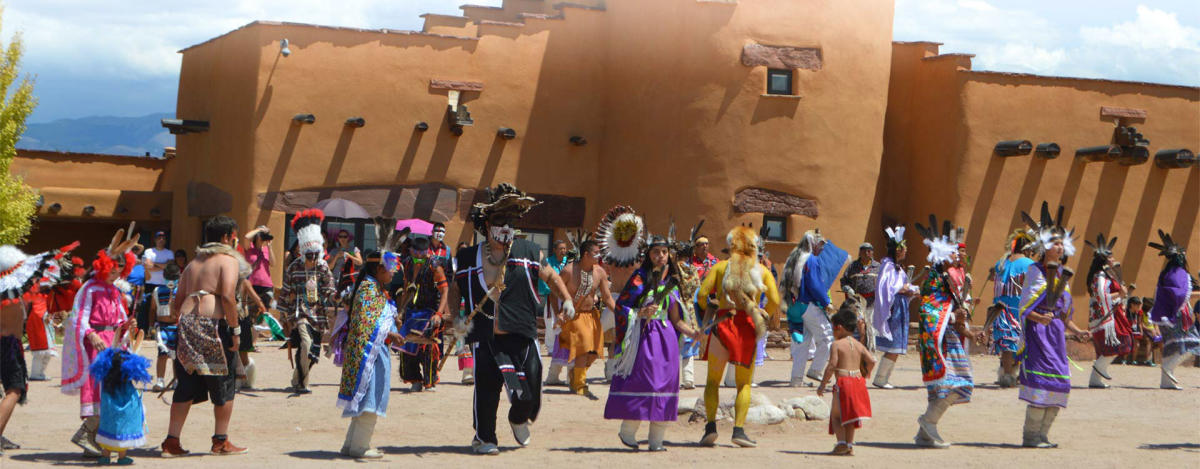
Indigenous powwows across New Mexico, Arizona, and the Dakotas demonstrate shared ceremonial practices among Native American tribes that predate colonial borders.
Despite regional variations, these traditions illustrate a continuity of cultural values and practices across multiple states.
Migration Patterns and Cultural Blending
Internal migration has further connected states historically and culturally. The Great Migration of African Americans from the South to northern cities in the 20th century, for example, spread southern music, cuisine, and religious practices across Illinois, Michigan, and New York.
Similarly, Scandinavian immigrants brought their traditions from the Midwest to other regions, influencing festivals, architecture, and food in Minnesota, Wisconsin, and Washington State. Migration created layers of shared experience, blending local and immigrant cultures into a broader American tapestry.
Architectural and Artistic Echoes
Shared historical influences are also evident in architecture and public art.
-
Colonial and Federal styles dominate New England and Mid-Atlantic states, reflecting early European settlement patterns.
-
Adobe structures in New Mexico and Arizona reflect Spanish and indigenous traditions, connecting these states through design and cultural symbolism.
-
Public murals, folk art, and craft fairs in the Midwest reveal Scandinavian and German roots that influenced multiple neighboring states.
These visual and structural echoes demonstrate that even architecture can serve as a map of shared historical and cultural connections.
Final Thoughts
Yes—U.S. states do share common historical and cultural roots, even if each maintains its own distinctive identity. From colonial foundations and migration patterns to music, festivals, cuisine, and architecture, these connections weave a rich and complex cultural fabric. Exploring them allows travelers, students, and history enthusiasts to see America as more than a collection of individual states; it’s a living network of intertwined traditions and shared experiences.
Understanding these connections also highlights the resilience and adaptability of communities, showing how different regions contribute to a collective cultural heritage that continues to evolve. Whether it’s through food, music, festivals, or architecture, the U.S. reveals itself as a nation built on both diversity and shared roots—an ever-changing story that connects states in surprising ways.
Where the Equator Meets Africa: 7 Countries You Need to Know About Before Everyone Else Does | Maya