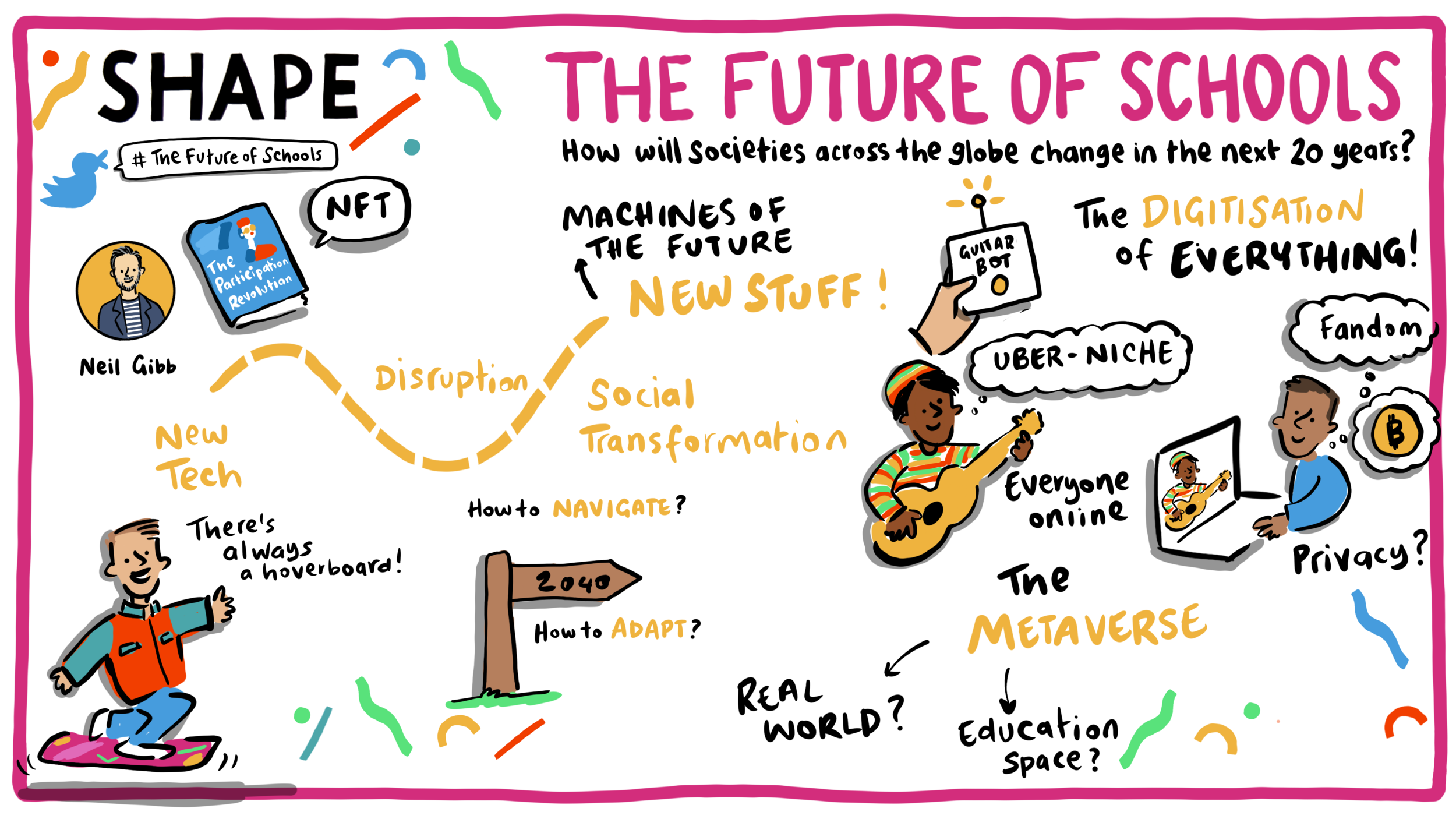
Education Facts That Will Transform Schools Soon- The world of education is undergoing one of the fastest transformations in history. Classrooms that looked familiar just a decade ago are starting to feel out of step with how young learners actually interact with technology, information, and skills today. From the rise of online learning to the digital habits students carry into school each day, education is shifting — yet traditional systems are not always keeping pace. What students embrace intuitively and what schools formally adopt are increasingly diverging, and by 2030, that gap will begin to reshape not just how schooling works, but how it is defined.
Students Live in a Digital Learning World
Walk into most student homes today and you’ll see learning happening far beyond textbooks and chalkboards. Millions of learners participate in online courses, watch educational videos, and use interactive apps to explore topics at their own pace. Globally, online learning platforms are projected to reach a value in the hundreds of billions of dollars by 2030. The ease of access and flexibility that online learning offers has encouraged broad adoption: students consistently choose digital formats for the freedom they provide to balance school with other interests, work, or family life. More than half of schools worldwide are planning to offer online or hybrid models to reflect these preferences by around 2030.
Yet there’s an ironic twist: many individual schools still rely heavily on traditional classroom rhythms, even as students spend significant time outside school learning online. Surveys show that a large share of learners now prefer online or blended learning experiences that adapt to their schedules and learning styles — something the typical school day rarely accommodates.
EdTech Isn’t Just a Buzzword — It’s Becoming Essential
The explosion of educational technology has been remarkable. In many districts, teachers have moved beyond basic slideshows and now use digital tools to create interactive, engaging learning experiences. By 2030, estimates suggest that 60% of teachers regularly employ digital tools, and schools are expanding infrastructure to support blended learning environments.
Students themselves often use multiple digital tools daily — not because they are told to, but because these technologies help them learn in ways that feel natural and meaningful. Game-based platforms, virtual collaboration spaces, and interactive simulations are familiar territory for many young learners, and they openly report that such tools help them grasp difficult concepts and stay motivated.
However, the professional preparation to integrate these tools effectively doesn’t always match the technology available. In many places, educators are keen to use new tools but express a need for more training on how to integrate them into meaningful classroom instruction. This disparity is a key challenge — students are ready for digital learning, but schools and teachers need stronger support to harness it fully.
Online Courses Are More Than a Pandemic Fad
The idea that online learning would shrink after pandemic closures has long been debunked. Even as in‑person schools reopened, virtual and remote education continued to grow. In some regions, enrollment in fully online schools has surged by more than tenfold over a decade, driven by students seeking flexibility or specialized coursework that local schools don’t offer.
This trend reflects a broader reality: students increasingly want choice in how they learn. Around the world, online courses fill up early — sometimes even before traditional classes — as learners gravitate to the flexibility of digital education. For many families, schedules that blend online and in‑person time fit better with modern lifestyles, especially where travel, extracurriculars, or health needs make rigid school hours difficult to sustain.
Yet far too many schools still treat online learning as an emergency measure rather than a core part of the educational ecosystem. Administrators may talk about digital innovation, but large gaps remain in strategic implementation, connectivity, and student access — especially in underfunded districts where infrastructure and training are limited.
Students Are Adopting Tools Schools Don’t Always Teach
Today’s students are experimenting with tools that traditional classrooms often overlook. They use artificial intelligence to draft essays, explore concepts via immersive apps, and seek tutoring or supplementary explanations from online platforms. These channels give students autonomy and personalize learning in ways that conventional curricula rarely do.
Media consumption habits also shape how students learn. Platforms like video sites and collaborative digital spaces are more than entertainment; they’ve become everyday references for research and learning. In some regions, students say they access online educational content even more frequently than they participate in school‑issued digital platforms.
But while young learners embrace these tools, many formal curricula have not yet adapted. Guidance on digital literacy, internet safety, ethical use of AI, and data privacy in school settings is still developing in most education systems. Schools are playing catch‑up, and without proactive integration of these digital fluencies into teaching, students can fall into a gap where they use powerful tools without understanding their risks or limitations.
Hybrid and Personalized Learning Is Becoming the New Norm
As students become more comfortable with technology, personalized learning approaches are gaining traction. Unlike traditional classrooms where all students follow the same pace, adaptive digital platforms tailor content to individual strengths, weaknesses, and interests. These systems often improve engagement and outcomes, which is why a large majority of educational leaders now see online and blended learning as equal or superior to traditional models.
Imagine a classroom where students move seamlessly between teacher‑led discussions, AI‑driven exercises that adjust difficulty in real time, and digital simulations that bring abstract concepts to life. This blended future — combining human mentorship with tailored digital support — is not far off. Yet many schools have not fully embraced this model, due to barriers like funding, professional development gaps, and outdated infrastructure.
Schools Must Evolve or Risk Losing Relevance
The transformation in student learning habits is clear: digital tools and online environments are where many students feel most empowered to explore, create, and excel. But traditional schools are often slow to adjust, constrained by standardized assessments, rigid schedules, and curricula designed decades ago. Without bold change, schools risk becoming less relevant to a generation that thinks and learns differently.
The path forward doesn’t mean abandoning classrooms or human teachers. Instead, the most promising vision for education blends the best of both worlds: the social and developmental richness of in‑person schooling with the flexibility, personalization, and breadth of online learning. It means training teachers not just to use technology, but to teach with purpose using digital tools. It means rethinking assessment to value deep understanding over rote memorization, and it means meeting students where they are — digitally, cognitively, and socially.
Conclusion
The next decade will not simply see incremental upgrades to classroom technology; it will witness a reimagining of what learning looks and feels like. Students are already embracing online learning, AI tools, and digital collaboration as part of their everyday educational experience. Schools that recognize this shift and act boldly to integrate flexibility, personalization, and digital fluency will be the ones that truly transform education by 2030 and beyond.
Sardar Patel: India’s Unifier and First Home Minister | Maya