Google Finally Solves Android’s Controller Remapping Problem
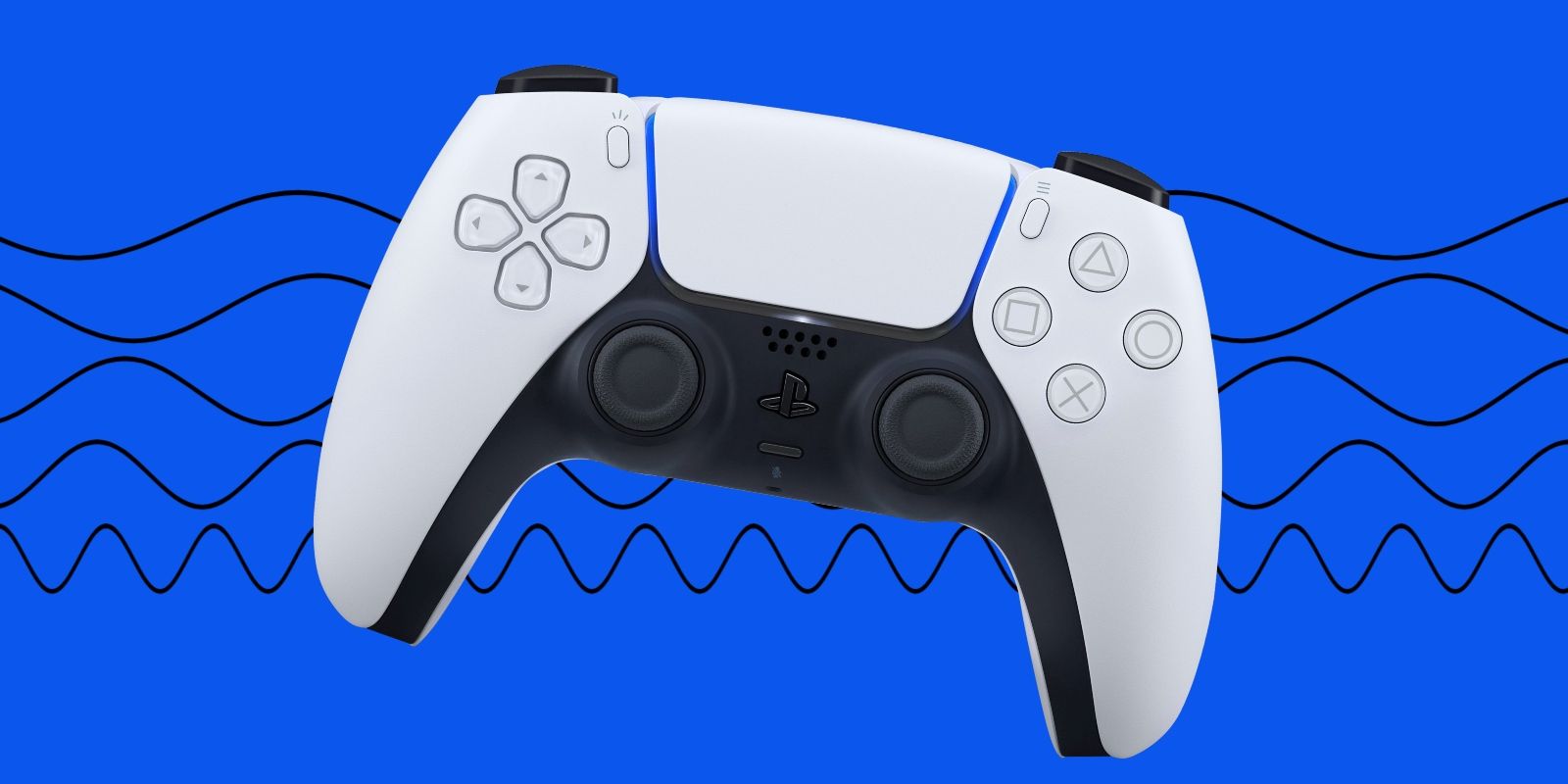
For years, Android has quietly supported external game controllers, making it possible to pair everything from budget Bluetooth pads to premium devices like the PS5 DualSense. On paper, this should have made Android a strong platform for controller-based gaming. In practice, however, one persistent issue has continued to hold the experience back: the lack of a reliable, system-wide controller remapping solution.
At the core of the problem is how Android has historically handled controller inputs. While the operating system can detect and communicate with a wide variety of controllers, it does not provide native tools for customizing how buttons behave. Instead, this responsibility has been pushed onto game developers and the engines they use. The result is a fragmented ecosystem where control schemes vary wildly from one game to another.
In some cases, developers go the extra mile, offering detailed settings that allow players to remap buttons, adjust sensitivity, and fine-tune their setup. But these experiences are the exception rather than the rule. Many games either provide limited customization options or none at all. This leaves players stuck with default layouts that may not align with their preferences—or worse, layouts that feel unintuitive or uncomfortable during extended gameplay sessions.
The issue becomes even more pronounced when using different types of controllers. Not all controllers follow the same button labeling or layout conventions. For instance, what feels natural on one device might feel completely off on another. Without a unified remapping system, players are often forced to mentally adapt to inconsistent controls, switching muscle memory every time they launch a new game.
Another major pain point has been accessibility. For gamers with specific needs—such as those who rely on customized control schemes for comfort or usability—the absence of system-level remapping has been particularly limiting. Third-party apps have attempted to fill this gap, but they often come with drawbacks, including compatibility issues, input lag, or the need for complex setup processes. In some cases, these workarounds don’t function across all games, further adding to the frustration.
There’s also the issue of developer overhead. Because Android doesn’t offer a built-in solution, developers must create their own remapping systems from scratch if they want to support customization. This not only increases development time but also leads to inconsistent implementation quality. Smaller developers, in particular, may lack the resources to build robust control customization features, which means their games end up offering a more limited experience.
With Android 17, Google is finally taking a decisive step to address these long-standing issues. The upcoming update is expected to introduce native controller remapping at the system level, allowing users to customize button inputs directly within Android itself. This marks a significant shift in how the platform approaches controller support.
By moving remapping into the operating system, Android aims to create a consistent, universal standard for controller customization. Instead of relying on individual games to implement their own solutions, players will be able to configure their controls once and have those preferences apply across multiple titles. This not only simplifies the user experience but also ensures greater reliability.
The benefits extend beyond convenience. A system-level solution can also improve accessibility, giving users more control over how they interact with games. It reduces the need for third-party tools and eliminates many of the technical barriers that have previously made customization difficult. For developers, it removes the burden of building remapping systems from scratch, allowing them to focus more on gameplay and design.
Details about this feature were highlighted by Mishaal Rahman, who shared insights into how the new functionality will work. While the full implementation is yet to be seen, the direction is clear: Google is aiming to make Android gaming more polished, predictable, and user-friendly.
Ultimately, the introduction of native controller remapping could be a turning point for Android gaming. What was once a fragmented and often frustrating experience may soon become far more cohesive. If executed well, this change won’t just fix a long-standing problem—it could significantly elevate Android’s position as a serious platform for controller-based gaming.
iPhone 17 Pro Max and Nutella Grab Attention During NASA’s Artemis II Mission | Maya