Greenland Crisis: Europe Signals Tough Response to U.S. Coercion -Europe has drawn a hard line against the United States in the latest transatlantic standoff over Greenland, signaling that coercion will not dictate international relations. The confrontation comes after President Donald Trump threatened a sweeping set of tariffs on European nations that oppose U.S. ambitions in the Arctic territory, sparking fears of a trade war between longtime allies.
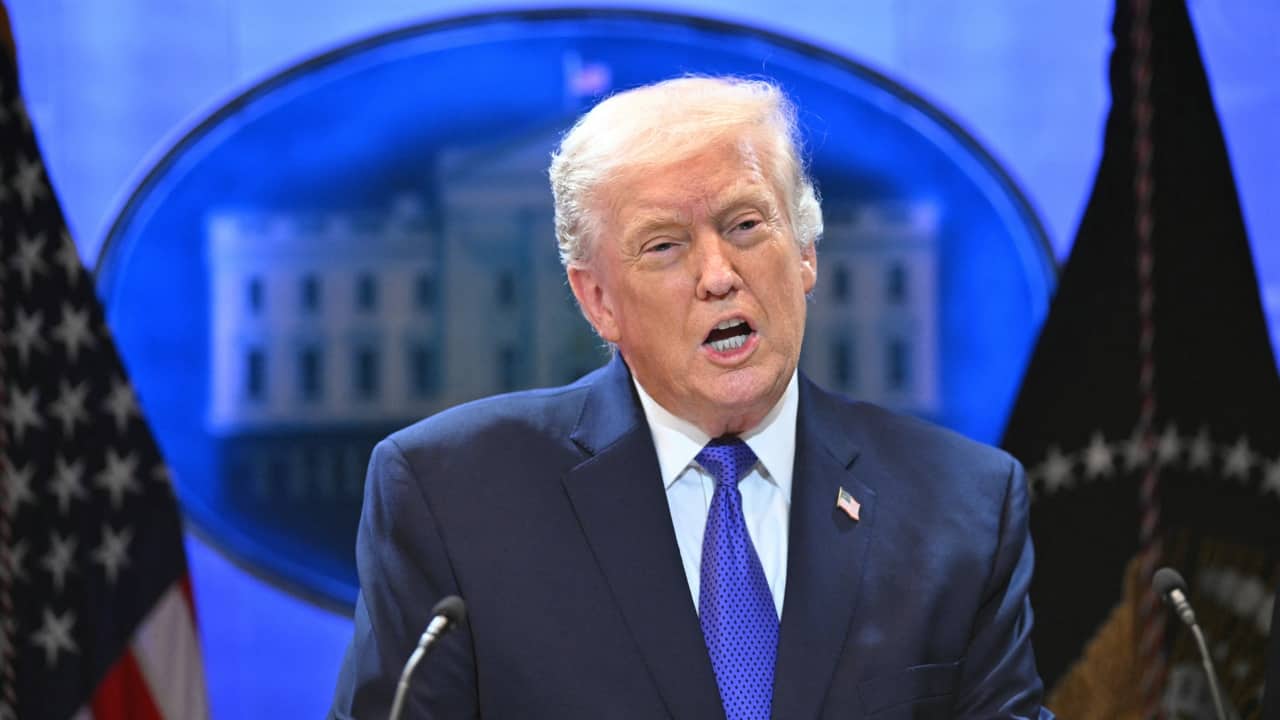
Trump’s move, targeting Denmark, Norway, Sweden, France, Germany, the Netherlands, Finland, and the United Kingdom, sent shockwaves through European capitals. The White House has linked the threat directly to Greenland, a semi-autonomous Danish territory, claiming that the tariffs are intended to pressure Europe into agreeing to U.S. control. While the announcement drew attention for its audacity, it was immediately condemned in Europe as unprecedented, aggressive, and damaging to decades of transatlantic cooperation.
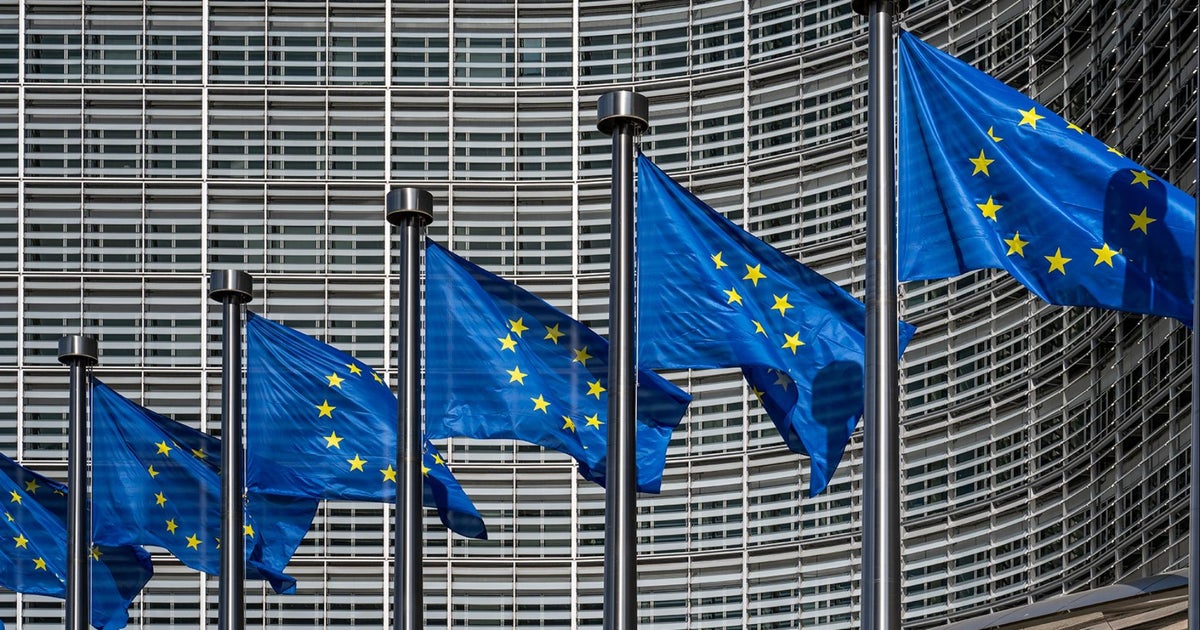
In response, European leaders moved quickly to present a united front. They reaffirmed their commitment to NATO and Arctic security, emphasizing that Greenland’s autonomy is non-negotiable. “Tariff threats undermine decades of cooperation and risk a dangerous downward spiral,” said a joint statement by the affected countries, highlighting the potential economic and strategic fallout if tensions escalate.
Norwegian Prime Minister Jonas Gahr Støre warned against letting the dispute spiral into a full-blown trade war. “We must act carefully to avoid a conflict that no one benefits from,” he said. Similarly, Irish Taoiseach Micheál Martin called Trump’s threats “extraordinary and unacceptable,” emphasizing that dialogue, not retaliation, should be the path forward. Both leaders stressed that while Europe is ready to defend its interests, diplomacy remains the priority.
The Greenland dispute is about more than just economics. The Arctic region holds vast natural resources and occupies a crucial strategic position, making it central to European security planning. Many European leaders view Trump’s approach as a direct challenge to the rules-based order and to the trust that binds NATO allies. Analysts warn that if the U.S. imposes tariffs, Europe is prepared to respond, potentially triggering a tit-for-tat cycle that could ripple through global trade and supply chains.
Greenland itself has weighed in, welcoming Europe’s firm stance and reiterating the territory’s right to self-governance. Officials in Nuuk praised European solidarity, signaling that the island is determined to resist any attempts to undermine its autonomy. Across Europe, public opinion is largely supportive of leaders standing up to what is widely seen as economic coercion.
NATO officials have also expressed concern, highlighting the importance of Arctic cooperation for regional stability. European members argue that maintaining unity is essential, and that unilateral U.S. action risks undermining both security arrangements and mutual trust among allies. European policymakers are clear: Greenland is not a bargaining chip.
Despite the escalating rhetoric, there are glimmers of diplomacy. European leaders have indicated they are willing to meet with U.S. officials to negotiate a solution that respects Greenland’s autonomy while addressing American strategic interests. Several visits to Washington are reportedly being scheduled to prevent the standoff from escalating further.
Observers note that the Greenland crisis demonstrates the high stakes of modern geopolitics, where attention-grabbing announcements can ripple across the globe in minutes. Trump’s statements have dominated headlines and social media feeds, while Europe has responded with a mixture of defiance and careful strategy, positioning itself as both firm and responsible.
The coming weeks could define the future of U.S.-Europe relations. Should tariffs be implemented, the consequences could be severe, potentially affecting billions of dollars in trade and straining decades-long alliances. Conversely, a negotiated settlement could reinforce transatlantic ties and show that even the most audacious disputes can be resolved through diplomacy.
For now, Europe’s message is clear: Greenland’s sovereignty is non-negotiable, and any attempt at coercion will be met with coordinated resistance. The standoff is more than a trade dispute—it is a test of alliances, strategy, and influence in one of the world’s most important regions. As the Greenland saga unfolds, the world watches to see whether diplomacy or confrontation will prevail.