

Gulf on High Alert: Iran’s Surprise Missile Attack on U.S. Installations
The Gulf region has been thrown into heightened tension after Iran launched a sudden barrage of missiles targeting U.S. military bases across multiple countries, including the United Arab Emirates, Qatar, Kuwait, and Bahrain. The strikes came in retaliation for earlier actions by the United States and Israel against Iranian positions, escalating an already volatile situation in the Middle East.
A sudden escalation
The missile attacks represent a sharp and unexpected escalation in the region. Iranian forces specifically targeted American and allied military assets, emphasizing that their aim was to retaliate against foreign military presence rather than civilians. The offensive demonstrates Tehran’s capability and willingness to project force beyond its borders in response to perceived threats.
U.S. bases in the crosshairs
Key installations reportedly targeted by the Iranian strikes include:
-
Al‑Dhafra Air Base near Abu Dhabi, a major U.S. Air Force hub.
-
Al‑Udeid Air Base in Qatar, one of the largest American military bases in the region.
-
Al‑Salem Air Base in Kuwait, a central logistics and operations center.
-
U.S. Fifth Fleet Headquarters in Bahrain, a key naval command facility.
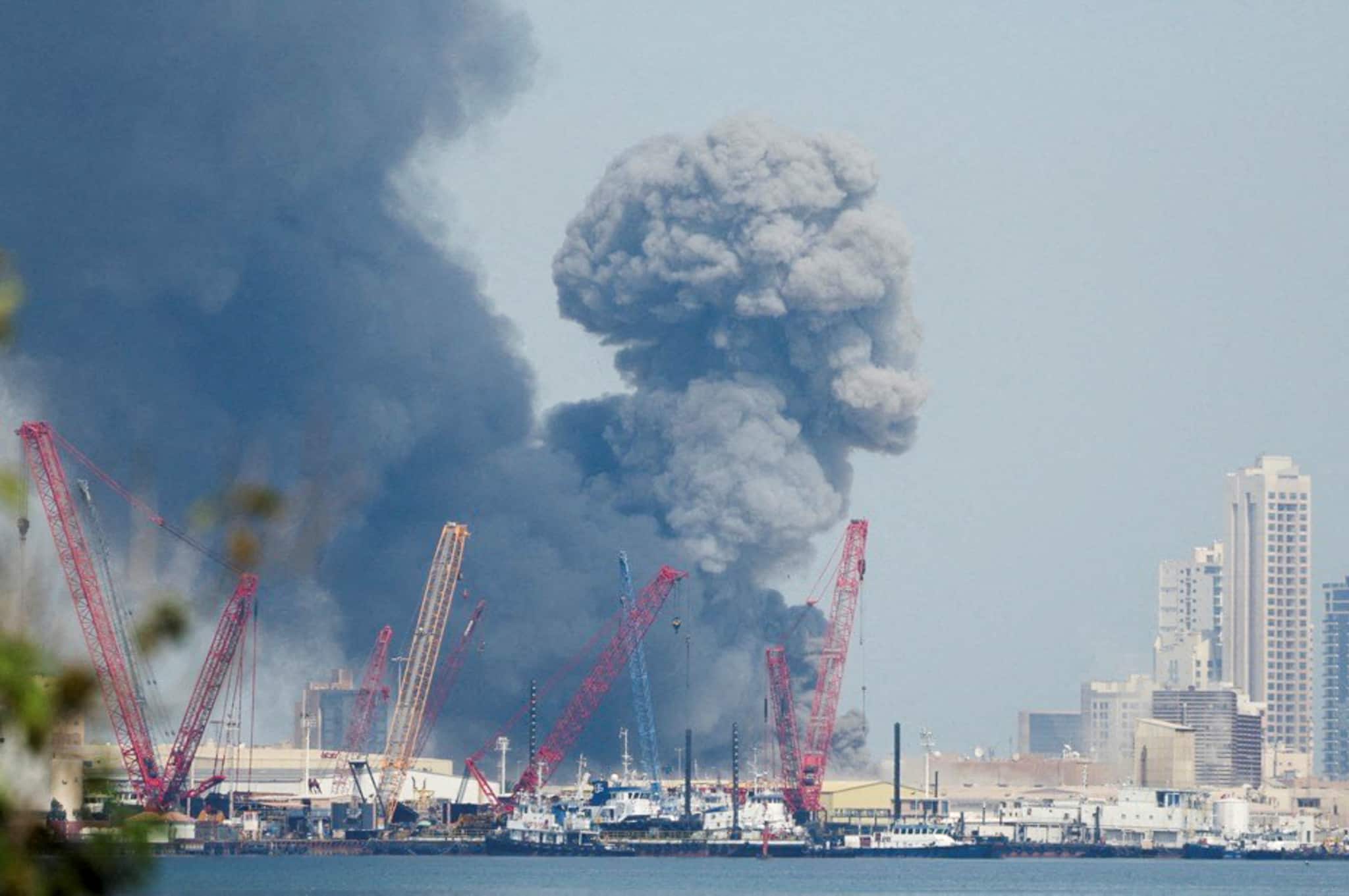
Regional air defense systems were quickly activated, intercepting many of the incoming missiles and preventing large-scale damage.
Casualties and indirect effects
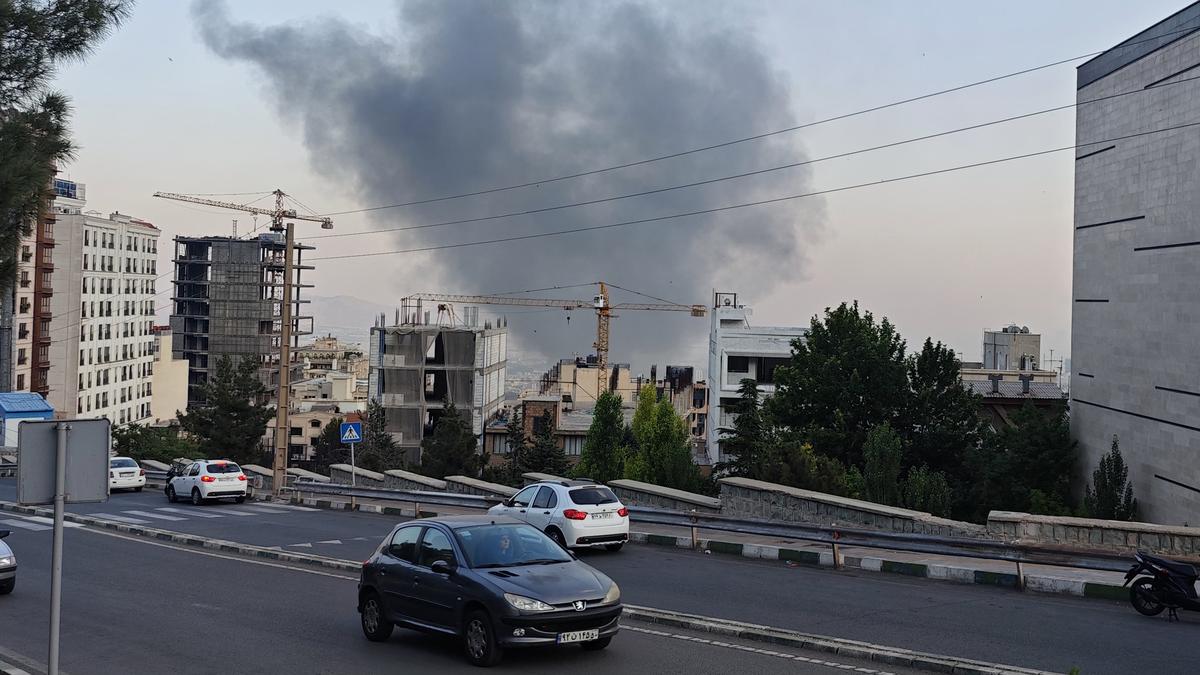
Although the missiles were aimed at military targets, debris from intercepted missiles caused some collateral impact in civilian areas. Reports from Abu Dhabi confirmed one civilian fatality due to falling fragments, highlighting the indirect risks of such attacks. Otherwise, the installations themselves reportedly sustained minimal damage thanks to defensive measures.
Precautionary measures
Following the strikes, authorities in the affected countries implemented temporary airspace closures as a safety precaution. Residents were urged to follow official instructions and remain in protective areas until the threat had passed. Air defense units remain on high alert to counter any potential follow-up strikes.
Regional and international response
Governments in the Gulf condemned the attacks as violations of their sovereignty and international law. The United Arab Emirates emphasized its right to defend its territory and citizens while urging de-escalation. Global attention has also focused on the security of strategic shipping lanes and energy infrastructure in the Gulf, given the potential broader economic consequences of prolonged regional tension.
The wider implications
While no civilians were directly targeted, the strikes underscore the unpredictability of military confrontations in the region. Analysts warn that even precision attacks on military facilities can create unintended consequences, including civilian casualties or disruptions to infrastructure.
The situation has also intensified concerns among investors and governments about regional stability. The presence of major U.S. military assets in the Gulf means that any continued escalation could have ripple effects on global energy markets and international security dynamics.
Looking ahead
With air defense systems on high alert and governments closely monitoring developments, the situation remains fluid. Military experts predict that additional retaliatory actions could occur, but diplomatic channels are also being explored to prevent a full-scale escalation.
For now, the focus is on protecting personnel, securing installations, and minimizing civilian risk while authorities assess the scope of the Iranian strikes. The Gulf remains tense, and further updates are expected as the situation evolves.
UAE Announces Precautionary Airspace Closure as Regional Unrest Escalates | Maya

