Hidden Oceans in the Outer Solar System: Life Below the Ice of Europa and Enceladus- Beneath the frozen surfaces of Jupiter’s moon Europa and Saturn’s moon Enceladus lie hidden oceans—vast, salty seas trapped under miles of ice. These alien waters may be some of the most promising places to look for extraterrestrial life in our solar system.
Exploration of these icy moons is no longer just science fiction. Missions planned for the 2030s could provide unprecedented insights into life beyond Earth, ocean dynamics, and the chemistry of alien worlds.
Why Europa and Enceladus Matter
Both moons are small, icy, and far from the Sun, yet they host liquid water—thanks to tidal heating.
-
Europa
-
Radius: ~1,560 km (slightly smaller than Earth’s Moon)
-
Ice shell: Estimated 10–30 km thick
-
Ocean depth: ~100 km, more than twice the volume of all Earth’s oceans
-
Potential hydrothermal activity on the ocean floor, where chemical energy could support life
-
-
Enceladus
-
Radius: ~252 km (much smaller than Europa)
-
Ice shell: ~20–25 km thick
-
Ocean: Global subsurface water, confirmed via plumes ejecting water vapor and ice into space
-
Organic molecules detected in the plumes by Cassini suggest prebiotic chemistry
-
In short, these moons combine liquid water, energy sources, and organic molecules—all ingredients for life as we know it.
How Scientists Know the Oceans Are There
1. Magnetic Field Measurements
Europa’s magnetic signature, observed by the Galileo spacecraft, suggests a conductive layer beneath the ice, consistent with salty liquid water.
2. Surface Features
-
Chaos terrain on Europa indicates melting and refreezing of ice.
-
Tiger stripes on Enceladus show active geysers ejecting water, ice, and organic compounds.
3. Gravity and Density Data
Measurements from flybys help infer the mass distribution and confirm global oceans under the icy crusts.
Q&A: Life Beneath the Ice
Q: Could there really be life there?
A: Possibly. The oceans may contain hydrothermal vents like on Earth, where life thrives without sunlight. Energy and nutrients could support microbial ecosystems.
Q: How deep are these oceans?
A: Europa’s ocean is estimated around 100 km deep, while Enceladus’ global ocean could be tens of kilometers thick under a 20 km ice shell.
Q: How can we study these oceans without drilling miles of ice?
A: Plume sampling (Enceladus) and ice-penetrating radar (Europa) allow indirect study. Future landers may melt through or use autonomous probes.
Q: What kind of life could exist?
A: Microbial life, extremophiles, or simple multicellular organisms. Life may rely on chemical energy instead of sunlight.
Missions to Explore the Hidden Oceans
Europa Clipper (NASA)
-
Launch: 2024
-
Arrival: 2030s
-
Goals: Map ice thickness, analyze surface composition, detect plumes, and study habitability.
JUICE (ESA – Jupiter Icy Moons Explorer)
-
Launch: 2023
-
Arrival: 2031
-
Goals: Study Ganymede, Europa, and Callisto; investigate subsurface oceans and magnetic fields.
Enceladus Oriented Concepts
-
Concepts include plume fly-through missions and orbiters to measure composition, density, and organics.
-
Future landers or submersibles could directly probe the ocean if technology allows.
Why Subsurface Oceans Are So Exciting
Hidden oceans could:
-
Host life independent of sunlight – Life could thrive using chemical energy, like Earth’s deep-sea vents.
-
Provide clues to early Earth conditions – Studying these oceans helps understand how life may have arisen on Earth.
-
Guide future exploration – Understanding ice dynamics and ocean chemistry informs landing and drilling strategies.
-
Expand the definition of habitable zones – Worlds outside the “classic” habitable zone can still support life internally.
Scenario: Visiting an Ocean Moon
Imagine a robotic probe descending through the icy crust of Europa:
-
It melts or drills through 20 km of ice.
-
Instruments analyze water chemistry and temperature gradients.
-
The probe encounters microbial mats or hydrothermal vent analogs.
-
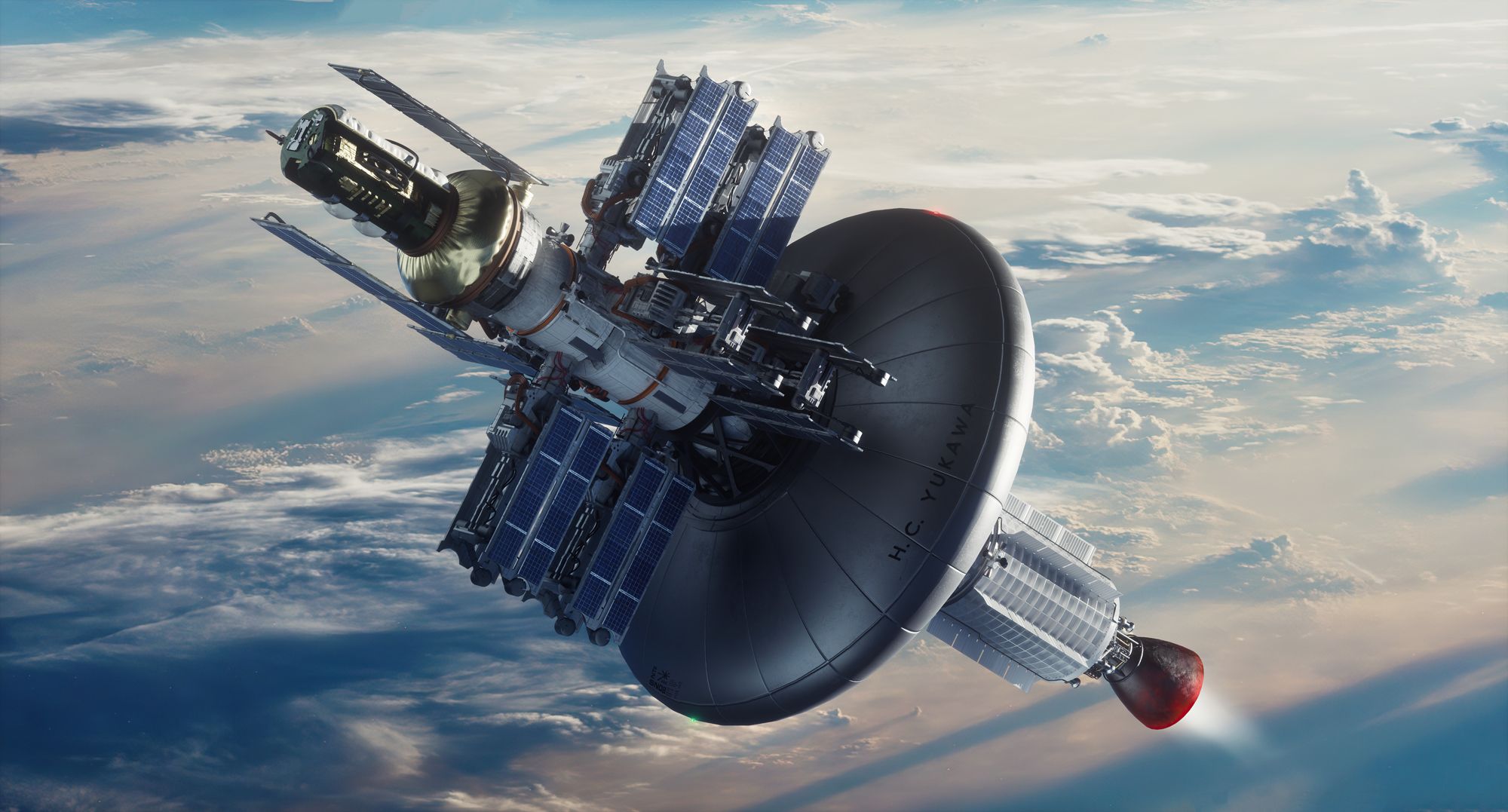
Data is sent back to Earth via relay satellites, revealing a living ocean alien to our world.
Meanwhile, over at Enceladus, a spacecraft samples water plumes ejected into space, detecting amino acids and organic molecules. Combined, these findings could rewrite the story of life in the solar system.
Challenges Ahead
-
Extreme cold – Surface temperatures reach -160°C on Europa and -200°C on Enceladus.
-
Thick ice layers – Penetrating kilometers of ice safely is technologically demanding.
-
Radiation – Europa’s surface is bathed in intense radiation from Jupiter’s magnetosphere.
-
Contamination – Ensuring Earth microbes don’t interfere with alien ecosystems is critical.
Despite these challenges, incremental exploration via orbiters, flybys, and plume sampling offers a feasible path forward.
Expert Insights
Dr. Sarah Howell, astrobiologist:
“Europa and Enceladus are our best chances to find life beyond Earth in the solar system. The combination of liquid water, energy, and organics is tantalizing. Even if we find microbes, it would be revolutionary.”
Dr. Miguel Alvarez, planetary geologist:
“Studying subsurface oceans informs us not only about alien life potential but also about ice dynamics, planetary formation, and how water behaves under extreme pressures.”
Looking to 2030 and Beyond
By 2030, missions will:
-
Fly past Europa and Enceladus multiple times to map oceans and plumes.
-
Analyze chemical signatures for organics and prebiotic molecules.
-
Measure ice thickness and ocean depth with radar instruments.
By 2040, technology may allow subsurface probes to directly explore hidden oceans, marking humanity’s first venture into alien seas.
These discoveries could answer one of humanity’s oldest questions: Are we alone?
The Bottom Line
Europa and Enceladus remind us that habitable worlds may be hiding where we least expect them. Their oceans, trapped beneath ice for billions of years, could harbor life completely independent of sunlight.
Exploration of these hidden seas is not only about curiosity—it’s about understanding the potential ubiquity of life in the universe. The next decade will likely bring groundbreaking data, and perhaps even the first signs of life beyond Earth.
In the end, the oceans of the outer solar system may hold mirrors of our own origins—and clues to life across the cosmos.