Honor Set to Unveil First Humanoid Robot at MWC 2026
Chinese tech brand Honor is preparing to step beyond smartphones and into robotics, with plans to debut its first humanoid robot at Mobile World Congress 2026 in March.
The reveal, scheduled for the company’s Barcelona launch event, signals a strategic expansion into what’s known as “embodied AI” — artificial intelligence embedded in physical machines rather than confined to apps or cloud services.
From Handsets to Humanoids
Honor built its global reputation on competitively priced Android smartphones. But in recent years, the company has steadily repositioned itself as an AI-driven device maker, weaving machine learning features into its cameras, operating systems and foldable hardware.
Now it’s taking that vision further.
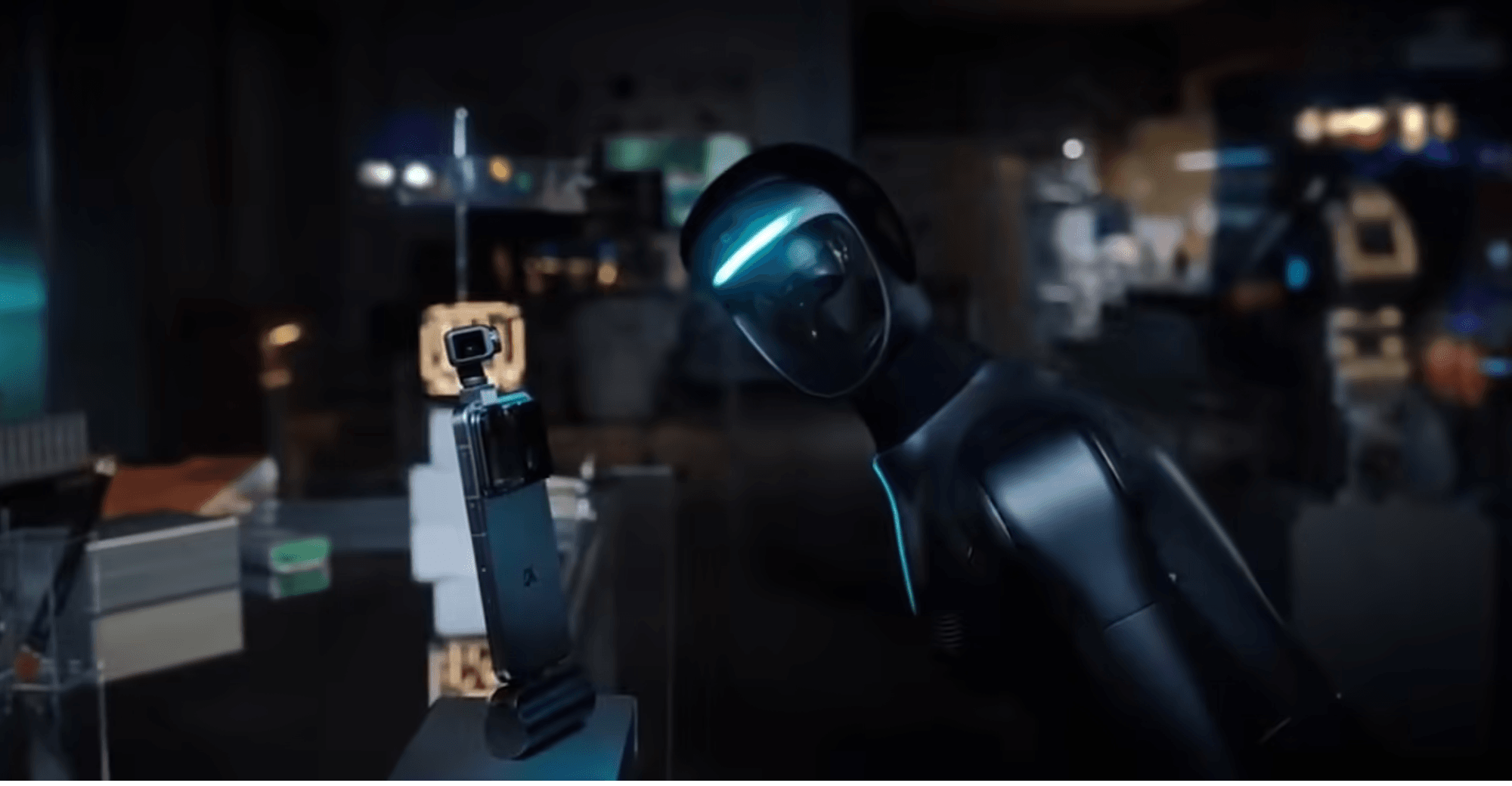
Teaser images suggest the humanoid robot will feature a head-mounted camera system and a glowing chest panel, potentially used for communication or system feedback. While Honor has not disclosed technical specifications or real-world applications, the design cues point toward a service-oriented machine — something built to interact with people and navigate human environments rather than perform heavy industrial labor.
The robot is expected to appear alongside other major product announcements, including the concept “Robot Phone” and the company’s latest foldable flagship, reinforcing the message that AI is becoming the connective tissue across its entire ecosystem.
The Alpha Plan and a $10 Billion Bet
Honor’s robotics ambitions trace back to its 2025 “Alpha Plan,” a sweeping artificial intelligence initiative backed by a reported $10 billion investment over five years.
The goal: expand beyond smartphones into a broader AI-powered ecosystem spanning hardware, software and next-generation computing platforms.
As part of that initiative, Honor collaborated with robotics firm Unitree Robotics, integrating its AI algorithms into a humanoid test platform. According to company disclosures, that partnership helped a prototype robot reach speeds of up to four meters per second — a notable benchmark in robotic mobility.
While speed records alone don’t define usefulness, the experiment signaled Honor’s early focus on applying AI not just to digital assistants, but to machines capable of moving and reacting in the physical world.
What the Robot Might Do
Details about the robot’s capabilities remain tightly guarded. However, industry observers expect Honor’s first humanoid platform to emphasize sensing, perception and interaction.
A head-mounted camera system could enable object recognition, spatial awareness and real-time scene analysis — similar to the AI-powered imaging features the company already deploys in its smartphones.
The illuminated chest strip seen in teasers could function as a status display or communication interface, helping users interpret what the machine is “thinking” or processing.
What remains unclear is whether the robot will be positioned as a consumer product, a developer platform, or a long-term research showcase. Fully capable humanoid assistants remain rare outside laboratory or controlled demo settings, and commercialization timelines for such machines are often uncertain.
A Growing Race Toward Embodied AI
Honor’s move reflects a broader shift within the tech industry. For years, AI development has centered on digital tools — chatbots, recommendation engines, voice assistants and generative content systems. Increasingly, companies are exploring how AI can extend into the physical world.
The concept of embodied AI suggests machines that can perceive, decide and act within real environments. Instead of simply answering queries, these systems might assist with household tasks, provide companionship, support elderly care or operate in logistics and retail settings.
Yet the field remains early-stage. Building robots that can safely and reliably function in unpredictable human environments is far more complex than deploying software in the cloud.
Honor’s announcement does not promise immediate mass-market availability. Rather, it positions the company as an early participant in what could become a defining frontier of the next tech decade.
More Than a Prototype?
Skeptics may view the MWC reveal as a high-profile concept designed to capture headlines. Trade shows are known for ambitious demonstrations that take years — if ever — to reach consumers.
But even as a prototype, the humanoid robot represents a symbolic shift for Honor. It underscores the company’s intent to evolve from a smartphone challenger brand into a broader AI hardware innovator.
By showcasing robotics alongside foldables and AI-enhanced phones, Honor appears to be building a narrative: its future products will not simply run AI software — they will embody it.
Whether that vision translates into practical, everyday robots remains to be seen. But when the humanoid steps onto the stage in Barcelona next March, it will mark a visible milestone in the gradual transition of artificial intelligence from invisible code to tangible presence.
The era of AI confined to screens is fading. The next phase may well walk, gesture and look back at us.
AMD, Meta Strike Multi-Year Deal to Power Next Wave of AI Infrastructure | Maya