
How Clothes Changed the World: The Story of Textiles Through Time- From hand‑woven cloth to a global textile powerhouse, the journey of textiles mirrors human civilization — and in 2025, it remains a key driver of culture, economy, and innovation worldwide.
The Early Threads: Craft, Culture and Civilization
Long before factories existed, cloth was crafted by hand. Ancient humans spun natural fibers — cotton, wool, flax, silk — into yarns, then wove or knitted them on simple looms. These early textiles were far more than utilitarian; they reflected identity, tradition, status, and artistry. Textiles enabled early trade, with luxurious fabrics like silk — first developed in China — becoming coveted items. As fabrics traveled across trade routes, cloth connected distant lands, exchanged ideas, styles, and played a role in shaping early global commerce.
The Industrial Revolution: From Cottage‑Looms to Factories
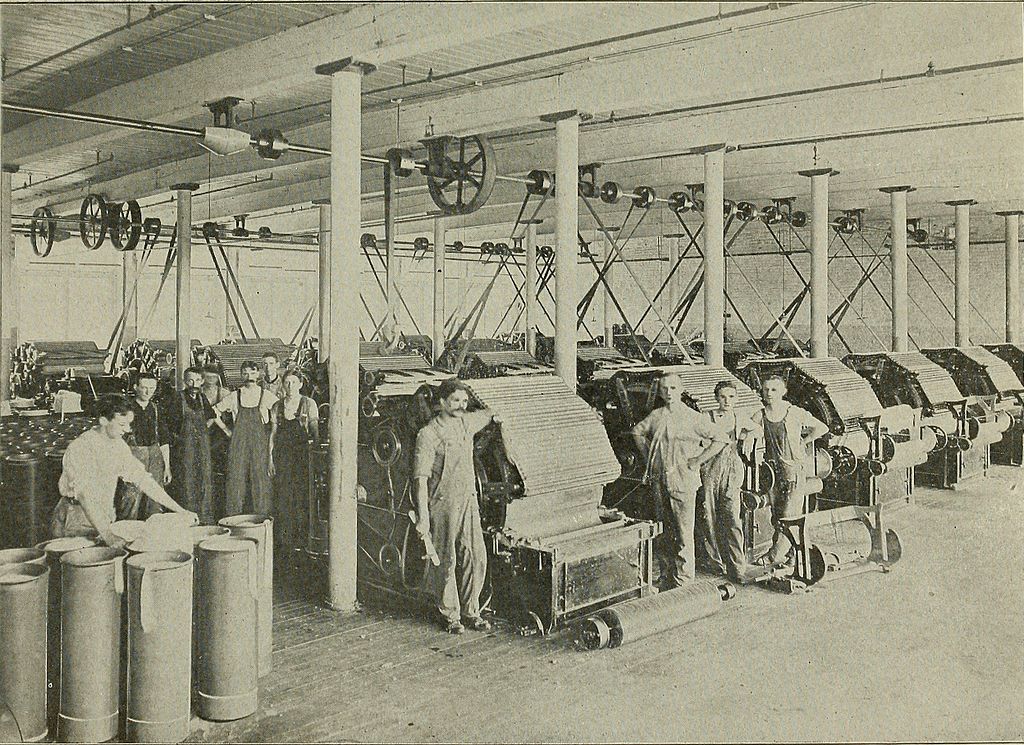
The shift from handcrafted textiles to industrial‑scale production in the 18th and 19th centuries transformed human society. Innovations such as mechanized spinning machines and power looms revolutionized cloth production. What was once a home‑based craft moved to large factories. This transformation reshaped where people lived and how they worked: urban centers grew, labour moved en masse, industrial hubs emerged, and textile production became emblematic of the broader Industrial Revolution itself.
This shift didn’t just alter manufacturing — it reshaped global trade and consumption. The explosive demand for raw materials, especially cotton, reshaped agriculture and trade networks, leading to demographic shifts and early globalization tied closely to textiles.
20th Century and Beyond: Synthetic Fibres, Mass Fashion & Global Supply Chains
The 20th century brought in synthetic fibers like nylon, polyester, acrylic — revolutionizing textiles. Clothes became cheaper, harder‑wearing, easier to produce and care for, and more accessible to a broader population. This democratization of clothing transformed textile from a luxury into an everyday necessity worldwide.
Production also moved geographically: countries with cheaper labour and access to raw materials, especially in Asia, became manufacturing hubs. As a result, textile supply chains globalized, reshaping economies and livelihoods across continents.
The Modern Industry (2025): A Global Giant with Big Numbers
As of 2025, the global textile market size is estimated at USD 2,123.72 billion. This reflects an industry of enormous scale — supplying clothing, home textiles, technical fabrics, and much more across the globe.
Focusing on one major player, India stands out. In 2025:
-
The domestic textile and apparel market in India is valued at USD 225 billion.
-
The industry directly employs over 45 million people, making it one of the country’s largest employers.
-
On the export front, garments and textiles remain a key export sector.
Beyond clothing, the industry is evolving into new areas: technical textiles — used in automotive, medical, industrial settings — is expanding rapidly. The blending of fashion, utility, and technology shows how dynamic and adaptive textiles have become.
Clothing and Culture: More Than Just Fabric
With rising production and accessibility, clothing has grown beyond functionality. Today, textiles represent culture, identity, economic status, and self‑expression. As more people across the world gained access to affordable clothing, garments became a medium of personal style, social mobility, and cultural exchange.
As cloth became universal, fashion trends, regional styles, cultural fusion, and individual identity gained prominence. What people wear today carries stories — of heritage, globalization, social change, and personal choices.
The Double‑Edged Fabric: Progress with Challenges
However, the scale and speed of textile production bring serious challenges. Synthetic fibers, while affordable and durable, often rely on fossil-fuel–derived materials, raising environmental concerns. The modern emphasis on “fast fashion” — cheap, trendy clothing produced en masse — fuels overconsumption, waste, and environmental stress.
Moreover, for countries heavily reliant on textile exports, there are economic and social responsibilities: ensuring fair labour practices, sustainable sourcing, and balancing growth with environmental and human welfare.
The Future of Textiles (from 2025 Onwards): Innovation, Responsibility, and Opportunity
As we move forward, the textile industry appears set for transformation again — driven by innovation, sustainability, and new global demands. On one hand: technical textiles, eco‑friendly fabrics, recycled/material‑efficient production, and sustainable sourcing are rising. On the other: smart fabrics, advanced manufacturing, and global supply‑chain diversification hint at a future where cloth isn’t just about covering bodies — but about performance, adaptability, and conscious design.
For India and other major textile nations, this moment is an opportunity: to modernize, upgrade technology, adopt sustainable practices, and shape textile as a 21st‑century force — not just in garments but in industry, health, infrastructure, and lifestyle.
Final Thoughts: More Than Fashion — The Fabric of Civilization
From hand‑spun threads to multi‑billion‑dollar global markets, the history of textiles reflects humanity’s progress, aspirations, and challenges. Cloth isn’t just what we wear — it’s history, culture, economy, identity, and innovation.
In 2025, as the textile world stands at a crossroads of growth and responsibility, it’s clear: every garment we don is a result of thousands of years of human ingenuity and adaptation. The humble cloth continues to shape economies, societies, and our daily lives.
Whether for fashion, function, identity, or innovation — clothes changed the world, and in 2025, the fabric of civilization continues to evolve.
Diet Cherry Coke Returns: Coca-Cola Banks on Nostalgia to Fight Q3 Market Headwinds | Maya