How Did a Canadian Citizen Die Amid Iran’s Deadly Protests?
Iran is in the midst of some of the most intense unrest the country has seen in decades, and the latest reports have raised international alarm. Canadian officials recently confirmed that one of their citizens has died while in Iran, reportedly at the hands of the Iranian authorities. The announcement came from Canada’s Foreign Affairs Minister, Anita Anand, who expressed condolences to the family and emphasized the government’s deep concern over the escalating violence against protestors. While the precise circumstances surrounding the death remain unclear, this tragic event has brought a sharper international focus to Iran’s ongoing crisis.
The Surge of Protests
The unrest began in late December 2025 and has quickly grown into a nationwide movement. Initially sparked by economic grievances and dissatisfaction with government policies, the demonstrations have broadened to encompass widespread demands for political reform. From the bustling streets of Tehran to smaller towns across the country, Iranians have taken to the streets to voice frustration over issues ranging from corruption to restrictions on personal freedoms.
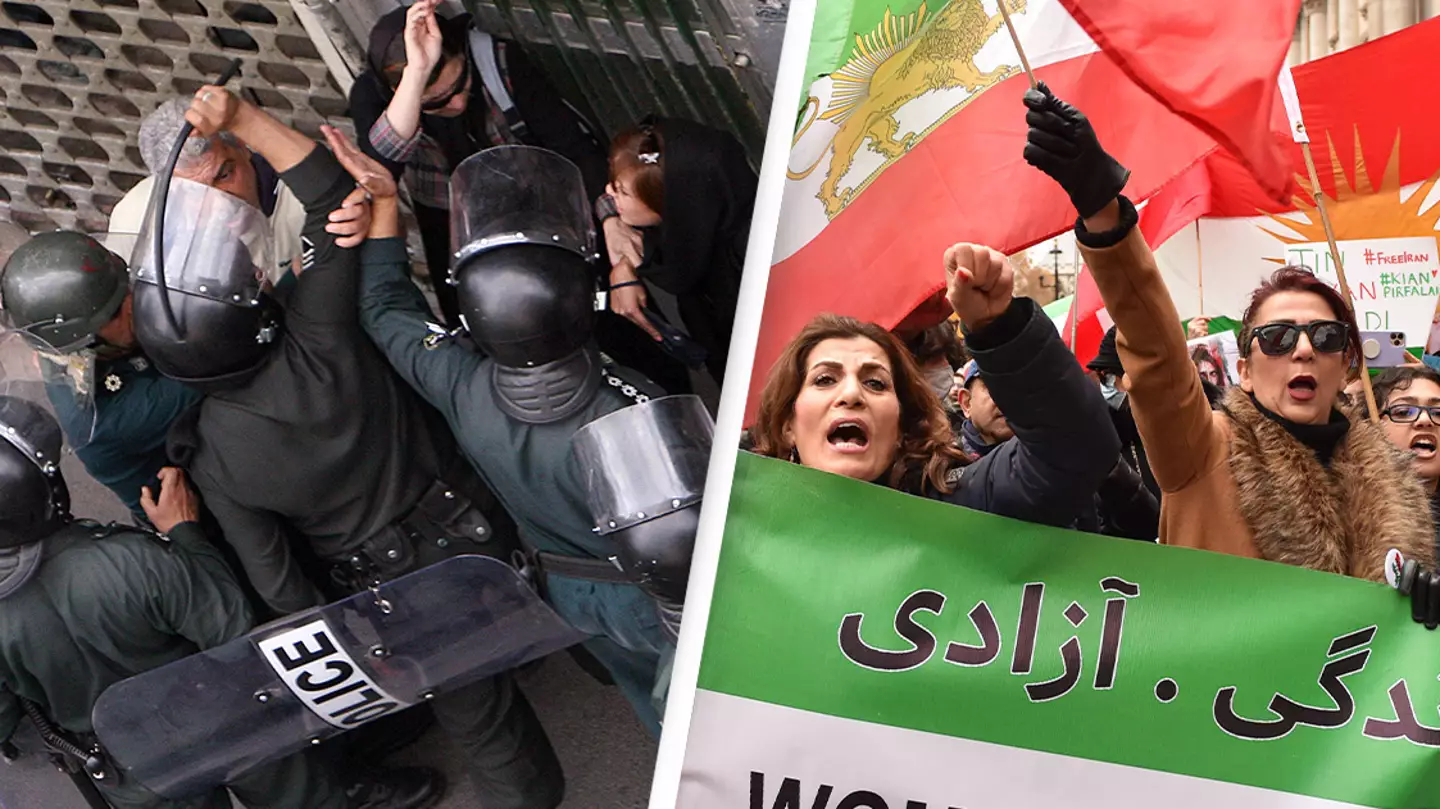
Authorities have responded with a severe and often lethal crackdown. Security forces have reportedly deployed live ammunition, tear gas, and other aggressive measures against demonstrators. Videos circulating from various cities show heavily armed security personnel confronting unarmed civilians, illustrating the intensity of the crackdown. Independent human rights monitors estimate that thousands have been killed, making this one of the deadliest periods of civil unrest in Iran in decades. Tens of thousands have also been detained, often in overcrowded and under-resourced facilities, creating additional humanitarian concerns.
The Canadian Victim
What sets this recent development apart is the involvement of a foreign national. Canadian officials have confirmed that a citizen died while in Iranian custody, though they have not released details about the individual’s identity, age, or the circumstances leading up to the death. Canadian authorities are reportedly in direct contact with the family, offering support during what has been described as an unimaginably difficult time.
The death of a Canadian citizen amid these protests highlights the increasingly dangerous environment in Iran. It underscores the risks faced not only by Iranians but also by foreigners caught up in the unrest. It also raises questions about the ability of governments to protect their citizens abroad in situations of extreme political turmoil.
The International Response
The international community has reacted with growing concern. Human rights organizations, foreign governments, and international institutions have condemned the use of excessive force against demonstrators. In response to the escalating crisis, some countries have urged Iran to exercise restraint and allow for peaceful protest. There are also calls for independent investigations into reports of fatalities, arbitrary detentions, and other abuses linked to the crackdown.
The death of a foreign national, in particular, has elevated the urgency of these calls. Governments around the world are closely monitoring the situation and reviewing options to ensure the safety of their citizens in Iran. The incident has also fueled broader discussions about sanctions, diplomatic pressure, and potential human rights interventions.
Human Cost of the Crackdown
The numbers coming from independent monitors paint a grim picture. Thousands of people have lost their lives, and the scale of the violence is reminiscent of some of Iran’s most turbulent historical periods. Children, non-protesting civilians, and government-affiliated individuals have also been among the casualties, illustrating that the unrest affects the entire population.
In addition to the immediate loss of life, the mass arrests and detentions have created a climate of fear, disrupted families, and left communities struggling to navigate the social and psychological consequences of the crisis. Internet restrictions and communication blackouts have further complicated efforts to assess the situation, making it difficult for the outside world to verify reports and for families to obtain information about loved ones.
Looking Ahead
As protests continue and the crackdown shows no sign of abating, the death of a Canadian citizen serves as a stark reminder of the stakes involved. It highlights the vulnerability of individuals in conflict zones and the broader implications for international relations and human rights advocacy.
The unfolding events in Iran reflect a larger struggle for rights, freedoms, and political reform. While the immediate focus is on preventing further loss of life, the broader implications will likely resonate for years to come, both for the people of Iran and for the international community tasked with upholding human rights.
The tragedy of a foreign citizen caught in the midst of this crisis underscores the profound human cost of political unrest and the urgent need for dialogue, restraint, and accountability in addressing the unrest.
Android 17 Could End Your Wi-Fi and Mobile Data Frustrations Forever | Maya