Iran Declares National Mourning After Khamenei’s Death in Joint Strikes
Tehran, March 1, 2026 — Iran has entered a sweeping period of national mourning following the death of Supreme Leader Ali Khamenei in coordinated military strikes attributed to the United States and Israel. The announcement, delivered by state television early Sunday, marks a pivotal and volatile moment for the Islamic Republic and the wider Middle East.
Authorities confirmed that Khamenei, 86, was killed during overnight strikes targeting strategic sites in and around Tehran. The government declared 40 days of national mourning, ordering flags lowered to half-staff and suspending public events across the country. Schools, universities and government offices in several provinces were closed as citizens gathered for prayers and remembrance ceremonies.
Public Grief Across Major Cities
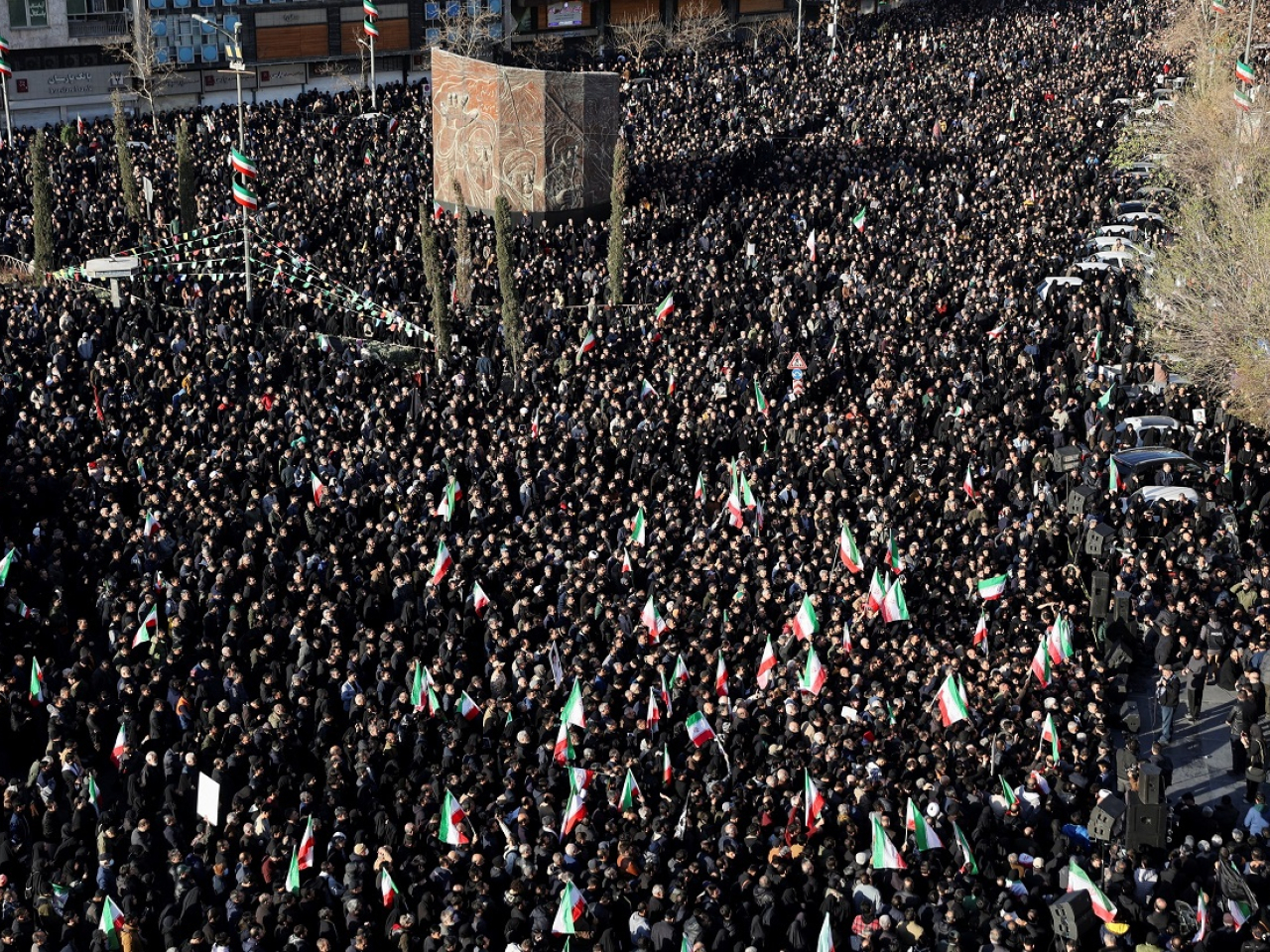
In Tehran, thousands filled central squares, many dressed in black and carrying portraits of the late leader. Similar scenes unfolded in Isfahan, Qom and Mashhad, where mourners assembled outside mosques and religious shrines. State media aired continuous Quran recitations and archival footage of Khamenei’s speeches, portraying him as a steadfast guardian of the انقلاب (Islamic Revolution) and a symbol of resistance against foreign pressure.
Security forces maintained a visible presence in key urban areas, citing concerns about possible unrest or retaliatory actions. While large crowds expressed sorrow and anger over what officials called an “act of aggression,” authorities urged unity and restraint, framing the moment as one of national solidarity rather than division.
A Defining Figure in Modern Iran
Khamenei had led Iran since 1989, succeeding Ayatollah Ruhollah Khomeini after the founder of the Islamic Republic’s death. Over nearly four decades, he consolidated authority over Iran’s political, military and religious institutions. As Supreme Leader, he served as commander-in-chief of the armed forces and held the final say on major state policies, from nuclear negotiations to regional alliances.
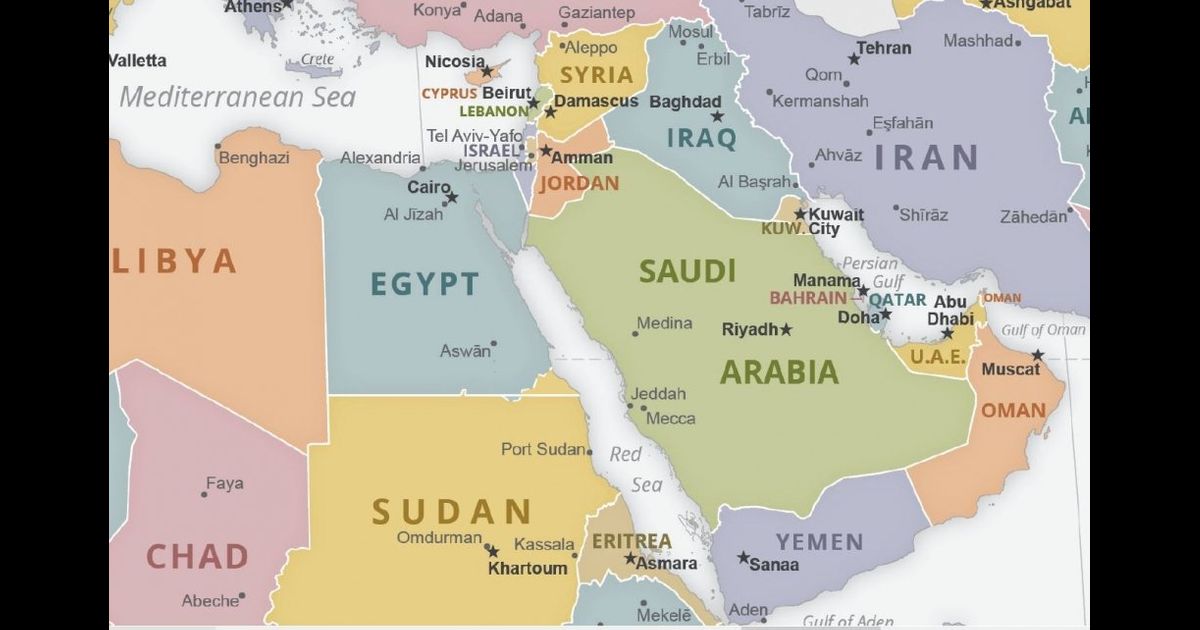
Under his leadership, Iran expanded its influence across Iraq, Syria, Lebanon and Yemen, while navigating waves of domestic unrest and international sanctions. His tenure was marked by a deep mistrust of Washington and persistent hostility toward Israel — positions that shaped Iran’s regional posture and global relations.
His death leaves an immense power vacuum at the apex of Iran’s political system.
IRGC Signals Retaliation
Shortly after the confirmation of his death, the powerful Islamic Revolutionary Guard Corps (IRGC) issued a sharply worded statement vowing “decisive and historic retaliation.” The IRGC described Khamenei as a martyr and warned that those responsible would face consequences “beyond imagination.”
While Iranian officials have not publicly detailed the scope of their response, regional analysts warn that retaliation could extend beyond Iran’s borders, potentially involving allied groups in neighboring countries. Military forces in the region have reportedly heightened their alert levels amid fears of further escalation.
The United States and Israel have not released full operational details, but officials in both countries characterized the strikes as aimed at strategic leadership and security targets. Neither side has publicly addressed what may come next, though diplomatic channels are reportedly active behind the scenes.
Succession Questions Loom
Iran’s constitution outlines a process for selecting a new Supreme Leader through the Assembly of Experts, a clerical body tasked with appointing and overseeing the position. However, the sudden nature of Khamenei’s death raises questions about how smoothly that transition will proceed.
Speculation has long surrounded potential successors, including senior clerics and figures with close ties to the security establishment. In the immediate term, attention is focused on maintaining stability within the government and preventing internal rivalries from surfacing during a period of heightened tension.
Political observers note that the IRGC’s influence in state affairs has grown significantly over the years, suggesting it may play a central role in shaping the transition.
Regional and Global Ripples
The shockwaves of Khamenei’s death are being felt well beyond Iran’s borders. Neighboring countries have expressed concern about the risk of broader conflict, while global markets reacted nervously to the possibility of disruptions in energy supply routes.
The Middle East was already grappling with overlapping crises, and the loss of one of its most influential leaders introduces a new layer of uncertainty. Diplomatic efforts aimed at containing the fallout are underway, though prospects for immediate de-escalation remain unclear.
A Nation at a Crossroads
For many Iranians, the moment is both deeply personal and profoundly political. Khamenei’s leadership shaped an entire generation, and his passing signals the end of an era defined by ideological steadfastness and geopolitical confrontation.
As mourning ceremonies continue over the coming weeks, Iran faces critical decisions about its leadership, its foreign policy direction and its response to what it views as a direct attack on its sovereignty.
Whether this moment leads to intensified conflict or a recalibration of power inside the Islamic Republic will determine not only Iran’s future but also the stability of a region already on edge.
Is Bitcoin Losing Its Safe-Haven Status Amid Geopolitical Tensions? | Maya