Iran Raises the Stakes: Control of Strait of Hormuz Becomes War-Ending Demand- As tensions continue between Iran, the United States, and Israel, Tehran has introduced a new and unexpected demand that could reshape the outcome of the conflict. Iran is now seeking recognition of its sovereignty over the Strait of Hormuz — one of the most strategically vital waterways in the world.
This demand marks a significant shift in the conflict. What started as a military confrontation is now evolving into a geopolitical negotiation centered on global energy flows, economic leverage, and maritime control. If accepted, the move could generate billions of dollars annually for Iran and fundamentally change the global energy landscape.
The World’s Most Important Energy Chokepoint
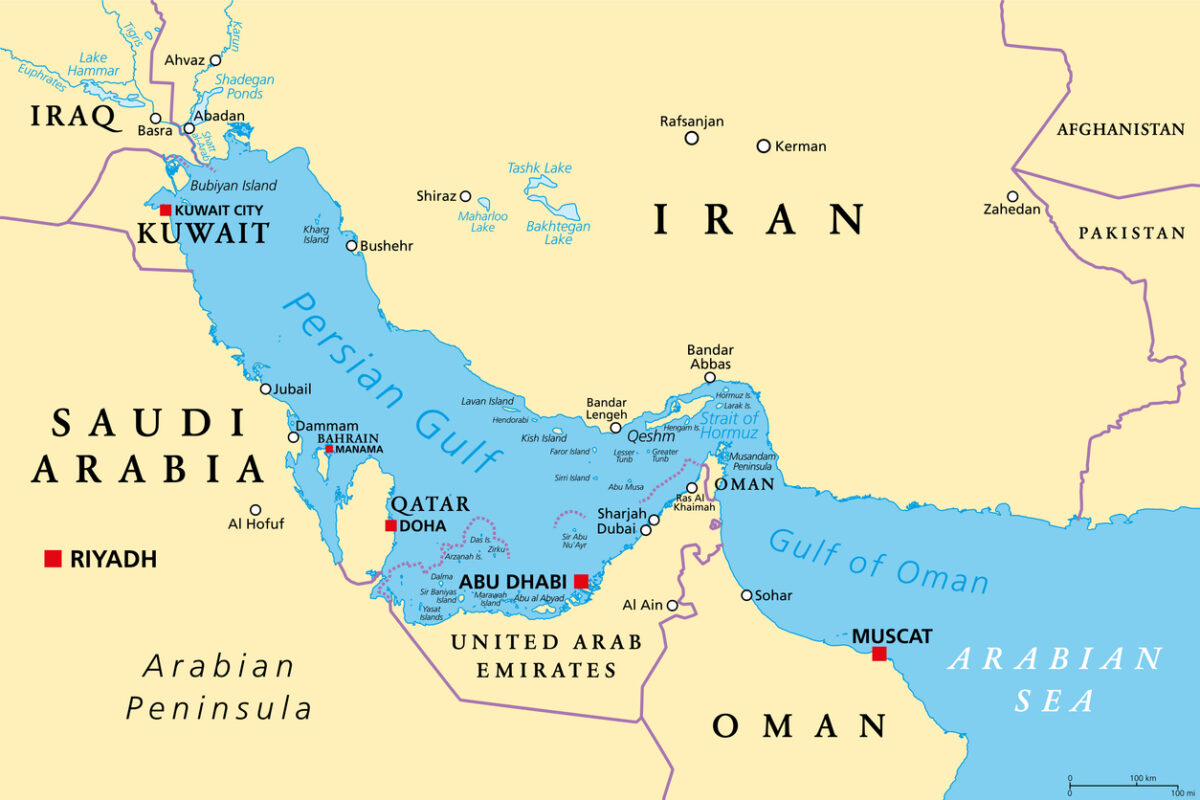
The Strait of Hormuz is a narrow passage connecting the Persian Gulf to the Arabian Sea. Despite its small size, it plays an outsized role in the global economy. Roughly one-fifth of the world’s oil and a significant portion of liquefied natural gas shipments pass through this route every day.
Major energy exporters such as Saudi Arabia, United Arab Emirates, Kuwait, and Qatar depend heavily on the Strait to transport their energy resources to global markets. Meanwhile, major economies like China, India, Japan, and South Korea rely on shipments passing through this narrow waterway.
Because of this dependency, even minor disruptions in the Strait can trigger sharp increases in oil prices, disrupt global supply chains, and create economic uncertainty worldwide.
Iran’s Strategic Realization
During the ongoing conflict, Iran demonstrated how powerful its geographic position can be. Without launching large-scale military operations, Tehran managed to influence global markets simply by threatening disruptions around the Strait of Hormuz.
Shipping companies, energy traders, and governments quickly reacted to the uncertainty. Oil prices fluctuated, insurance costs for tankers increased, and global markets showed signs of instability. This response revealed how sensitive the global economy is to developments in the Strait.
According to regional analysts, Iran appears to have recognized this leverage as one of its most effective strategic tools. Instead of relying solely on military confrontation, Tehran is now attempting to convert its geographic advantage into long-term economic and political gains.
A New War-Ending Condition
Iran has now added recognition of its sovereignty over the Strait of Hormuz to its list of demands to end the war. This marks a new phase in negotiations and significantly raises the stakes.
If Iran gains recognition or expanded authority, it could:
Introduce transit or security fees
Regulate shipping movements
Increase naval monitoring and control
Influence global energy supply flows
Such measures could generate billions of dollars annually and strengthen Iran’s position in future negotiations.
More importantly, control over the Strait would give Iran long-term leverage over global energy markets — a powerful bargaining tool that extends far beyond the current conflict.
Legal and Political Challenges
The demand is controversial because the Strait of Hormuz is currently governed by international maritime law. While Iran borders part of the waterway, shipping lanes also pass through waters near Oman and are protected under global navigation agreements.
Recognition of Iranian sovereignty would challenge these existing rules and raise concerns among major powers. Many countries fear that giving Iran greater authority could create uncertainty in global energy markets and increase geopolitical tensions.
This is why Iran’s demand is expected to face resistance from Western nations and energy-dependent economies.
Economic Implications for the World
If Iran gains control or increased authority over the Strait, the consequences could be far-reaching:
Oil prices could become more volatile
Energy costs may rise globally
Shipping insurance costs could increase
Supply chains could face disruptions
Even temporary tensions in the Strait have historically caused dramatic market reactions. A permanent shift in control could introduce long-term uncertainty into the global economy.
For energy-dependent nations, the risk is particularly significant. Many countries have limited alternatives to Gulf energy supplies, making the Strait of Hormuz one of the most critical global chokepoints.
A Shift in Iran’s Strategy
Iran’s new demand signals a broader shift in strategy. Rather than focusing purely on military confrontation, Tehran appears to be leveraging geography, economics, and global dependency.
This approach allows Iran to exert influence without direct escalation. By focusing on strategic chokepoints, Tehran can create pressure on multiple countries simultaneously — not just its direct adversaries.
This tactic also reflects lessons learned during the conflict. Iran appears to have discovered that controlling strategic routes can be more effective than traditional warfare in shaping negotiations.
Global Powers Watching Closely
The new demand has drawn global attention. Countries dependent on energy imports are closely monitoring developments, while major powers are assessing the implications for maritime security and international trade.
The situation also raises concerns about future conflicts. If Iran successfully uses geographic leverage in negotiations, other countries may adopt similar strategies in different regions.
This could reshape how global conflicts are fought — shifting focus from battlefield dominance to control of critical economic chokepoints.
A Turning Point in the Conflict
Iran’s demand for control over the Strait of Hormuz represents a major turning point in the ongoing conflict. The stakes are no longer limited to military outcomes. Instead, they now include global energy security, economic stability, and international maritime law.
Whether this demand is accepted, rejected, or negotiated, it has already changed the nature of the conflict. The Strait of Hormuz has moved from being a strategic concern to the central issue in war-ending negotiations.
As tensions continue, the world is watching closely. Iran has raised the stakes — and the outcome could shape global energy politics for years to come.