Is the Middle East Entering a New Geopolitical Era? The Middle East, long characterized by cycles of tension, intermittent wars, and fragile alliances, appears to be crossing a threshold into a new and more volatile geopolitical era. The events unfolding in 2026—marked by the rapid escalation of conflict between Iran, Israel, the United States, and regional proxies—are not merely another chapter in a decades-long story of crises. They signal structural changes in the balance of power, regional alignments, and global economic interdependencies that could reshape the strategic environment for generations.
For years, analysts described the Middle East as a region of managed tensions. Rival states, militias, and international powers engaged in a careful dance: Iran built a network of proxy groups across Lebanon, Syria, Iraq, and Yemen; Israel maintained strategic deterrence while conducting occasional strikes against perceived threats; Gulf monarchies invested heavily in missile defense systems and diplomatic channels; and the United States and Europe provided a stabilizing—or at least constraining—influence. This system kept open conflict at bay, but it relied on assumptions increasingly out of date.
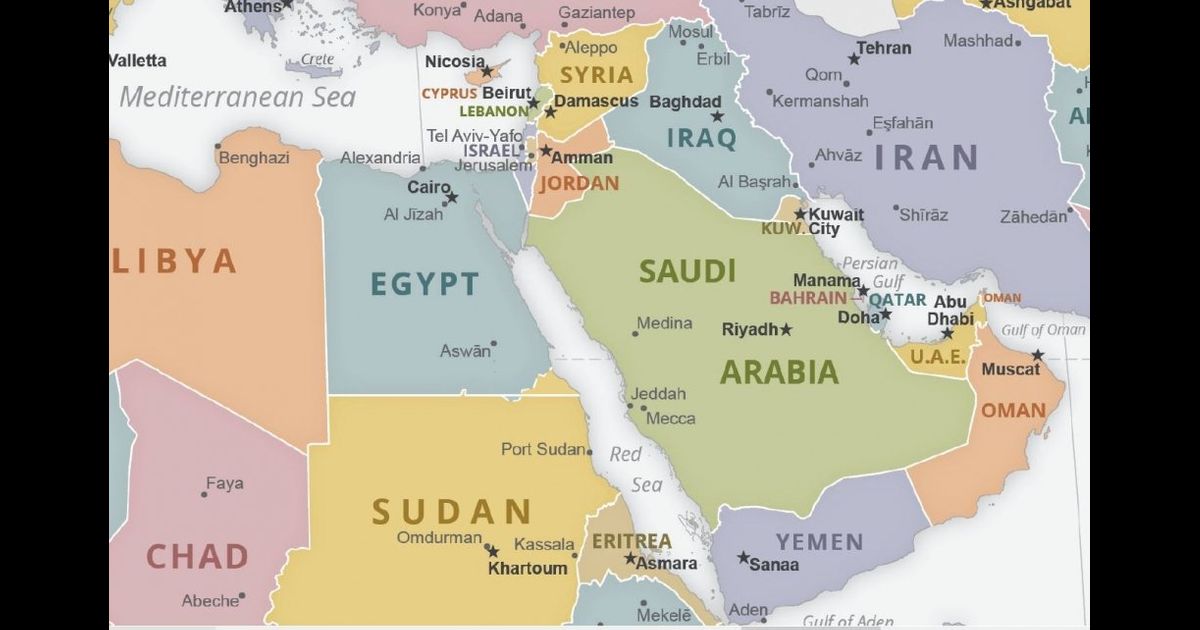
In early 2026, those assumptions shattered. A series of military strikes targeting Iranian infrastructure and leadership triggered a chain reaction of retaliatory attacks, turning long-standing proxy battles into full-scale warfare. Missile strikes, drone attacks, and cyber operations quickly spread across multiple fronts: northern Israel, southern Lebanon, the Red Sea, and the Persian Gulf. Iran’s strategy, relying on its network of proxies rather than conventional military deployments, allowed it to escalate quickly while avoiding direct large-scale confrontation. Yet the effects—on regional stability, civilian populations, and global commerce—have been profound.
One of the most immediate and visible shifts is in Lebanon. Hezbollah, Iran’s long-standing ally, has launched waves of rockets and missiles into northern Israel, prompting sustained Israeli air and artillery strikes. Lebanon, already suffering from economic collapse and governmental paralysis, has been pushed closer to the brink of state failure. The renewed fighting has displaced hundreds of thousands and caused significant damage to infrastructure. The country’s weakened state institutions are struggling to cope, highlighting a broader pattern: internal fragility is no longer insulated from regional power struggles.
Israel, in turn, faces one of the most complex security environments in its history. Confronted simultaneously by Hezbollah in Lebanon, Iranian missile threats, and ongoing challenges along its southern borders, Israel has mobilized large numbers of reservists and launched multi-theater military operations. Its strategic posture reflects a commitment to neutralizing threats on all fronts, but sustaining this level of engagement stretches both military capacity and domestic political cohesion.
The Gulf region is experiencing a similarly profound transformation. Historically regarded as a stable hub for global commerce and energy exports, key cities like Dubai, Riyadh, and Doha are now under direct threat from missile and drone attacks. These attacks have undermined investor confidence and prompted multinational corporations to reassess risk in a region once considered almost invulnerable. Energy infrastructure, in particular, is under pressure: pipelines, refineries, and export terminals have been targeted, and disruptions in the Strait of Hormuz have added volatility to global oil markets. Shipping routes are being rerouted, increasing transportation times and costs, with ripple effects for global trade.
The United States is once again caught between strategic imperatives and domestic caution. American military bases and personnel across the region have faced repeated threats, prompting enhanced deployments and defensive measures. Yet public and political appetite for prolonged engagement in another Middle Eastern conflict is extremely limited. Iran’s leadership appears to recognize this constraint, using asymmetric tactics and proxy forces to apply pressure while avoiding a direct confrontation that might trigger overwhelming U.S. retaliation. This dynamic introduces both risk and opportunity: Tehran can expand influence rapidly, but miscalculations could spark a conflict far larger than intended.
Economically, the repercussions are immediate and global. Oil prices have surged, financial markets fluctuate, and inflationary pressures are beginning to emerge in energy-importing nations. The longer the conflict persists, the more entrenched these disruptions will become. Companies are altering supply chains and redirecting shipping, while governments explore contingency measures to mitigate the impact of a Gulf region no longer viewed as reliably stable.
Politically, the war is accelerating shifts in regional alignments. Gulf states may increase collaboration on defense and intelligence sharing, while Israel may further prioritize preemptive strategies to secure its borders. Iran, depending on how the conflict evolves, could emerge either weakened—if sustained military pressure takes a toll—or emboldened, having tested the effectiveness of its proxy network in real time. Meanwhile, smaller states in the region are reassessing their positions, weighing alliances against exposure to risk, and recalibrating their foreign policies.
Perhaps the most consequential aspect of this moment is the erosion of long-standing frameworks that restrained escalation. For decades, regional powers relied on a combination of diplomacy, deterrence, and economic incentives to manage conflict. Yet these frameworks have frayed: militias and proxy groups have grown stronger, missile arsenals have expanded, and economic and political pressures have intensified. When these latent tensions finally erupted in 2026, the result was no longer a contained crisis but a multidimensional conflict spanning land, sea, and air.
The humanitarian dimension adds another layer to the geopolitical transformation. Lebanon, Yemen, and parts of Iraq and Syria are experiencing renewed displacement and destruction. Civilian populations, already battered by economic collapse, political instability, and previous conflicts, are paying the price for strategic choices made in Tehran, Tel Aviv, and Washington. The scale of civilian suffering is likely to influence international perceptions of the conflict, further complicating diplomatic efforts and shaping the policies of external actors.
This combination of military, economic, political, and humanitarian pressures indicates that the Middle East is entering an era fundamentally different from the one preceding it. Energy markets, trade routes, and investment flows will need to adapt to a region in which security assumptions no longer hold. State and non-state actors alike will reevaluate strategies, alliances, and deterrence calculations in ways that could redefine regional balance for decades.
In conclusion, the Middle East is facing a structural shift in its geopolitical landscape. The events of 2026 are not just another flare-up of long-standing tensions—they are a catalyst for broader transformation. Whether this new era will be shaped by negotiation, containment, or prolonged conflict remains uncertain. What is clear, however, is that the assumptions of the past—about stability, deterrence, and predictable alliances—no longer apply. The region is entering a phase in which military strategy, economic resilience, and political flexibility will determine not only immediate survival but long-term influence in a dramatically altered Middle East.