Is the Sinking of IRIS Dena the First U.S. Submarine Strike Since WWII?
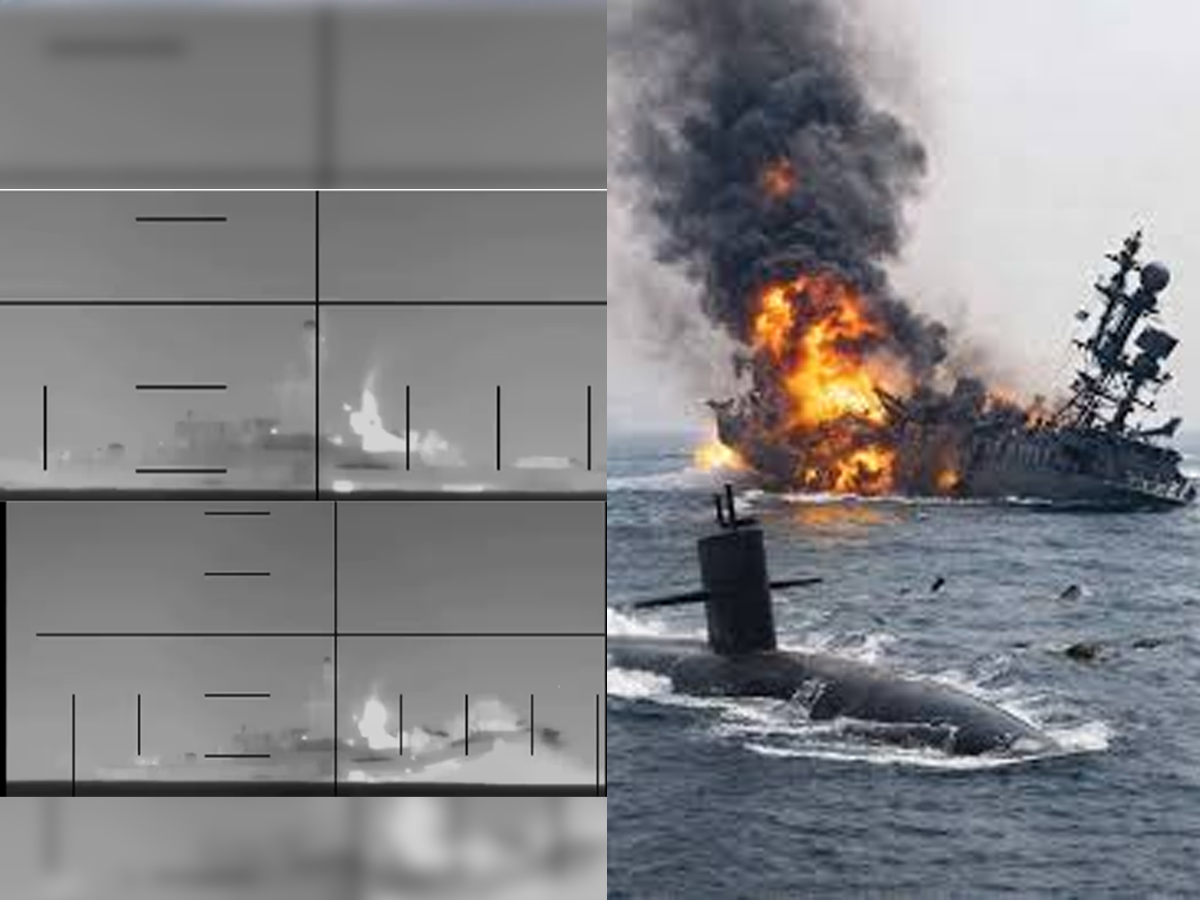
The reported sinking of the Iranian frigate IRIS Dena by a U.S. submarine has sparked intense global debate — not only about rising tensions in the Indian Ocean, but also about history. U.S. Defense Secretary Pete Hegseth described the strike as the first time since World War II that an American submarine has sunk an enemy warship with a torpedo.
If accurate, that statement marks a historic turning point in modern naval warfare. But is it truly the first such strike in more than 80 years?
A Rare Moment in Naval History
During World War II, U.S. submarines played a decisive role in the Pacific theater. American subs sank hundreds of Japanese vessels, crippling supply chains and naval capabilities. Torpedo warfare was central to that effort, and submarine engagements were frequent and deadly.
Since 1945, however, the operational use of U.S. submarines has shifted dramatically. The Cold War transformed submarines into platforms for nuclear deterrence, surveillance, and intelligence gathering. While attack submarines remained armed and ready, direct ship-sinking combat became exceedingly rare.
The Korean War, Vietnam War, Gulf War, and post-9/11 conflicts saw extensive naval operations — but none are widely documented as involving a U.S. submarine torpedoing and sinking an enemy warship in active combat. Submarines launched cruise missiles and conducted covert missions, but torpedo attacks against surface combatants did not become defining moments.
That is why the alleged sinking of IRIS Dena stands out.
The Incident in the Indian Ocean
According to official statements, IRIS Dena — a Moudge-class guided missile frigate — was operating in international waters off the southern coast of Sri Lanka when it was struck by a U.S. torpedo. The vessel had reportedly been returning from multinational naval exercises in India when the incident occurred.
U.S. officials characterized the strike as deliberate and strategic. Hegseth reportedly referred to it as a “quiet death,” emphasizing the stealth capability of American submarines. Sri Lankan authorities confirmed a maritime disaster and launched search-and-rescue operations after receiving distress signals from the vessel.
Casualty reports indicate significant loss of life, with dozens confirmed dead and many more initially missing. The humanitarian dimension of the tragedy has further intensified international scrutiny.
Was There Really No Submarine Strike Since WWII?
To evaluate the claim, it’s important to distinguish between different types of submarine engagements.
Since World War II, U.S. submarines have:
- Conducted covert intelligence operations
- Shadowed adversary fleets
- Launched Tomahawk cruise missiles at land targets
- Participated in deterrence patrols
- Engaged in training exercises involving simulated attacks
However, documented instances of a U.S. submarine sinking a foreign naval vessel with a torpedo in declared or acknowledged combat are virtually nonexistent in the post-1945 era.
There have been maritime clashes involving U.S. surface ships — such as Operation Praying Mantis in 1988, when U.S. naval forces engaged Iranian vessels. But those engagements involved surface combatants and aircraft, not submarines firing torpedoes to sink enemy ships.
If the Dena strike is confirmed as described, it would indeed represent an unprecedented modern example of U.S. submarine torpedo warfare against a state adversary.
Strategic Implications
Beyond the historical question, the strategic consequences are profound.
Submarines are among the most survivable and lethal platforms in naval arsenals. Their stealth makes them ideal for deterrence — but also for surprise strikes. If the United States has now used that capability openly in combat against a sovereign navy, it signals a willingness to escalate naval engagements beyond symbolic or limited confrontation.
It also shifts the geographic focus. The Indian Ocean has long been a zone of commercial traffic, anti-piracy patrols, and strategic competition. A submarine-launched torpedo strike there introduces a new layer of volatility.
Iran, which has invested heavily in asymmetric naval capabilities, may reassess how it deploys surface ships in international waters. Other regional powers — including India, China, and U.S. allies — will closely study what this means for maritime security doctrine.
Why Submarine Torpedo Strikes Are So Rare
Modern naval warfare has evolved toward long-range missile systems, air power, cyber operations, and unmanned platforms. Surface ships today are typically engaged by anti-ship missiles rather than torpedoes. Submarines often act as deterrents rather than frontline executioners.
Torpedo engagements require proximity and tactical calculation. They are decisive and difficult to reverse — once fired, escalation becomes almost inevitable. For that reason, submarine commanders operate under strict rules of engagement and political oversight.
If this was indeed the first U.S. submarine torpedo strike on an enemy warship since World War II, it reflects not just technological capability but a deliberate political choice.
A Historic — and Dangerous — Precedent?
Whether history ultimately confirms the claim, the symbolic weight is undeniable. Invoking World War II underscores the gravity of the moment. That era marked total war among major powers; drawing a parallel suggests that naval conflict may be entering a more direct and confrontational phase.
The sinking of IRIS Dena, if fully verified as described, could be remembered as a watershed in 21st-century maritime warfare — the moment submarine deterrence crossed back into active, acknowledged ship-killing combat.
And if it truly is the first such strike since 1945, it marks not just a military milestone, but a profound shift in the rules governing conflict at sea.