Is the U.S. Preparing for a Weeks-Long War With Iran?
WASHINGTON — The United States is quietly laying the groundwork for what could become a sustained military campaign against Iran, according to senior officials familiar with current defense planning. While no final order has been given, the Pentagon is preparing for the possibility of operations that could last weeks rather than days — a significant escalation compared to previous limited confrontations between the two countries.
The contingency planning reportedly includes options for broader and more sustained strikes if President Donald Trump authorizes military action. Officials caution that such preparations do not mean an attack is imminent. However, the scale and scope of the planning indicate that U.S. defense leaders are preparing for more than a short-term exchange.
A Shift From Limited Strikes to Extended Operations
In past years, U.S.–Iran tensions have flared into isolated incidents — targeted strikes, retaliatory missile launches, or proxy confrontations across the Middle East. What makes the current planning notable is its duration. Defense officials are reportedly examining scenarios that would require sustained logistics, continuous air and naval operations, and long-term force protection for American personnel stationed across the region.
Rather than focusing on a single site or symbolic target, planners are said to be reviewing broader categories of potential objectives. These could include strategic military facilities, command-and-control infrastructure, and other state-linked assets. A prolonged campaign would demand careful coordination of air power, naval assets, intelligence operations, and regional defense systems.
Military Buildup in the Region
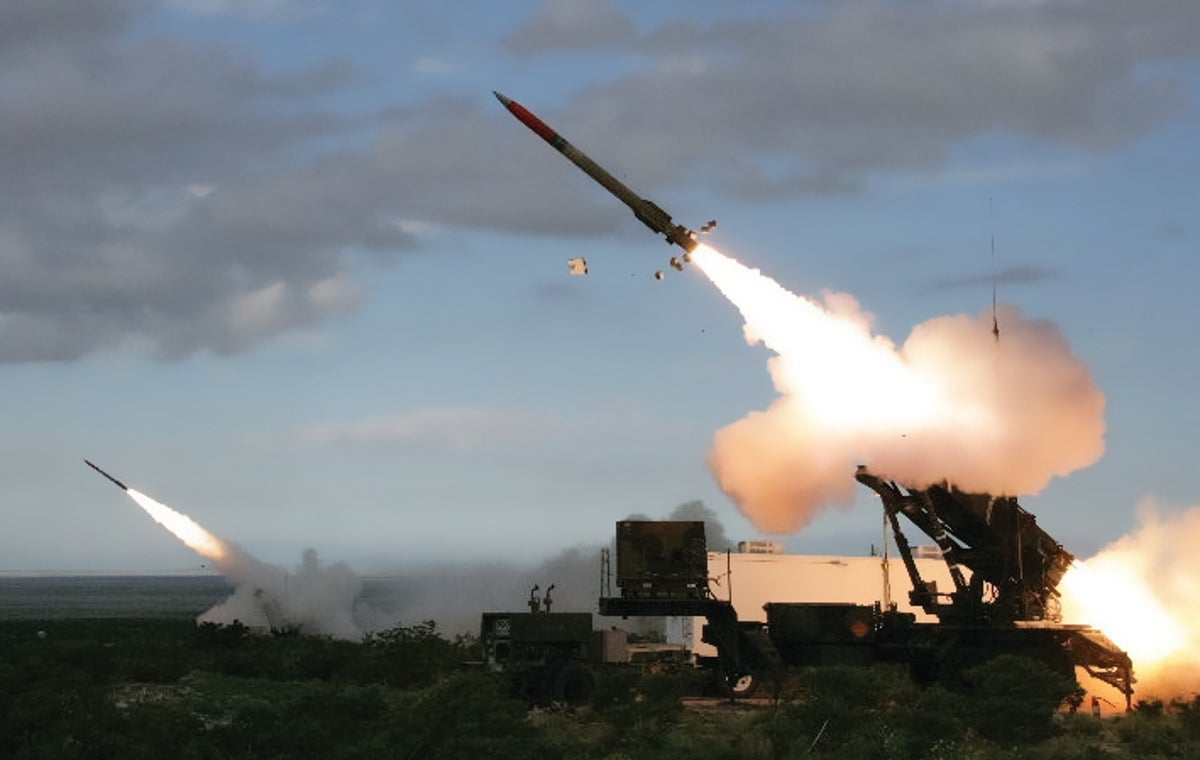
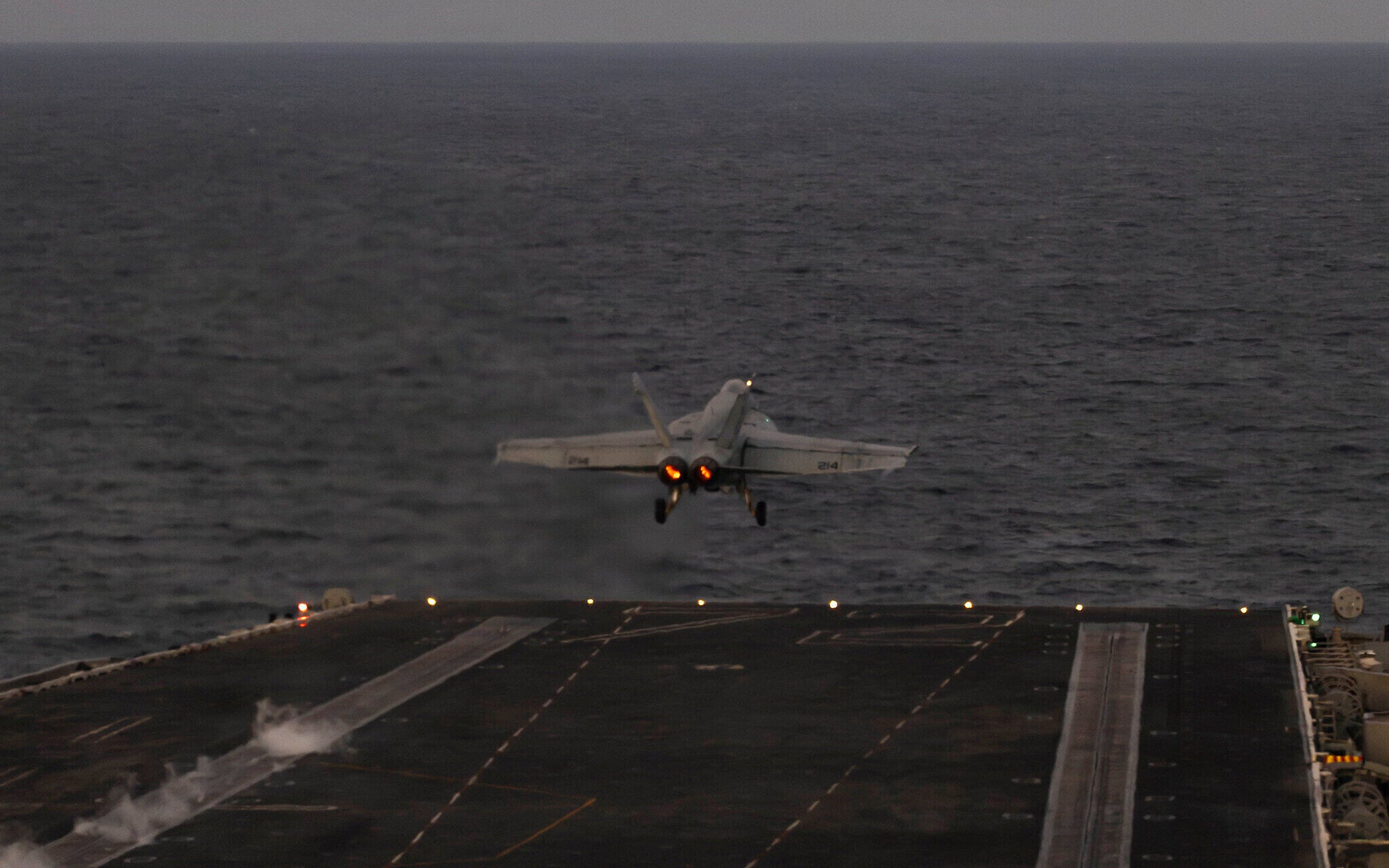
The Pentagon has already reinforced its presence in the Middle East. Additional naval assets — including carrier strike groups — have been deployed to the region, accompanied by support vessels and advanced fighter aircraft. Air defense systems and thousands of U.S. troops stationed in Gulf countries are reportedly operating under heightened readiness.
Such deployments serve a dual purpose: deterrence and preparedness. By increasing its visible military footprint, Washington signals resolve while also positioning forces to respond rapidly if tensions escalate.
Still, military planners are fully aware of the risks. Iran possesses a significant missile arsenal and maintains influence through allied militias across Iraq, Syria, Lebanon, and Yemen. Any sustained U.S. campaign would likely invite retaliation, potentially targeting American bases, naval vessels, or regional partners.
Diplomacy Under Pressure
Despite the military preparations, diplomatic channels remain open. Talks aimed at easing tensions and addressing Iran’s nuclear program have continued in recent weeks, though progress has reportedly been slow. President Trump has publicly acknowledged the difficulty of reaching a comprehensive agreement with Tehran, suggesting that negotiations have faced persistent obstacles.
The administration’s approach appears to combine diplomatic outreach with military leverage — maintaining pressure while leaving room for negotiation. This balancing act is designed to influence Tehran’s calculations without triggering outright conflict.
However, the more visible the military buildup becomes, the more delicate the diplomatic effort grows. Iranian officials have repeatedly warned that any direct strike on their territory would be met with a firm response.
Regional and Global Stakes
The implications of a weeks-long military confrontation would extend well beyond the United States and Iran. The Middle East remains a tightly interconnected security environment, and escalation could quickly spill across borders. Regional actors — including Israel and Gulf states — would be closely watching developments and potentially drawn into a widening conflict.
Global markets would also feel the impact. The Strait of Hormuz, a critical artery for global oil shipments, sits at the center of the geopolitical chessboard. Any disruption to shipping traffic in the area could rattle energy markets and drive up prices worldwide.
Moreover, U.S. forces stationed throughout the region would face increased exposure. Sustained operations carry greater logistical strain and higher risks compared to limited, one-off strikes. The longer a conflict lasts, the more unpredictable its trajectory becomes.
War or Strategic Signaling?
At this stage, there is no confirmation that a sustained campaign has been approved. The current preparations may ultimately serve as strategic signaling — demonstrating capability and readiness to strengthen Washington’s position at the negotiating table.
Still, the very fact that weeks-long operational plans are under review underscores how serious the situation has become. Military planning of this scale is not routine. It reflects an understanding within defense circles that escalation, if it occurs, could unfold rapidly and require immediate sustained action.
Whether these preparations remain a precaution or evolve into active operations will depend heavily on the outcome of diplomatic efforts and decisions made at the highest political levels. For now, the question remains open — but the stakes are unmistakably high.