Life and Culture in Somaliland- Somaliland, located in the Horn of Africa, is a land full of history, vibrant traditions, and resilient communities. Even though it declared independence from Somalia in 1991, the people of Somaliland have held onto their unique identity, blending centuries of culture, clan traditions, and Islamic faith. Life here is a beautiful mix of family, celebration, storytelling, and devotion.
Language: More Than Words
The Somali language is at the heart of everyday life in Somaliland. Beyond simple communication, it carries stories, wisdom, and history. Poetry, or “gabay”, is especially cherished. Elders recite long poems to teach lessons, share moral guidance, and preserve the stories of the past. Young people also enjoy creating their own poems, blending tradition with modern ideas. In Somaliland, words are powerful—they connect generations and bring communities together.
Family, Clans, and Community Life
Somaliland’s society is organized around clans, which act as extended families. Clans provide support, guidance, and a sense of belonging. Elders, known as Isimada, help resolve disputes, guide decisions, and ensure respect for traditions. This system teaches the importance of respect, collaboration, and community responsibility. Even in challenging times, people feel connected and supported through their clan networks.
Music and Dance: Celebrations Everywhere
Music and dance are an essential part of life in Somaliland. Traditional instruments such as the oud and drums accompany songs about love, bravery, and daily life. Dhaanto, a lively traditional dance, is performed at weddings, festivals, and national celebrations. Dance and music are not just entertainment—they are ways to honor history, share joy, and bring communities closer together.
Food and Hospitality
Hospitality is a cornerstone of life in Somaliland. Guests are welcomed with warm tea, spiced coffee, and delicious meals. Staple foods include canjeero (a thin flatbread), rice, pasta, and meat dishes such as goat, camel, or beef. Sharing meals is a way to show respect, friendship, and care. In Somaliland, food is more than nourishment—it is an expression of generosity and community.
Traditional Dress and Identity
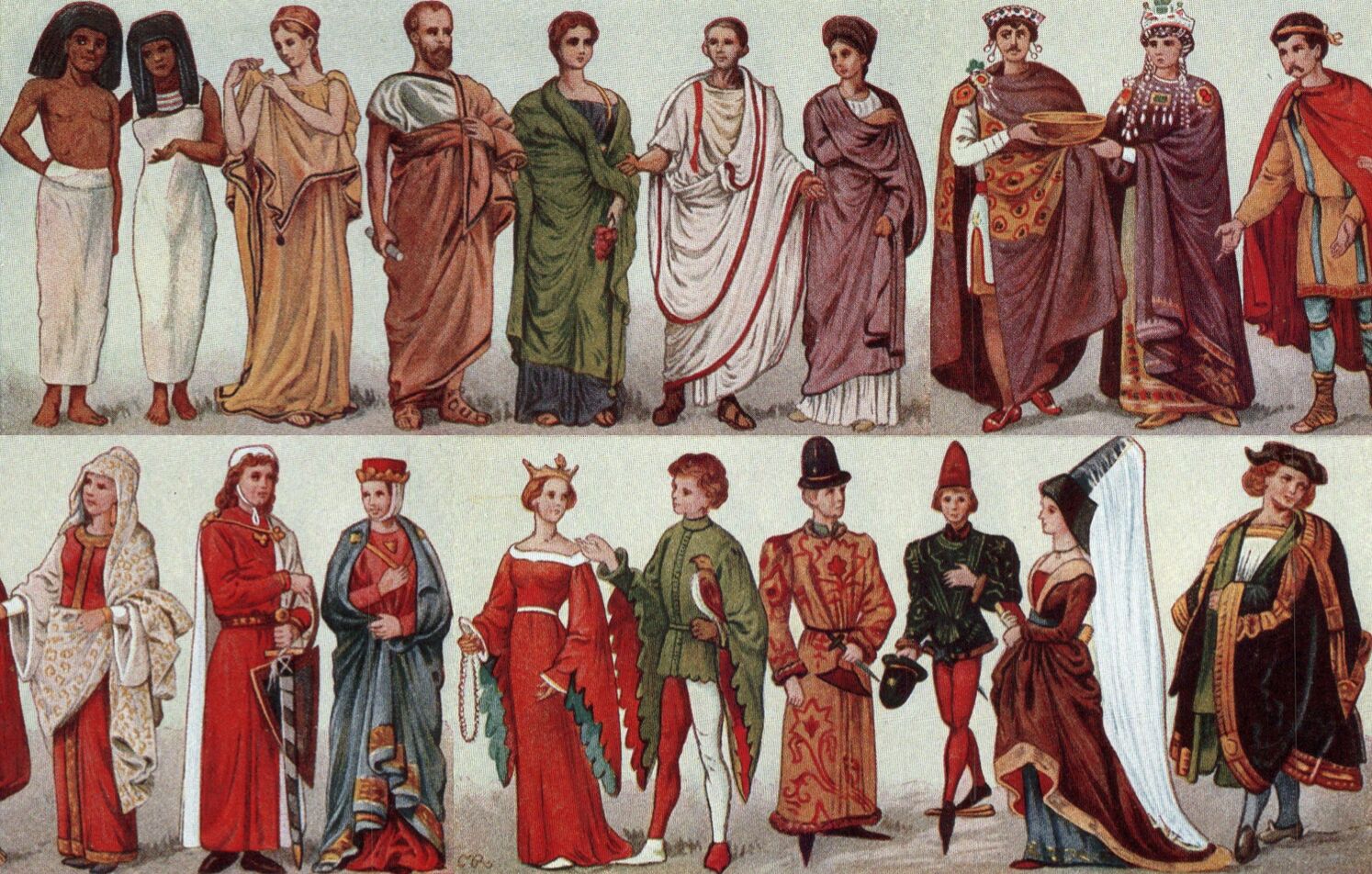
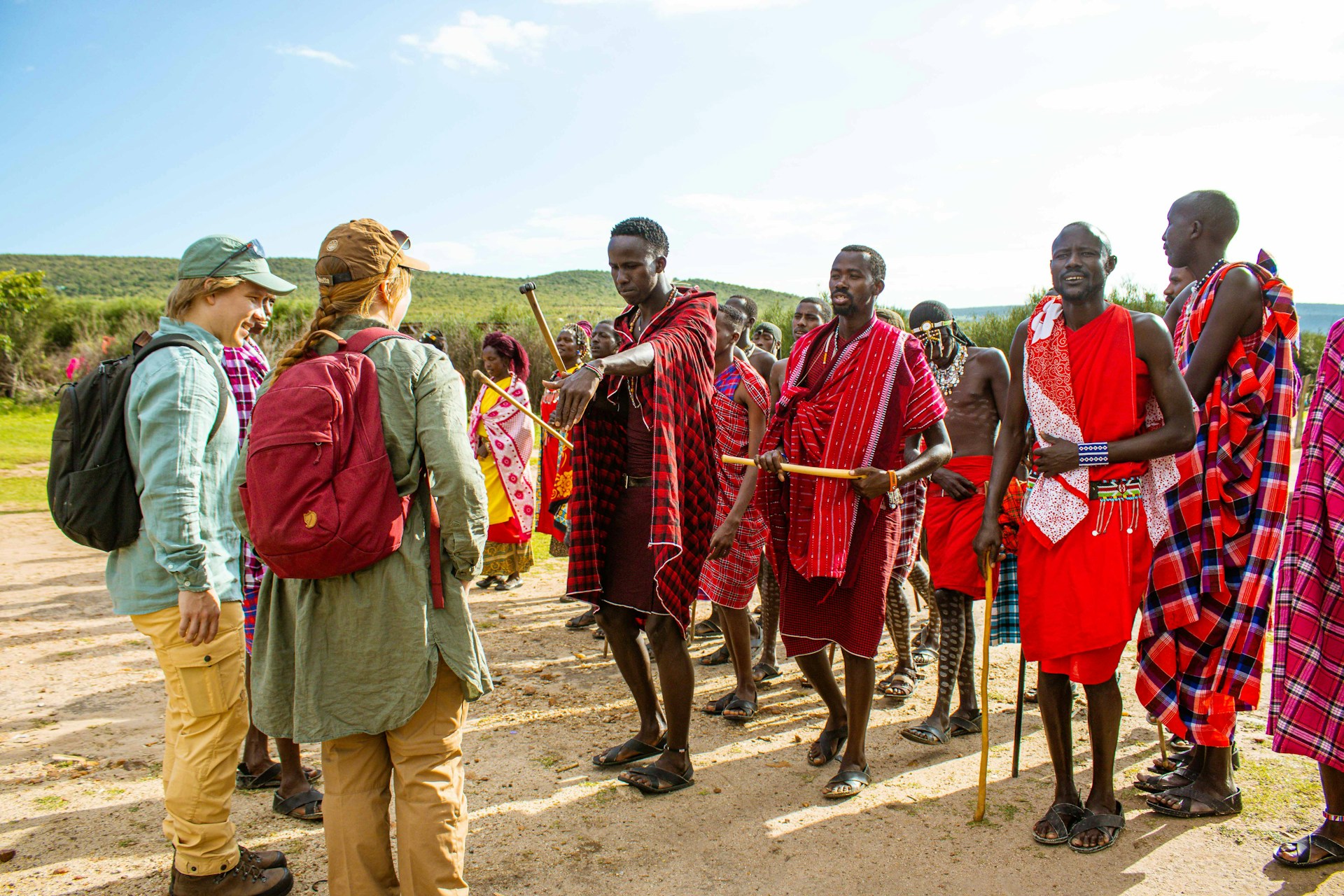
Clothing reflects both tradition and personal identity. Men often wear the macawiis, a wrapped cloth paired with a shirt, while women wear flowing, colorful dresses called dirac, often accompanied by headscarves. Traditional attire is worn during special events, while modern clothing is common in cities. The way people dress tells a story about heritage, style, and cultural pride.
Faith and Daily Life
Islam is central to life in Somaliland. Most people are Sunni Muslims, and religious practices influence daily routines, morals, and social life. Mosques are common, and daily prayers, or Salat, are observed with devotion. Important festivals like Eid al-Fitr and Eid al-Adha are celebrated with prayer, charity, and family gatherings. Ramadan is a time for fasting, reflection, and community bonding. Religious leaders, or ulama, are respected for guiding both spiritual and ethical life.
Festivals, Traditions, and Social Life
Life in Somaliland is full of celebrations and traditions. Weddings are grand events with music, dance, poetry, and feasts that can last several days. Other cultural festivals mark religious holidays, historical events, or seasonal changes. Storytelling, singing, and communal gatherings help pass cultural knowledge from one generation to the next. Social life emphasizes hospitality, respect for elders, and a strong sense of shared identity.
Pride, Resilience, and Heritage
The people of Somaliland take great pride in their heritage. Poetry, music, dance, food, dress, and religion all reflect a culture that is rich, vibrant, and resilient. Communities remain strong, preserving traditions even in modern times. Life in Somaliland teaches respect, generosity, and the value of family and community. It is a culture that warmly welcomes others and celebrates both history and the present.
Final Thoughts
Life and culture in Somaliland are inseparable. From the poetry of elders to the energetic beats of Dhaanto, from shared meals to religious devotion, every part of daily life reflects tradition, community, and pride. Somaliland’s culture is a treasure, showing that even in a changing world, heritage, creativity, and human connection remain beautifully alive.
Is Israel’s Recognition of Somaliland a Turning Point in Global Diplomacy? | Maya