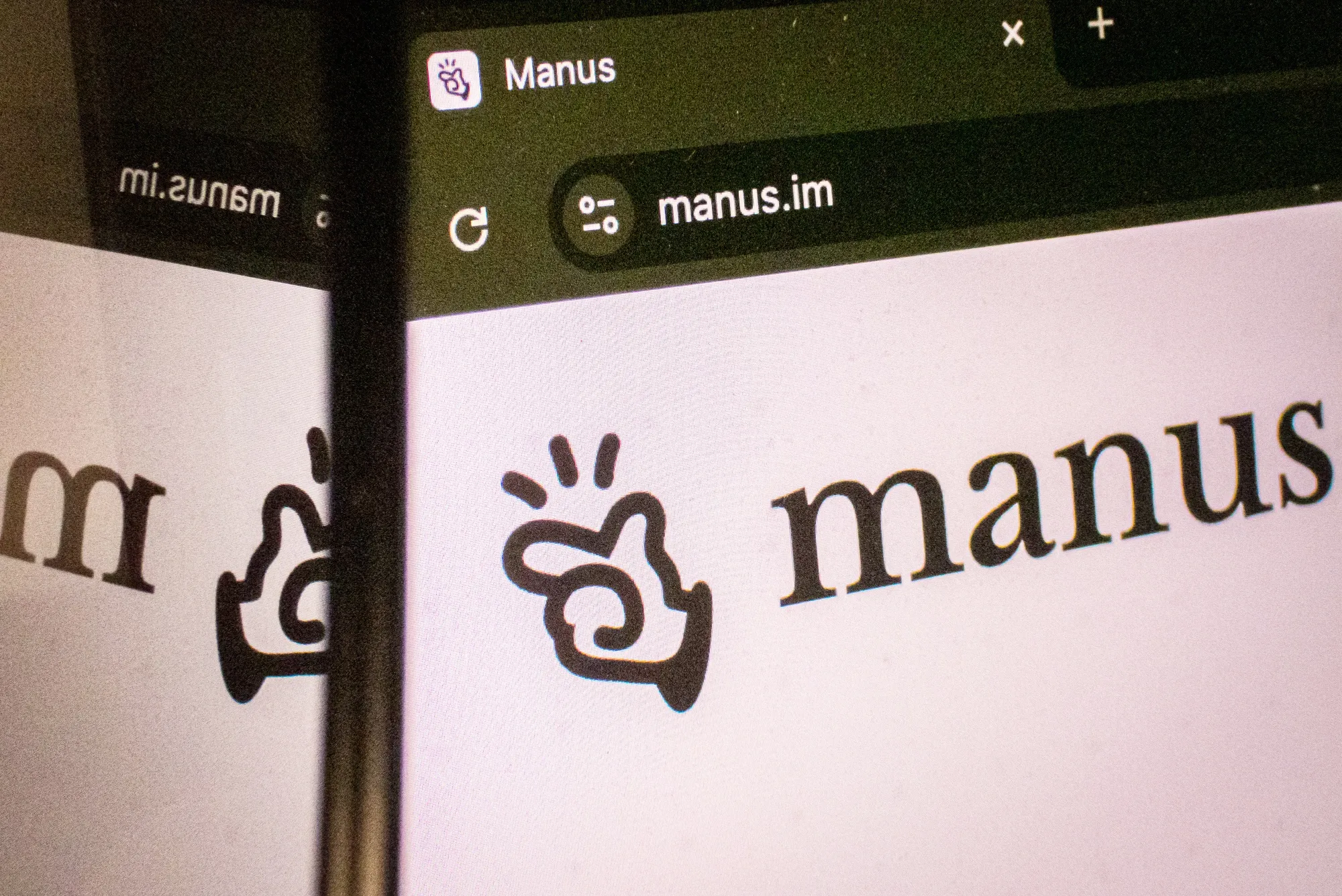
Meta Bets Big on AI With Acquisition of Manus in Multi-Billion Dollar Deal- Meta is making another bold statement in the artificial intelligence race. The tech giant announced that it will acquire Manus, a Chinese-founded AI startup now based in Singapore, marking one of its most significant moves yet to strengthen its position in advanced AI development. While Meta did not publicly disclose the financial terms, sources familiar with the deal estimate the transaction values Manus at between $2 billion and $3 billion, highlighting the soaring value of cutting-edge AI companies.
The acquisition comes as Meta accelerates its efforts to embed AI more deeply across its products, from social media platforms like Facebook and Instagram to messaging services such as WhatsApp and emerging tools powered by generative AI. With competition intensifying among major players including Google, Microsoft, and OpenAI, Meta appears determined to secure both the technology and the talent needed to stay ahead.
Manus has gained attention in AI circles for its work on advanced reasoning systems and large-scale model deployment. Although the company maintains a relatively low public profile, it is known for developing systems designed to improve automation and decision-making across complex tasks. Its team, drawn from a global talent pool, reflects the increasingly international nature of AI innovation.
For Meta, the appeal of Manus likely goes beyond its existing technology. In today’s AI landscape, elite researchers and engineers are among the most sought-after assets in the tech industry. Acquiring a startup outright allows Meta to bring in an experienced team that can immediately contribute to improving its AI models and speeding up product development. This strategy mirrors a broader trend in which large technology companies pursue acquisitions not just for products, but for expertise.
AI has become central to Meta’s long-term vision. The company has already rolled out AI-powered assistants, enhanced content recommendations, and tools designed to help creators and advertisers optimize performance. Looking forward, Meta sees AI as foundational to future experiences, including immersive digital environments and more personalized online interactions. Integrating Manus’s capabilities could help refine these offerings and unlock new use cases across Meta’s platforms.
The reported valuation of the deal also reflects a shift in how the market prices AI startups. Even as funding for consumer apps and traditional software companies has cooled, AI-focused firms with strong research capabilities continue to command premium valuations. Investors and acquirers are increasingly willing to pay for proprietary models, unique training methods, and teams capable of pushing the boundaries of what AI systems can do.
There are also strategic considerations tied to geography and regulation. Manus’s base in Singapore positions it within a region that is rapidly emerging as a hub for AI research and investment. At the same time, its international background highlights the global nature of AI development, where innovation often transcends national borders. As governments around the world increase scrutiny of AI and data practices, how Meta navigates regulatory expectations will be closely watched.
Ultimately, the success of the acquisition will depend on execution. Integrating a fast-moving startup into a company as large as Meta is never simple, particularly in a field as complex and fast-evolving as artificial intelligence. However, if Meta can effectively combine Manus’s talent and technology with its own resources and infrastructure, the deal could significantly strengthen its competitive edge.
As the AI arms race continues to intensify, Meta’s acquisition of Manus sends a clear message: the company is willing to make big bets to shape the future of artificial intelligence—and it sees that future as central to everything it builds next.
The Billion-Dollar Beat: Beyoncé’s Journey to Iconic Wealth | Maya