North Korea Condemns U.S. Military Operation in Venezuela, Calls It “Rogue and Brutal”- Global Powers React as Tensions Spike
The Democratic People’s Republic of Korea (DPRK) has issued a strong condemnation of the United States’ recent military action in Venezuela, describing it as a “rogue and brutal” violation of sovereignty. The statement, released by Pyongyang’s Foreign Ministry on January 4, comes in the wake of a U.S. operation that resulted in the capture of Venezuelan President Nicolás Maduro and has prompted a wave of international criticism.
In a rare direct comment on Latin American affairs, the DPRK accused Washington of habitually violating the sovereignty of other nations and destabilizing regional and international order. “The present situation in Venezuela, caused by U.S. high-handed actions, has further weakened regional stability and is a serious breach of the United Nations Charter and international law,” the North Korean spokesperson said.
The U.S. Operation and Its Impact
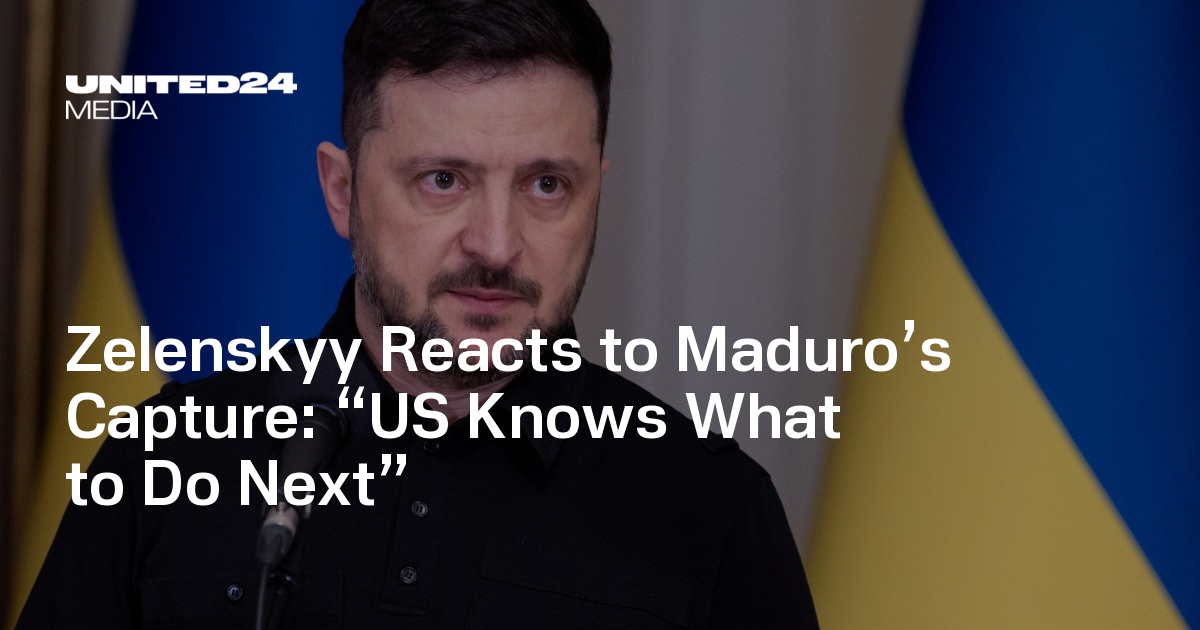
Reports indicate that U.S. forces launched a precision military operation in Caracas, targeting key sites and resulting in the detention of President Maduro and First Lady Cilia Flores. The Trump administration stated that the intervention was aimed at neutralizing criminal networks and drug trafficking operations allegedly connected to Maduro’s government.
Following the operation, President Trump claimed that the United States would temporarily “run” Venezuela to oversee a transition and maintain security, framing the action as necessary to restore democratic governance. The move represents one of the most assertive U.S. interventions in Latin America in decades and has sparked immediate controversy and debate worldwide.
North Korea’s Denunciation
The DPRK’s response framed the U.S. military action as a blatant violation of international norms and the rights of a sovereign state. Pyongyang called on the global community to recognize the gravity of the situation and protest what it sees as U.S. aggression. The statement also accused Washington of exacerbating regional instability and undermining the structure of international relations.
While North Korea seldom comments on Latin American conflicts, this statement reflects its longstanding opposition to U.S. global hegemony. Analysts suggest that Pyongyang’s condemnation may also serve to reinforce its broader narrative of resisting U.S. influence, particularly amid rising tensions on the Korean Peninsula.
China Condemns U.S. Actions
China, Venezuela’s major economic and political partner, quickly expressed its strong opposition to the U.S. operation. Beijing described the intervention as a violation of international law and a threat to regional stability. Chinese officials urged Washington to immediately halt attempts to overthrow the Venezuelan government and ensure the safety and release of President Maduro.
China emphasized that military action against a sovereign nation sets a dangerous precedent and undermines the principles of the United Nations Charter, highlighting its commitment to protecting diplomatic and economic interests in Latin America.
Russia Denounces Armed Aggression
Moscow also condemned the U.S. operation as an act of armed aggression. The Russian Foreign Ministry called for clarification from Washington and stressed the need for diplomatic resolution rather than unilateral military action. While Russia has not committed to direct intervention, it reaffirmed support for Venezuela and underscored the importance of international law and state sovereignty in resolving disputes.
Reactions Across Latin America
Responses in Latin America have been mixed:
-
Brazil, under President Luiz Inácio Lula da Silva, called the attack a serious affront to Venezuelan sovereignty and warned of potential destabilization across the region.
-
Colombia called for emergency meetings of the UN Security Council and other regional forums to address the legal and humanitarian implications.
-
Mexico and Chile emphasized the importance of diplomacy and peaceful resolution, voicing concern over potential escalation.
-
Governments with leftist leanings, including Cuba and several Caribbean states, criticized the operation as a blatant violation of international norms, labeling it “state terrorism” in practice.
Some regional leaders with more conservative or anti-Maduro stances cautiously welcomed regime change but underscored that military force should not replace diplomacy.
Global Institutions Weigh In
The United Nations Secretary-General expressed concern over the legality of military action against a sovereign state and stressed the potential risks to global stability and international law. European nations and the European Union similarly highlighted the importance of respecting sovereignty and seeking non-military solutions.
These responses indicate widespread international unease over unilateral military interventions and the potential for precedents that could undermine the global rules-based order.
Geopolitical Implications
The U.S. intervention in Venezuela has intensified tensions between Washington and global rivals such as China, Russia, and North Korea. The episode underscores the growing divide over how nations interpret sovereignty, military force, and international law.
For China and Russia, the Venezuelan crisis serves as a symbolic challenge to U.S. dominance and a demonstration of their commitment to a multipolar international order. For North Korea, the incident reinforces narratives of resisting American influence globally. Meanwhile, U.S. allies face a diplomatic dilemma: balancing support for democratic principles with concerns about legality, regional stability, and international norms.
Final Thoughts
The U.S. military operation in Venezuela has triggered a storm of international condemnation, with Pyongyang, Beijing, and Moscow leading vocal protests. North Korea’s denunciation as “rogue and brutal”, along with similar responses from major global powers, underscores the deepening tensions in an already fractured international system.
As Venezuela’s political and humanitarian situation unfolds, the incident may have lasting consequences for global diplomacy, regional security, and the rules governing international conduct. The episode serves as a stark reminder of the challenges that arise when unilateral military interventions collide with the principles of sovereignty and the complex web of modern geopolitics.
Is OpenAI Planning a Future Where Humans No Longer Do Research? | Maya