“Open Hormuz First”: Trump Sets Terms for Iran Ceasefire- The prospect of a ceasefire in the escalating U.S.–Iran conflict has become increasingly complex, as President Donald Trump sets a firm and highly strategic precondition: reopen the Strait of Hormuz before any deal can move forward.
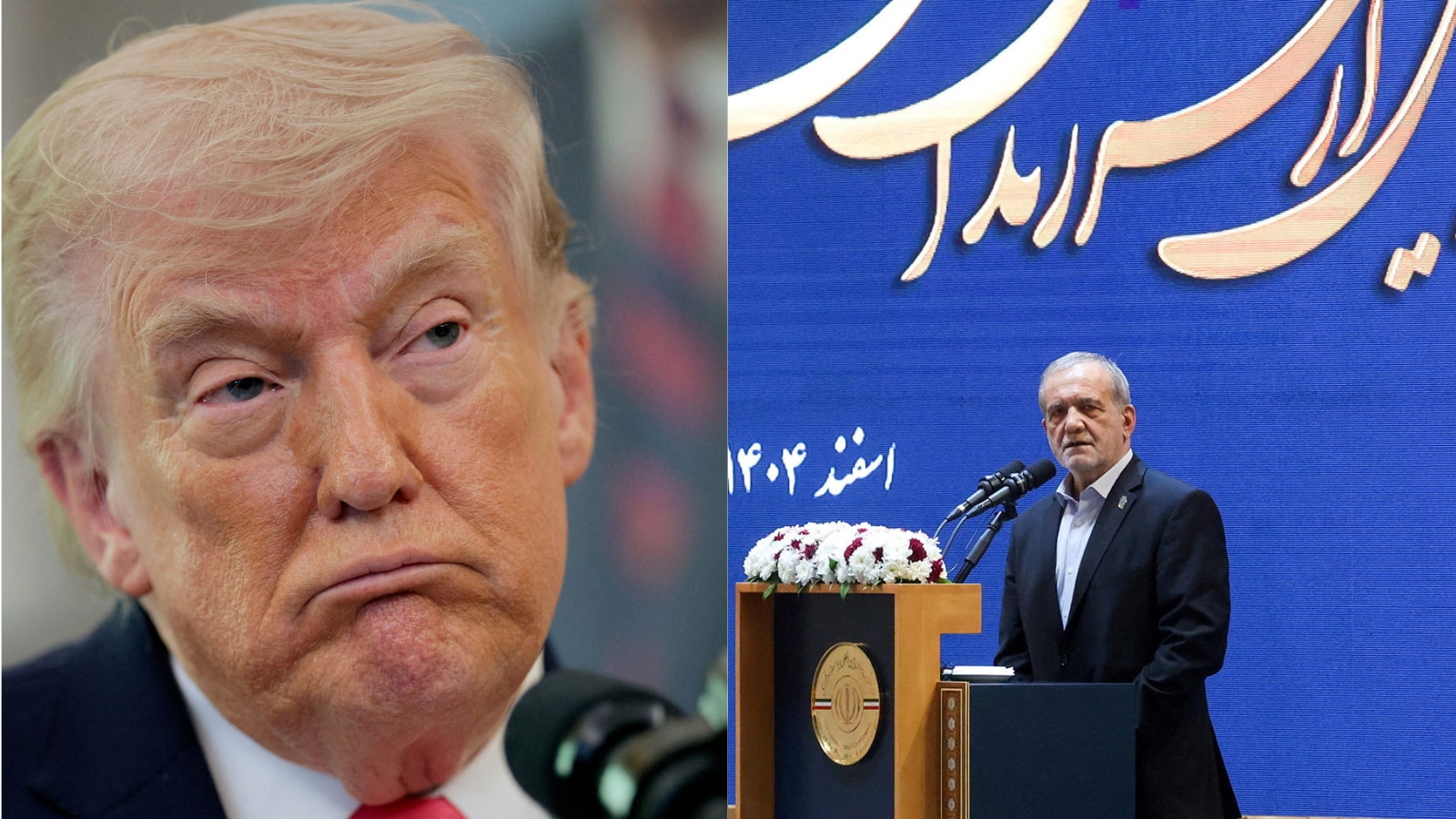
In remarks that quickly reverberated across global political and financial circles, Trump claimed that Iran’s president had approached the United States seeking a ceasefire. Yet instead of signaling an immediate diplomatic breakthrough, he drew a clear line—Washington would only consider pausing hostilities once the critical maritime passage is “open, free, and clear.”
This demand shifts the conversation away from a simple ceasefire framework toward a broader geopolitical objective, one that blends military goals with economic priorities.
At the center of it all lies the Strait of Hormuz, a narrow but vital waterway connecting the Persian Gulf to global markets. Roughly a fifth of the world’s oil supply passes through this corridor, making it one of the most strategically significant chokepoints on the planet. Since tensions escalated into open conflict earlier this year, disruptions in the strait have rattled energy markets, driven up oil prices, and sparked widespread concern about the stability of global supply chains.
By insisting that Hormuz be reopened first, the United States is effectively prioritizing the restoration of global oil flow as a prerequisite for peace. From Washington’s perspective, this is not just about regional security—it’s about preventing prolonged economic fallout that could ripple across continents.
However, this position also raises the stakes considerably.
Traditionally, ceasefires are seen as confidence-building measures—first steps toward de-escalation that create space for broader negotiations. In this case, the U.S. appears to be reversing that sequence, demanding a major strategic concession upfront. That transforms the ceasefire from a starting point into a potential endgame outcome, making it significantly harder to achieve.
Iran, for its part, has strongly rejected Trump’s claims.
Officials in Tehran have denied that any request for a ceasefire was made, labeling the assertion as false and politically motivated. This sharp contradiction underscores the deep mistrust between the two sides, where even the basic facts are contested. In modern conflicts, narratives are often as important as actions, and both governments appear keen to shape international perception in their favor.
Despite the public denials, there are indications that behind-the-scenes communication may be taking place. Diplomatic backchannels, often used in high-stakes conflicts, could be quietly exploring options for de-escalation. These indirect talks, if they exist, are likely focused on balancing security concerns with economic pressures—particularly those tied to the disruption of Hormuz.
Meanwhile, the situation on the ground remains tense.
U.S. military operations continue, with no visible signs of a slowdown. Trump has emphasized that pressure will be maintained until the strait is secured, reinforcing the idea that control over this key route is central to the broader strategy. This approach reflects a calculated effort to use military leverage to achieve both tactical and economic objectives simultaneously.
Yet such a strategy is not without risks.
For Iran, the Strait of Hormuz is more than just a shipping lane—it is a critical lever of influence. The ability to threaten or restrict access gives Tehran a powerful tool in times of conflict, allowing it to exert pressure far beyond its borders. Relinquishing that leverage, especially under external pressure, would represent a significant strategic loss.
This creates a fundamental impasse. The United States is demanding a concession that Iran may view as unacceptable, at least in the absence of guarantees or reciprocal commitments. As a result, the path to a ceasefire becomes narrower, with both sides entrenched in positions that are difficult to reconcile.
The international dimension adds another layer of complexity.
Countries that depend heavily on oil shipments through Hormuz are closely monitoring developments, aware that prolonged disruption could have serious economic consequences. At the same time, not all U.S. allies appear fully aligned with Washington’s approach. Some European nations have shown reluctance to deepen their involvement in the conflict, signaling potential fractures in what might otherwise be a unified front.
Financial markets are already reacting to every development.
Oil prices have fluctuated sharply in response to shifting signals about the conflict and the possibility of a ceasefire. Even minor updates—whether statements, denials, or rumors of talks—have had immediate effects, highlighting just how interconnected geopolitics and the global economy have become.
For observers, the key question is whether this moment represents a genuine opening for diplomacy or simply a tactical maneuver in a broader strategic contest.
Is the ceasefire claim a sign that pressure is working, or a narrative designed to justify continued military action? Can backchannel discussions bridge the gap between competing demands? And perhaps most importantly, is it possible to achieve peace when both sides insist on conditions that strike at the core of each other’s strategic interests?
What is certain is that the Strait of Hormuz is no longer just a backdrop to the conflict—it has become the central bargaining chip. The future of the ceasefire, and potentially the trajectory of the entire conflict, may well depend on what happens in this narrow stretch of water.