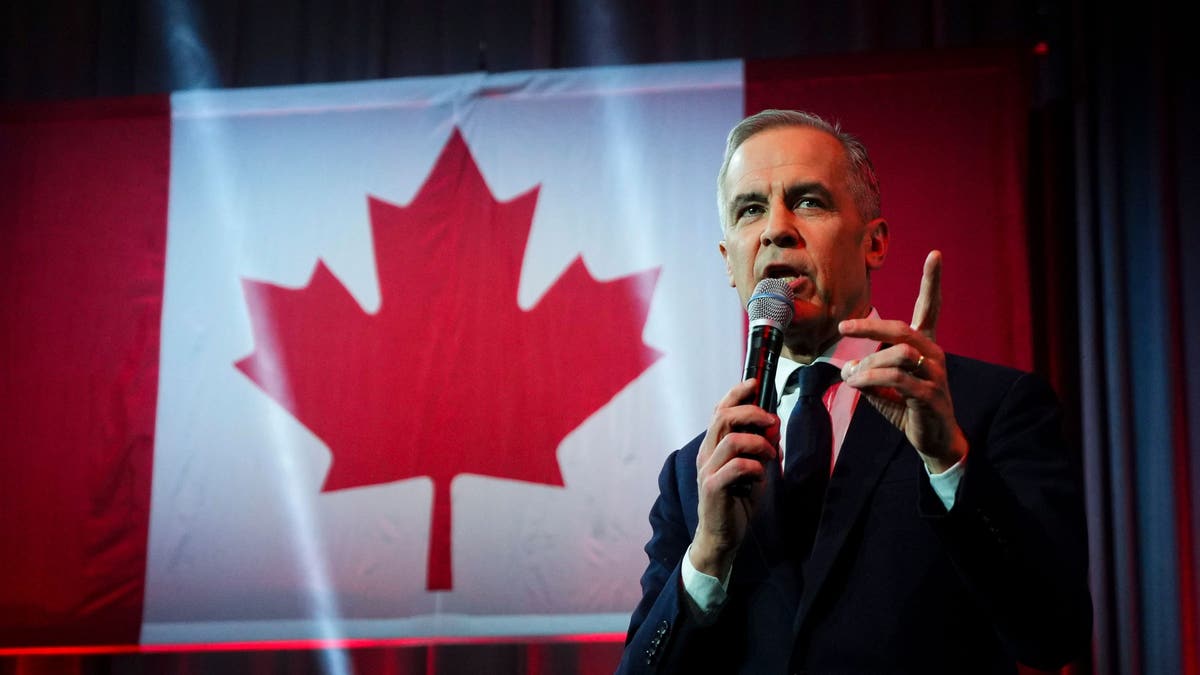
Prime Minister Mark Carney Paves Way for Stronger Canada-China Ties- Prime Minister Mark Carney is in Beijing this week, signaling a significant shift in Canada’s relationship with China. Carney described the visit as the start of a “new era of relations” and emphasized the potential for the two countries to act as strategic partners in areas ranging from trade and energy to technology and investment.
Carney’s arrival was met with high-level official welcomes, including interactions with China’s premier and other senior leaders, demonstrating Beijing’s eagerness to normalize and expand diplomatic engagement with Canada. During his visit, Carney is scheduled to meet with President Xi Jinping, a meeting that both sides say could pave the way for stronger cooperation across economic and political arenas.
A Shift After Years of Strain
Canada and China have endured nearly a decade of tensions, marked by diplomatic standoffs, trade disputes, and security concerns. Past conflicts, including the detention of high-profile figures and reciprocal tariffs on key exports, left the bilateral relationship strained. Carney’s visit marks a deliberate effort to move beyond past grievances and explore areas of mutual benefit, with an emphasis on restoring trust and dialogue.
Foreign Affairs Minister Anita Anand, accompanying Carney, echoed this optimistic tone, noting that discussions in Beijing aim to deliver economic benefits across all Canadian regions while also addressing broader issues beyond trade. Chinese officials, including Premier Li Qiang, described the visit as a step toward “upward growth” in bilateral relations, suggesting a mutual interest in rebuilding ties after years of friction.
Economic Engagement at the Forefront
A significant part of Carney’s agenda involves meetings with leading Chinese companies. These include firms in technology, energy, finance, and electric vehicles, sectors in which China has global influence. The goal is to expand Canadian trade and investment opportunities, attract Chinese investment into Canada, and explore joint ventures that can benefit industries ranging from clean energy to advanced manufacturing.
A major challenge remains the tariff disputes that have affected Canadian exports, particularly in agriculture. Provinces in the Atlantic and western regions have been pushing for lower Chinese tariffs on products such as canola, pork, and seafood. At the same time, China seeks concessions on Canadian levies for Chinese electric vehicles. Carney and Anand are navigating these delicate negotiations, seeking balanced agreements that protect domestic industries while opening new export channels.
Diplomacy Beyond Trade
While the trip has a strong economic focus, officials emphasize that the discussions go beyond trade. Topics such as geopolitical stability, energy security, technology collaboration, and global challenges are also on the table. The Canadian delegation hopes that high-level engagement will set the tone for a more constructive relationship, with regular dialogue and cooperation across multiple sectors.
Carney’s visit represents Canada’s attempt to diversify its international partnerships, reducing over-reliance on the U.S. market while strengthening ties with other global players. For China, engagement with Canada offers opportunities to secure stable trade partners and strategic cooperation in areas like energy, technology, and finance.
Looking Ahead
Observers caution that while the visit marks a positive shift, resolving longstanding disputes will take time. Negotiations over tariffs, investment protections, and other trade barriers are complex and will require careful balancing of domestic and international interests. However, the tone in Beijing suggests both sides are serious about moving forward.
Carney’s China visit may not immediately solve all challenges, but it signals a willingness to engage directly and constructively, opening doors to new opportunities for Canadian businesses, farmers, and investors. For now, the trip sets the stage for a more collaborative, forward-looking chapter in Canada-China relations, one that could shape the country’s economic and diplomatic strategy for years to come.
Sanctions, Sovereignty, and State Power: How History Shaped the U.S.–Venezuela Standoff | Maya