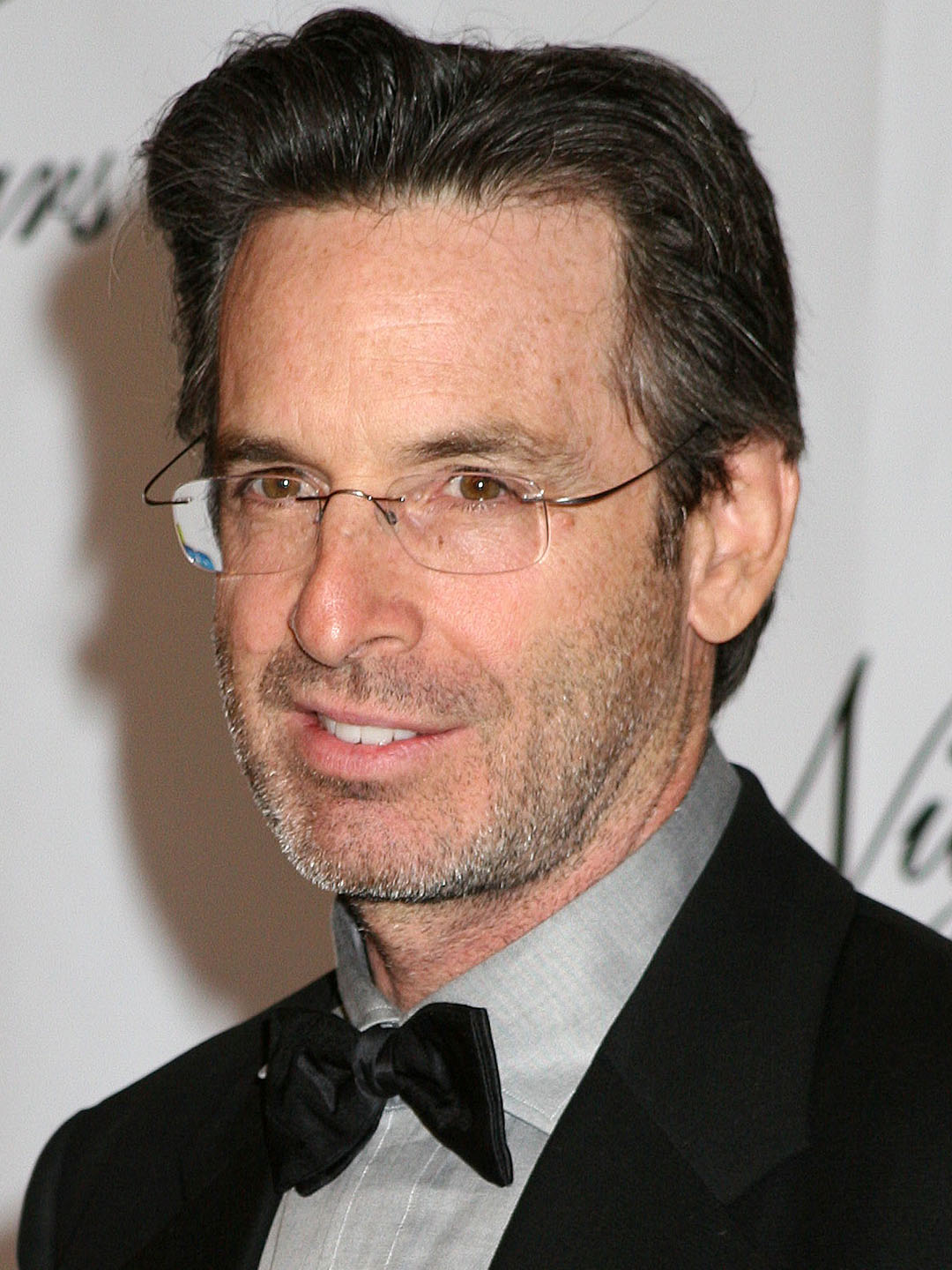
Remembering Robert Carradine: A Gentle Icon of Hollywood’s Carradine Dynasty- Hollywood has said goodbye to one of its most quietly distinctive talents with the passing of Robert Carradine at 71. Born into the legendary Carradine acting family, he could easily have been overshadowed by the weight of that name. Instead, he built a career defined not by dynasty, but by individuality, warmth, and a rare emotional sincerity that set him apart.
The son of John Carradine and younger brother to Keith Carradine, Robert grew up surrounded by performance and storytelling. Yet he never relied solely on legacy. From early on, he gravitated toward characters who were unconventional—men who led with heart rather than bravado, whose strength came from vulnerability rather than dominance.
For many, Carradine will always be remembered as Lewis Skolnick in the 1984 cult comedy Revenge of the Nerds. At a time when Hollywood heroes were typically muscular action stars, Carradine’s Lewis was something refreshingly different: awkward, intelligent, determined, and unapologetically himself. He turned what could have been a caricature into a fully realized underdog, grounding the film’s outrageous humor in genuine emotion.
Lewis wasn’t just funny—he was relatable. Carradine brought empathy and nuance to the role, making audiences root not just for a group of misfits, but for the idea that being different was something to celebrate. Decades later, the film remains a touchstone of ‘80s pop culture, thanks in large part to the heart he infused into its unlikely hero.
But Carradine’s legacy stretches far beyond a single iconic role. Over the years, he built an expansive résumé across film and television, often portraying thoughtful outsiders and steady, compassionate figures. His performances were never flashy for the sake of attention. Instead, they resonated because they felt authentic.
A new generation discovered him as Sam McGuire, the supportive and slightly bewildered dad on the Disney Channel hit Lizzie McGuire. As the father navigating teenage life’s chaos, Carradine once again delivered a performance rooted in warmth. He gave the sitcom dad depth and humanity, making Sam feel less like a stock character and more like a real parent—loving, patient, and occasionally out of his element.
Off camera, Carradine was described by friends and family as generous, thoughtful, and deeply introspective. In statements shared with Deadline, his family spoke openly about his long battle with bipolar disorder, expressing hope that sharing his story would help reduce the stigma around mental illness. Their candor reflects the compassion that defined Carradine’s life.
For nearly two decades, he navigated the challenges of bipolar disorder—an often misunderstood condition that can be both isolating and exhausting. Yet those closest to him remember a man of extraordinary light and humor. His brother Keith emphasized that there should be no shame in mental illness, choosing instead to celebrate Robert’s courage and his beautiful, accepting spirit.
It’s perhaps no coincidence that Carradine so often portrayed characters who felt misunderstood or underestimated. He understood complexity. He understood struggle. And he brought that understanding to every role, creating performances that felt lived-in and honest.
In an industry often obsessed with spectacle, Robert Carradine offered something gentler. He reminded audiences that heroism can be quiet, that kindness can be powerful, and that authenticity is its own kind of strength. Whether leading a band of lovable nerds or guiding a fictional family through suburban life, he radiated humanity.
As Hollywood reflects on his legacy, what endures is not just the films and television credits, but the feeling he left behind. He represented the triumph of the underdog, the dignity of sensitivity, and the power of humor delivered with heart.
Robert Carradine may have been part of a legendary dynasty, but his impact was entirely his own. He leaves behind a body of work that continues to entertain, and a story that encourages deeper understanding of mental health. In remembering him, we celebrate not just an actor—but a gentle soul whose light reached far beyond the screen.
How Did the BBC Miss This Shocking Slur During the Baftas Broadcast? | Maya