Shehbaz Sharif Gets Unexpected Invite from Trump to Shape Gaza’s Future
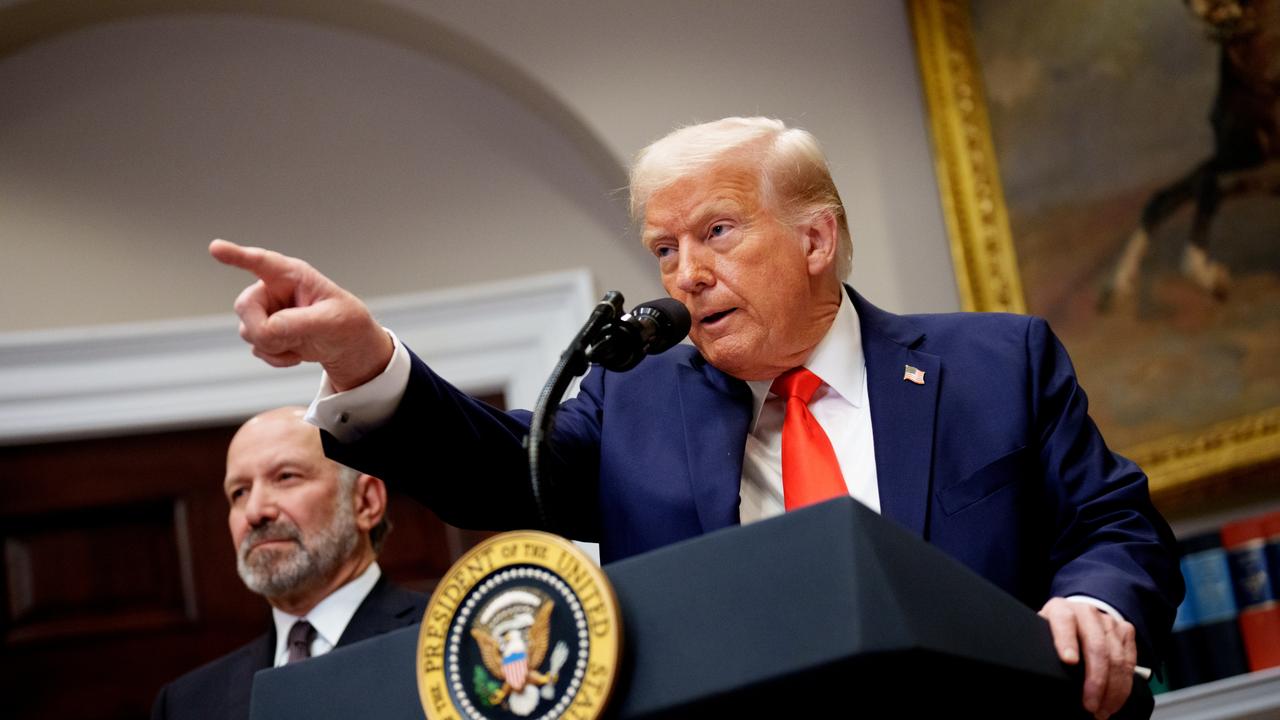
Pakistan’s Prime Minister Shehbaz Sharif has received an unexpected diplomatic invitation from former U.S. President Donald Trump to join an international “Board of Peace” focused on the Gaza Strip. This initiative is intended to coordinate post-conflict reconstruction and long-term governance in Gaza, placing Pakistan in a rare and high-profile position in global diplomacy.
The invitation was confirmed by Pakistan’s Ministry of Foreign Affairs, which emphasized that Islamabad remains committed to international efforts promoting peace and stability in Gaza. The statement reiterated Pakistan’s long-standing support for a lasting resolution to the Palestinian issue in accordance with United Nations resolutions.
The Board of Peace: Purpose and Controversy
The so-called Board of Peace is part of a broader U.S.-backed effort aimed at guiding Gaza’s reconstruction, overseeing humanitarian assistance, and coordinating political and security measures following years of armed conflict. Invitations have reportedly been extended to several world leaders, including regional figures such as Jordan’s King Abdullah, as well as high-profile international personalities with diplomatic and economic expertise.
Supporters of the board describe it as a novel forum for multilateral collaboration, combining political, economic, and governance experience to stabilize Gaza. However, critics argue that the board lacks direct representation from Palestinians themselves and may concentrate influence in the hands of outside powers, raising questions about its legitimacy. Others worry that U.S.-led coordination could sideline traditional international institutions, including the United Nations.
Pakistan’s Position on Palestine
Pakistan has historically been a staunch supporter of the Palestinian cause. Islamabad does not maintain formal diplomatic relations with Israel and has consistently called for a sovereign Palestinian state based on pre-1967 borders. Pakistani leaders regularly raise the issue in international forums, advocating for Palestinian rights and emphasizing that any long-term peace must respect the will of the Palestinian people.
Accepting the invitation places Pakistan in a delicate position. It provides an opportunity to influence international decisions regarding Gaza while signaling that Islamabad is willing to participate in high-level diplomatic initiatives alongside major Western powers. At the same time, it risks domestic criticism, as segments of Pakistani society may view participation as complicity in a process that does not directly involve Palestinians.
Global Reactions and Implications
The announcement of the board has already prompted discussions across the Middle East and beyond. Countries such as Jordan and Egypt, which maintain formal diplomatic relations with Israel, are carefully weighing their involvement. The U.S. hopes that by including regional powers with influence, the board can effectively coordinate reconstruction and governance efforts while mitigating tensions.
At the same time, some Israeli officials have voiced objections, criticizing the board’s formation as insufficiently coordinated with Tel Aviv and questioning the inclusion of figures and nations perceived as unfriendly to Israeli policies. In the broader Muslim world, analysts have also questioned whether the board can effectively address the needs of Gaza’s residents without including direct Palestinian input in leadership roles.
The initiative has also drawn attention from international observers concerned about how this new mechanism will interact with existing multilateral institutions. Critics suggest that the board’s potential influence in Gaza could overlap or even conflict with mandates held by the United Nations or other established international bodies.
Reconstruction, Humanitarian Aid, and Governance Challenges
Gaza remains in a fragile state following repeated conflicts, facing humanitarian, infrastructural, and economic crises. The board is envisioned as a coordinating body to oversee reconstruction, facilitate aid distribution, and establish governance mechanisms to stabilize the region. Financial commitments from participating nations may be necessary, with discussions reportedly considering multi-billion-dollar contributions to support infrastructure rebuilding and social programs.
Pakistan’s role, should it accept the invitation, is likely to focus on diplomatic coordination, advocacy for Palestinian rights, and monitoring of humanitarian assistance, rather than direct governance. This approach aligns with Pakistan’s foreign policy while allowing it to contribute to a global initiative seeking stability in Gaza.
Regional and Domestic Considerations
Domestically, the Pakistani government must navigate public opinion carefully. Any perceived compromise on the Palestinian cause could trigger political criticism or social backlash, particularly from religious and activist groups. Analysts suggest that Islamabad will weigh the diplomatic benefits against potential domestic pressures before confirming its participation.
Regionally, the board’s formation may influence relationships among Middle Eastern countries. States like Jordan and Egypt could serve as intermediaries between Western powers and local Palestinian leadership. Including Pakistan in this forum signals a potential expansion of international voices beyond traditional Middle Eastern actors, giving Islamabad a platform to advocate for Muslim-majority nations’ interests in global peace processes.
Future Prospects
Pakistan has not yet publicly stated whether it will accept the invitation, but officials have emphasized that any engagement would align with its longstanding policy of supporting Palestine and adhering to international law. Observers suggest that Islamabad’s decision could have implications beyond Gaza, shaping its role in broader Middle East diplomacy and its engagement with Western powers on global peace initiatives.
The board itself represents both opportunity and risk. Its success will depend on balancing the interests of multiple countries, respecting Palestinian perspectives, and delivering tangible improvements in Gaza. If implemented effectively, it could become a model for international collaboration in post-conflict regions. Conversely, if it fails to address the concerns of those most affected, it risks becoming another contentious diplomatic experiment.
For Pakistan, the invitation underscores its unique position as a country that is both a vocal supporter of the Palestinian cause and an emerging player in international diplomacy. How it chooses to engage could influence not only the future of Gaza but also Pakistan’s broader global image and its credibility as a mediator in international peace efforts.
Medieval History: Important Empires, Battles & Developments | Maya

;img.crop(width:1080%2Cheight:608) "Hope in Sharm el-Sheikh: Inside the Israel–Hamas Peace Talks")