Strike on Iranian Energy Infrastructure Signals Dangerous Escalation- Tensions in the Middle East have taken a sharp and concerning turn after Israel carried out a major strike on Iran’s energy infrastructure, reportedly hitting the strategically vital South Pars–Asaluyeh petrochemical complex. This facility is not just another industrial site—it is central to Iran’s oil and gas production and plays a crucial role in sustaining the country’s economy. By targeting such a significant asset, the conflict appears to be entering a more dangerous and far-reaching phase.
Initial reports suggest that the attack caused powerful explosions and widespread fires, disrupting key support systems such as electricity and water supplies. While the full scale of the damage is still being evaluated, the strike is expected to impact Iran’s production capacity in the short term. Given the importance of the facility, even limited disruption could have ripple effects across the country’s energy sector and export revenues.
Israel’s move signals a notable shift in strategy. Until recently, much of the focus had been on military installations and direct security threats. However, striking energy infrastructure indicates a broader approach aimed at weakening Iran’s economic foundation. By targeting a sector that generates revenue and supports national resilience, Israel may be seeking to limit Iran’s ability to sustain prolonged confrontation.
At the same time, this kind of attack significantly raises the stakes. Energy facilities are not only economically valuable but also deeply interconnected with civilian life. Damage to such infrastructure can disrupt essential services, affect livelihoods, and create environmental risks. For this reason, attacks on these targets are often viewed as highly escalatory and controversial under international norms.
The broader geopolitical context adds to the seriousness of the situation. The Strait of Hormuz—one of the world’s most critical oil transit routes—has already been under strain amid rising tensions. Any disruption in or around this corridor can have immediate consequences for global energy supply. A strike on Iran’s energy sector increases fears that the conflict could spill over into shipping lanes or trigger retaliatory actions that further destabilize oil flows.
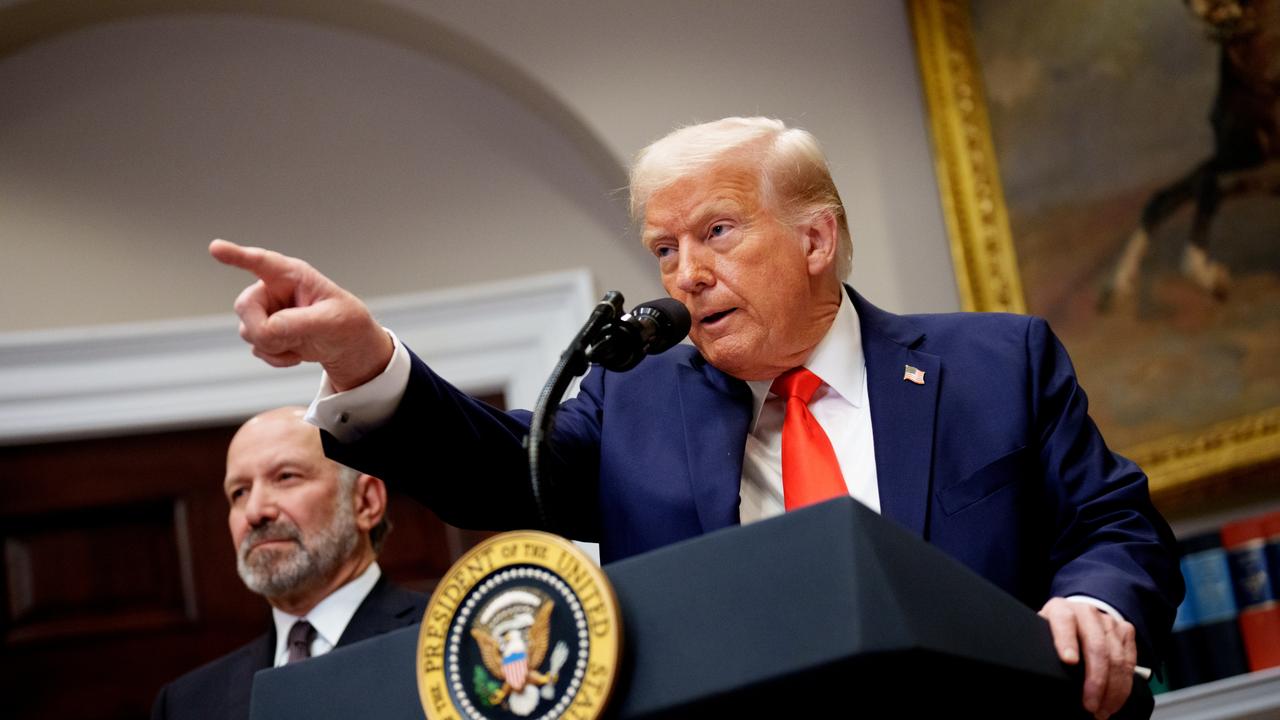
The United States has also played a role in shaping the current environment. President Donald Trump recently issued strong warnings to Iran, urging it to ensure that maritime traffic through the Strait of Hormuz remains uninterrupted. He signaled that failure to do so could result in severe consequences, including potential attacks on Iranian infrastructure. Although Washington has not officially linked itself to Israel’s latest strike, the timing has led many observers to see a connection in terms of strategic pressure.
Iran, for its part, has reacted with sharp condemnation. Officials have described the strike as an act of aggression and have warned that continued targeting of economic or civilian infrastructure will be met with serious retaliation. Tehran has already demonstrated its ability to project force across the region, and further escalation could draw in multiple actors, increasing the risk of a wider conflict.
International reactions have largely centered on calls for restraint. Governments and global organizations are increasingly concerned that the targeting of infrastructure could set a dangerous precedent. Energy facilities, while strategically important, are also essential to civilian functioning, and their destruction can have long-term humanitarian and environmental consequences. The potential for miscalculation or unintended escalation remains high.
This incident also reflects a broader evolution in the nature of modern conflict. Increasingly, nations are focusing not only on military dominance but also on economic disruption. Infrastructure such as energy plants, communication networks, and transport systems has become part of the battlefield. Weakening an opponent’s economic stability can undermine its overall capacity to sustain war, making such targets more attractive despite the risks involved.
For the global economy, the implications are immediate. Oil markets are highly sensitive to instability in the Middle East, and even the perception of risk can lead to price volatility. A prolonged disruption in Iran’s production or a broader regional escalation could push energy prices higher, affecting countries that rely heavily on imports. This, in turn, could contribute to inflation and economic uncertainty worldwide.
Looking forward, the situation remains unpredictable. Diplomatic efforts are ongoing, but progress appears fragile. With tensions already high, further strikes or retaliatory actions could quickly spiral into a larger confrontation. The involvement—direct or indirect—of major powers only adds to the complexity and risk.
In essence, Israel’s strike on Iran’s energy infrastructure marks a critical turning point. It highlights a shift toward targeting economic lifelines rather than purely military assets, signaling a more intense phase of conflict. At the same time, it underscores the urgent need for de-escalation. Without careful handling, the consequences of this incident could extend well beyond the immediate region, affecting global stability, energy markets, and international security at large.
Did The Drama Go Too Far? Debate Grows Over Its Plot Twist | Maya