The New Middle East? Trump Says the Region Will Rise Stronger Than Ever- Donald Trump has once again made a bold prediction about the future of global geopolitics, declaring that the Middle East will emerge stronger than ever. His statement comes at a time when the region is facing rising tensions, military confrontations, and growing uncertainty. Yet, according to Trump, the current crisis may ultimately lead to a historic transformation that reshapes the Middle East politically, economically, and strategically.
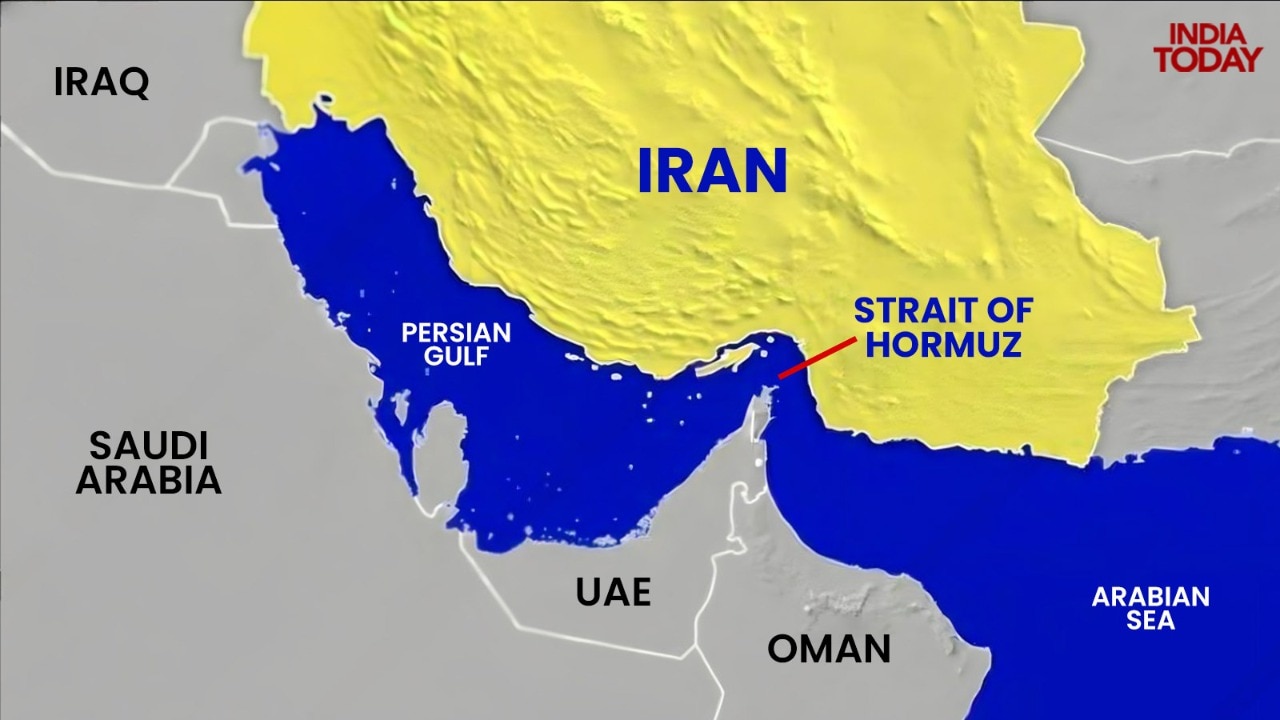
For decades, the Middle East has remained one of the most volatile regions in the world. Conflicts involving Iran, Israel, and several regional players have shaped global politics and energy markets. However, Trump’s latest remarks suggest that this instability could eventually give rise to a more stable and powerful regional order.
A Region Shaped by Crisis
History has shown that major geopolitical shifts often emerge from periods of conflict. The Middle East itself has undergone multiple transformations over the past century, from the collapse of empires to modern state formation. Trump appears to believe that the current tensions could trigger another wave of change.
With increasing military pressure, diplomatic negotiations, and shifting alliances, many countries in the region are reassessing their strategies. Some nations are moving closer together due to shared security concerns, while others are focusing on economic reforms to reduce long-term instability.
Trump’s vision suggests that the Middle East may be entering a turning point, where conflict eventually leads to cooperation and long-term stability.
The Role of New Alliances
One of the most significant developments in recent years has been the emergence of new diplomatic relationships. During his presidency, Trump played a key role in advancing the Abraham Accords, which normalized relations between Israel and several Arab nations.
Countries such as the United Arab Emirates and Bahrain established formal ties with Israel, marking a historic shift in regional diplomacy. Later, Morocco and Sudan also joined the agreements.
These developments signaled a major change in Middle Eastern politics. Instead of traditional rivalries, countries began focusing on shared economic interests and security cooperation. Trump now appears to suggest that the current crisis could accelerate this trend.
There is also growing speculation about future cooperation between Israel and Saudi Arabia. While formal relations have not yet been fully established, increasing diplomatic engagement indicates that further normalization could be possible in the future.
Economic Transformation and Mega Projects
Another factor driving Trump’s optimism is economic transformation. Many Middle Eastern countries are investing heavily in infrastructure, tourism, and technology to diversify their economies.
Saudi Arabia, for example, is working on ambitious projects such as NEOM — a futuristic mega-city designed to attract global investment and innovation. Similar initiatives across the region aim to reduce reliance on oil and create long-term economic growth.
If regional tensions decrease, these projects could accelerate, turning the Middle East into a major global hub for trade, energy, and technology.
Strategic and Security Realignment
Trump’s foreign policy has often focused on the concept of peace through strength. His supporters argue that stronger deterrence and clearer power structures could reduce long-term instability.
With shifting alliances and evolving military capabilities, countries in the Middle East are redefining their security strategies. Some analysts believe this could lead to a more stable balance of power, reducing the chances of large-scale conflicts.
However, the situation remains complex. Tensions involving Iran, Israel, and other regional players continue to create uncertainty. The presence of proxy conflicts and geopolitical competition makes any transformation challenging.
Skepticism and Uncertainty
While Trump’s prediction is optimistic, many experts remain cautious. The Middle East still faces deep-rooted political, religious, and territorial disputes. Conflicts that have lasted decades cannot be resolved overnight.
Additionally, economic reforms and diplomatic agreements require time, stability, and sustained cooperation. Critics argue that while transformation is possible, it may take years or even decades to fully materialize.
Nevertheless, Trump’s statement reflects a growing belief among some policymakers that the Middle East is entering a new era. With shifting alliances, economic modernization, and strategic realignment, the region could gradually move toward stability.
A New Middle East Emerging?
Trump’s claim that the Middle East will become “better than ever” may sound ambitious, but history shows that dramatic transformations often follow major crises. The region is already experiencing shifts in diplomacy, economics, and security.
Whether these changes lead to lasting peace remains uncertain. However, the possibility of a stronger and more stable Middle East is gaining attention as global powers closely monitor developments.
If Trump’s prediction proves accurate, the current period may be remembered as a historic turning point — the moment when the Middle East began transforming from a region defined by conflict into one shaped by cooperation, growth, and opportunity.