The World’s Largest Oil Treasure and the Geopolitical Crisis in Venezuela
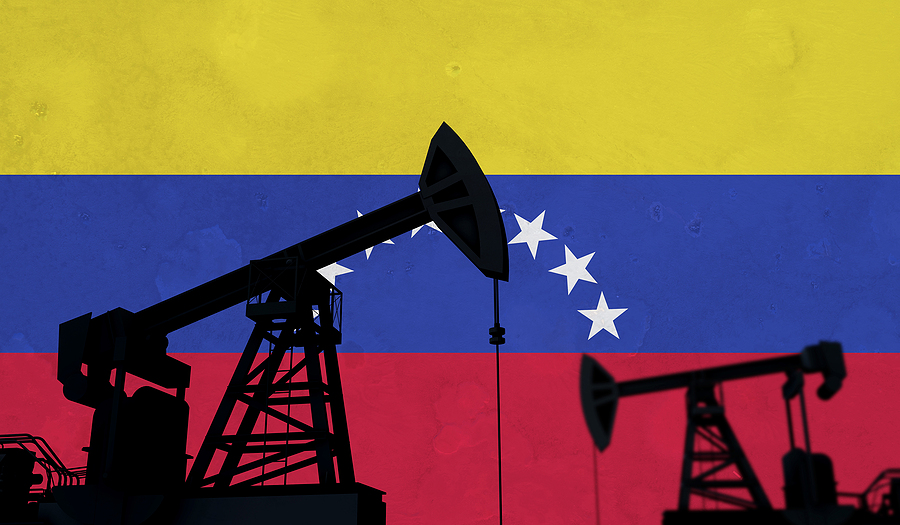
Venezuela, a country rich in natural beauty and natural resources, has long been recognized for its vast oil wealth. Today, it is at the center of one of the most intense geopolitical crises in the Western Hemisphere. At the heart of this conflict is not just politics or ideology, but the world’s largest proven oil reserves, making Venezuela a prize of immense strategic importance.
Venezuela’s Oil Wealth: A Global Powerhouse
Venezuela holds over 300 billion barrels of proven crude oil, accounting for nearly one-fifth of the world’s total reserves. This makes it the largest oil reserve holder on the planet, surpassing even Saudi Arabia. These reserves are mainly concentrated in the Orinoco Oil Belt, a region spanning more than 55,000 square kilometers in eastern Venezuela.
Unlike lighter crude oil found in other regions, Venezuela’s oil is heavy and extra-heavy, making it more challenging and costly to extract and refine. While difficult to process, this type of oil has tremendous value on the global market, especially if proper investment and technology are applied.
Despite this incredible resource, Venezuela’s oil production has drastically declined. Once producing over 3 million barrels per day in the 1970s and 1980s, today the country produces around 1 million barrels per day or less. Factors contributing to this decline include mismanagement of state-owned oil company PDVSA, crumbling infrastructure, political instability, and U.S. and international sanctions.
The Geopolitical Crisis: Oil as the Central Prize
Venezuela’s oil is more than a national resource—it is a strategic lever in global politics. In early 2026, a significant U.S. military operation resulted in the capture of President Nicolás Maduro, an event that shocked the world and highlighted the role of energy in international power struggles.
While the operation was officially justified as a move to combat corruption, organized crime, and restore democracy, many analysts believe the control of Venezuela’s oil reserves is a key underlying motive. In global geopolitics, the ability to influence or control major oil reserves provides leverage over energy supply, international markets, and foreign policy. Venezuela’s reserves, if fully utilized, could dramatically alter the balance of power in the global oil market.
Economic Implications and Global Oil Markets
Venezuela’s political instability has significant economic and market consequences. Years of sanctions, reduced production, and limited foreign investment have already restricted the country’s oil exports, particularly to major buyers like China. The recent crisis has added volatility to oil prices, global stock markets, and investment forecasts.
If properly stabilized and managed, Venezuela’s reserves could contribute significantly to global oil supply, which would give its leadership substantial influence over international energy prices. However, heavy crude requires advanced refining technology, which is why foreign investment and partnerships are essential.
Challenges to Unlocking Venezuela’s Oil Potential
Despite having the largest proven oil reserves in the world, Venezuela faces major hurdles to fully exploiting them:
-
Heavy and Extra-Heavy Crude: Requires advanced extraction and refining, which is costly.
-
Aging Infrastructure: Many pipelines, refineries, and drilling equipment are outdated or in disrepair.
-
Political Instability: Governance issues and sanctions have discouraged foreign investment.
-
Economic Mismanagement: Previous decades of state control without adequate investment have reduced productivity.
Without careful planning and investment, attempts to increase production could fail, creating market disruptions rather than stability.
Trump’s Objectives in Venezuela
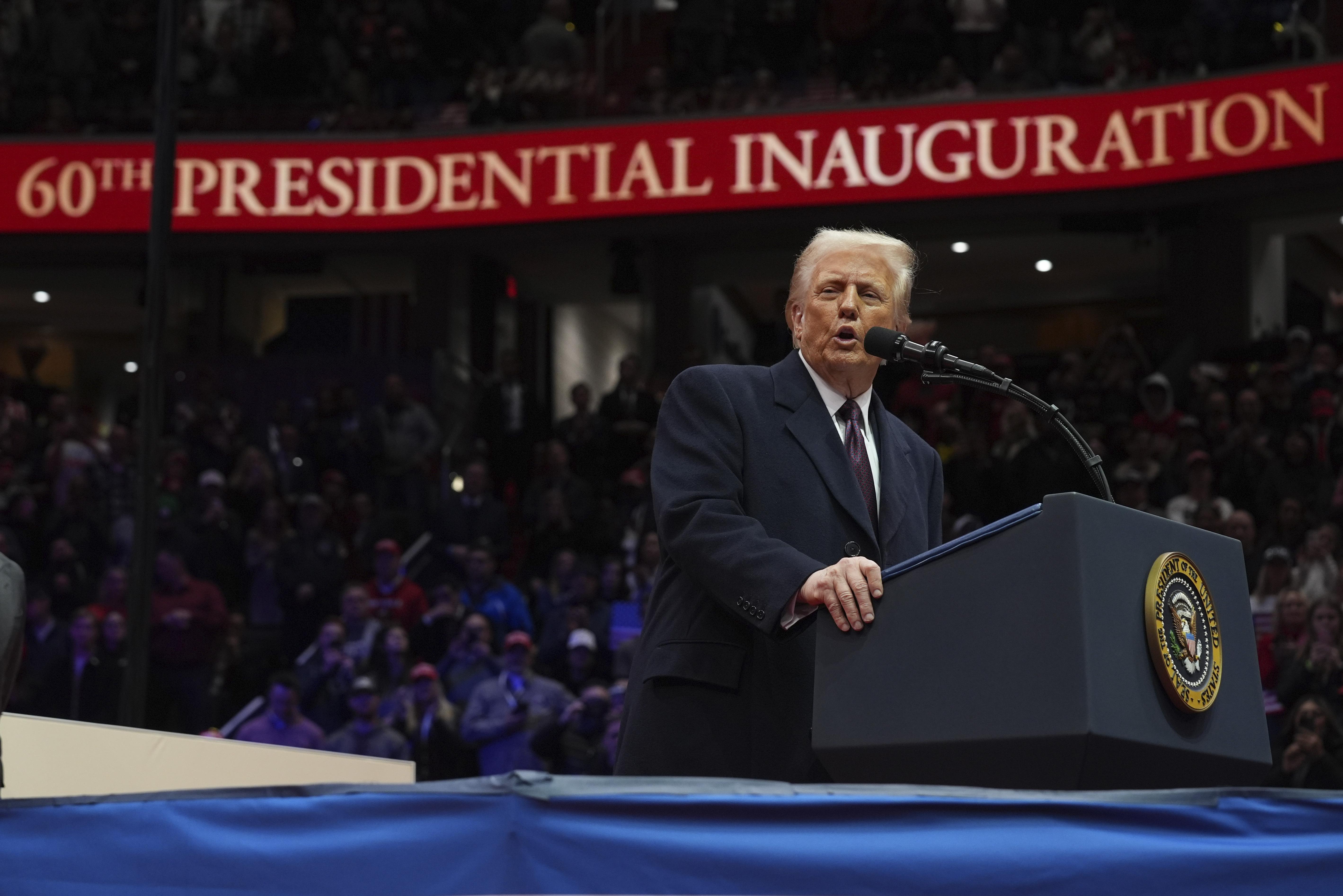
Former U.S. President Donald Trump and his administration have made it clear that Venezuela’s oil reserves are a strategic priority. Reports and statements suggest that Trump aims to:
-
Regain U.S. influence over Venezuela’s energy sector: By involving American oil companies, the U.S. can directly influence production, export routes, and pricing.
-
Secure energy supply chains: Venezuela’s oil could become a key source for both domestic and allied energy needs, reducing dependence on other volatile regions.
-
Shift geopolitical alliances: By controlling or influencing Venezuela, the U.S. can reduce China and Russia’s influence in Latin America, where both nations have historically maintained close ties with Maduro’s government.
-
Leverage oil for economic and political goals: Beyond energy, controlling Venezuela’s reserves would provide a bargaining chip in negotiations on trade, security, and sanctions.
In short, Trump’s interest is not just in short-term profits—it is about long-term strategic influence, energy security, and reshaping the geopolitical balance in the Americas.
Conclusion
Venezuela’s oil reserves are both a blessing and a source of conflict. They represent immense potential wealth and global influence, yet they have also made the country a focal point of international competition and domestic instability.
The current geopolitical crisis underscores a vital truth: control over natural resources continues to shape global politics. Venezuela, with its massive oil reserves, is a living example of how energy wealth can drive power struggles, influence markets, and determine the course of nations.
As the situation unfolds, the world watches closely to see how Venezuela’s oil treasure will be managed, who will control it, and how it will shape the future of global energy and international relations.