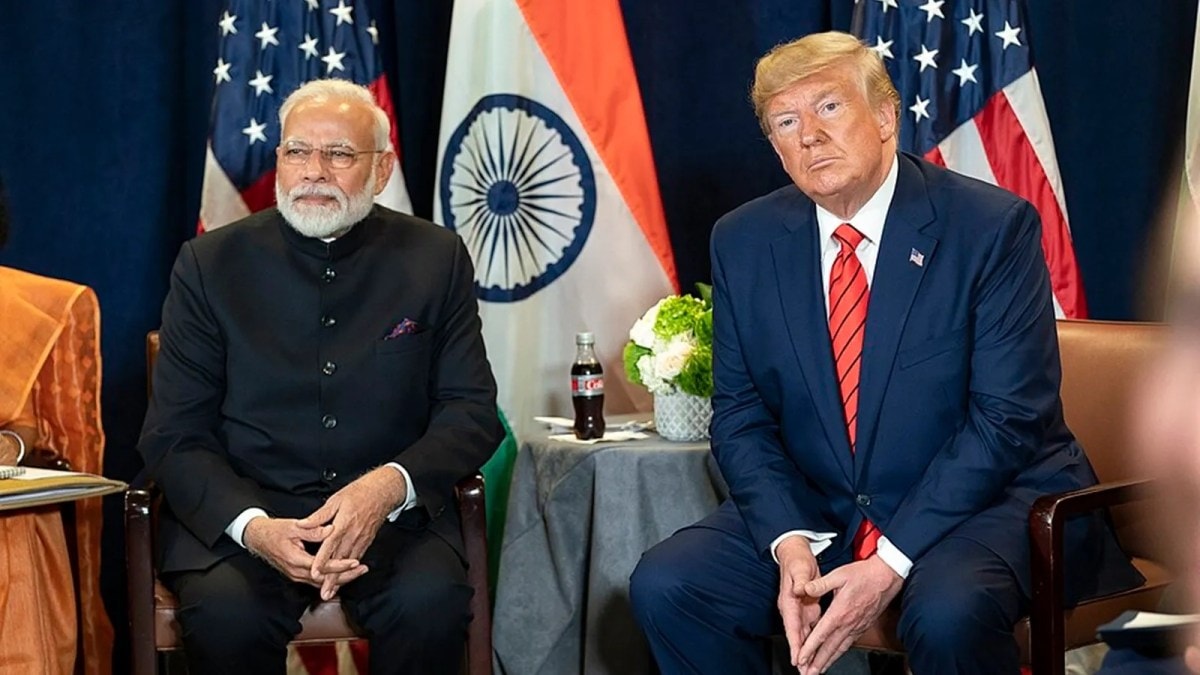
Trump Delivers Big Win: Landmark U.S.–India Trade Deal Opens Markets for American Goods
Washington / New Delhi — In a significant diplomatic and economic breakthrough, President Donald Trump announced a landmark trade agreement with India, marking a major victory for American businesses and workers. The deal, finalized after a direct call between Trump and Indian Prime Minister Narendra Modi, opens new avenues for U.S. exports, strengthens strategic ties, and positions the United States as a decisive force in shaping global trade. Observers describe this as one of the most consequential trade victories in recent years, reflecting Trump’s signature approach of negotiating from strength and prioritizing American interests.
A Game-Changing Deal for U.S. Commerce
The trade agreement introduces substantial changes to the way the two nations conduct commerce. Central to the pact is a sharp reduction in U.S. tariffs on Indian goods, dropping to 18% from previously punitive rates that had reached as high as 50% in some categories. This move not only reduces friction for Indian exports but also secures reciprocal commitments from India to reduce trade barriers for American products.
Under the deal, Indian authorities have agreed to increase purchases of U.S. goods across multiple sectors, including agriculture, energy, technology, defense equipment, and aircraft. This is expected to benefit American farmers, manufacturers, and energy producers directly. For the agricultural sector, India represents a rapidly expanding market for products such as soybeans, wheat, dairy, and meat, offering a critical boost to American farm incomes. Energy producers, particularly those supplying crude oil, natural gas, and refined products, stand to gain from India’s commitment to purchase U.S. energy resources, strengthening the United States’ position as a reliable global supplier.
President Trump emphasized that the deal is a win for American jobs, pointing out that the expanded exports will help sustain industries across multiple states. In his announcement, Trump framed the agreement as a demonstration that strong leadership and strategic negotiation can deliver tangible results for American workers and industries, fulfilling his long-standing promise to prioritize U.S. economic interests in global trade agreements.
Strategic Energy Shift
Beyond its economic significance, the trade agreement carries substantial geopolitical and energy implications. As part of the deal, India has agreed to reduce purchases of Russian oil, a move that strengthens the United States’ energy influence globally while aligning India more closely with Western energy policies. This development positions U.S. energy companies as primary suppliers to one of the world’s largest and fastest-growing energy markets.
By channeling Indian demand toward American energy exports, the Trump administration is also advancing its broader goal of reducing global dependence on rival energy suppliers. Analysts suggest this strategy enhances U.S. leverage in international negotiations and bolsters American energy dominance, while simultaneously opening new opportunities for private sector growth and job creation.
Economic Impact on Both Nations
The trade deal is expected to have a broad and positive impact on the economies of both the United States and India, although the benefits are particularly pronounced for American industries. With India opening its markets to more U.S. goods, American exporters gain a foothold in a nation with over 1.4 billion consumers and growing purchasing power.
The agreement is projected to increase U.S. exports by tens of billions of dollars annually, providing a direct stimulus to sectors that have struggled to gain access to foreign markets. Manufacturing, agriculture, energy, and high-tech industries stand to benefit the most, translating into additional employment opportunities and economic growth.
Financial markets reacted positively to the announcement, reflecting investor confidence in stronger trade flows. Indian stock indices rose, and the rupee strengthened, indicating optimism that increased trade and investment will contribute to long-term economic stability. In the United States, industry associations and policymakers hailed the agreement as a concrete victory for American competitiveness, noting that it represents a clear return on Trump’s persistent focus on bilateral trade negotiations.
Trump’s Leadership Style on Display
President Trump has consistently emphasized a results-oriented approach to trade, arguing that American negotiators must prioritize jobs, industry growth, and fair market access. The India deal exemplifies this strategy, delivering concrete benefits for American producers while fostering stronger diplomatic ties with a key strategic partner.
In his public statement, Trump noted that the deal demonstrates the United States’ ability to negotiate from strength. He framed it as proof that decisive leadership produces tangible outcomes, contrasting it with previous administrations that, according to Trump, often made concessions without securing significant advantages for U.S. workers and industries.
Trump also highlighted the personal relationship he has cultivated with Prime Minister Modi, emphasizing that mutual respect and direct dialogue were crucial in facilitating the deal. He described the agreement as a historic milestone in U.S.–India relations, one that sets the stage for continued economic and strategic collaboration.
Long-Term Implications for U.S.–India Relations
While the immediate impact of the trade agreement is economic, the broader implications extend to geopolitics and global trade norms. By aligning India more closely with U.S. policies on energy and commerce, the deal enhances Washington’s influence in the Indo-Pacific region and strengthens the bilateral partnership beyond trade alone.
Analysts note that the pact could pave the way for future agreements on intellectual property, digital trade, and regulatory standards, further solidifying U.S. leadership in setting the rules for 21st-century commerce. The deal also signals to other nations that the United States is committed to securing fair trade relationships that prioritize American jobs and industries.
A Win for American Workers
At its core, the deal is a victory for American workers across multiple sectors. Expanded exports to India mean more demand for products manufactured in the United States, more agricultural shipments, and more energy production — all of which contribute to job creation and economic growth. The Trump administration sees this as a central achievement of its economic agenda, demonstrating the potential of bilateral trade deals to deliver real benefits at home.
In addition to immediate economic gains, the agreement may enhance long-term competitiveness for U.S. industries by establishing reliable, large-scale markets for American products. By ensuring that India commits to purchasing U.S. goods, the administration has reduced market uncertainty and provided a foundation for sustained growth.
Looking Ahead
Officials in Washington emphasize that the agreement represents only the first step in a broader strategic and economic partnership with India. Future negotiations could explore areas such as digital commerce, intellectual property protections, and high-tech manufacturing collaboration. While some details, including the exact scale of U.S. exports under the agreement, remain to be finalized, the consensus among policymakers and industry leaders is that this deal represents a major foreign policy and economic achievement for the Trump administration.
As global competition intensifies, the U.S.–India trade pact demonstrates the effectiveness of assertive diplomacy coupled with practical economic policies. It reinforces the message that the United States, under Trump’s leadership, will pursue trade agreements that deliver measurable advantages for American workers, businesses, and industries.
In Summary
The U.S.–India trade deal is being hailed as a landmark achievement for the Trump administration. By opening Indian markets, reducing barriers to American exports, and strengthening strategic energy cooperation, the agreement delivers a clear win for American economic and geopolitical interests. It underscores the effectiveness of Trump’s leadership style — direct, results-oriented, and focused on securing tangible benefits for the United States — and sets a precedent for future trade negotiations around the world.
With the agreement now in place, both nations are poised to benefit from increased trade, enhanced cooperation, and stronger strategic alignment. For the United States, the deal is not just an economic win but a demonstration of global leadership and a reaffirmation that American interests come first in trade diplomacy.
Grammy Night Humor Leads to Public Dispute Over Epstein Joke | Maya