Trump Draws the Red Line: Iran Given Final Hours to Reopen Oil Route- The global geopolitical situation took a dramatic turn after Donald Trump issued a 48-hour ultimatum to Iran — reopen the Strait of Hormuz or face serious consequences. The warning immediately raised tensions across the Middle East and triggered concerns of a wider global conflict.
The Strait of Hormuz is considered one of the most important energy chokepoints in the world. Nearly one-fifth of global oil supply passes through this narrow waterway every day. Any disruption here has instant consequences — rising fuel prices, unstable markets, and economic pressure across multiple countries.
The 48-Hour Ultimatum
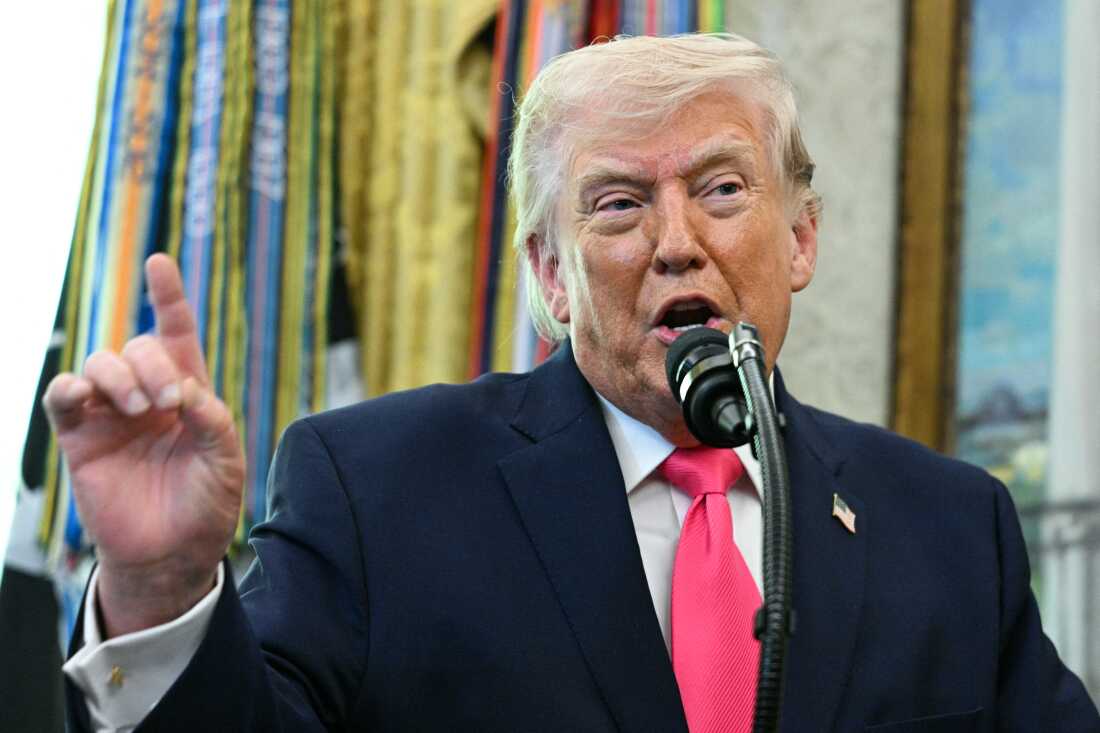
Trump’s message was firm and direct. He warned that if Iran failed to reopen the Strait within 48 hours, the United States would consider military action. The statement marked a major escalation in the already tense standoff.
This deadline created immediate global reactions. Governments began monitoring the situation closely, while financial markets responded with sharp uncertainty. Oil traders feared supply shortages, and shipping companies started reassessing their routes.
The ultimatum also represented a shift in strategy. Until now, pressure on Iran had largely been economic — sanctions, diplomatic pressure, and international isolation. But this new warning suggested military options were now on the table.
Why the Strait of Hormuz Matters
The Strait of Hormuz is more than just a shipping lane — it is the backbone of global energy supply. Major oil-producing countries rely on this narrow passage to export their resources to the world.
Countries heavily dependent on this route include:
Saudi Arabia
United Arab Emirates
Kuwait
Iraq
Qatar
These nations ship millions of barrels of oil daily through the strait. When access becomes uncertain, the global energy market reacts instantly.
Even small disruptions in this region can increase fuel prices worldwide. For countries like India, Japan, and several European nations, which rely heavily on imported oil, the consequences can be economically significant.
Iran’s Strategic Position
Iran holds a strong geographical advantage in this crisis. The country’s coastline runs along much of the Strait of Hormuz, allowing it to influence shipping routes and monitor naval movement.
This strategic position gives Iran powerful leverage during times of conflict. By restricting or threatening to restrict access, Tehran can impact global oil supply and increase pressure on rival nations.
Recent developments suggested that Iran allowed limited passage for certain vessels while restricting others. This selective access added uncertainty and confusion in global shipping markets.
The move also signaled that Iran was not easily backing down, despite the ultimatum.
Global Reactions and Rising Concerns
Trump’s deadline quickly became an international issue. Leaders around the world urged calm and de-escalation. Many countries emphasized that the Strait of Hormuz must remain open for global stability.
Energy-dependent nations began preparing contingency plans. Governments monitored fuel reserves, and businesses assessed the impact of potential oil price increases.
Meanwhile, military analysts warned that any confrontation in the region could spread quickly. The Middle East has historically been volatile, and a conflict involving major powers could expand beyond the region.
Oil Markets Under Pressure
As tensions rose, oil markets reacted immediately. Prices began fluctuating due to fears of supply disruption. Shipping companies started rerouting vessels to avoid potential danger zones.
Insurance costs for oil tankers also increased. Companies transporting oil through the region faced higher risks, which translated into higher global fuel costs.
This ripple effect impacted multiple sectors:
Transportation costs increased
Airlines faced rising fuel expenses
Manufacturing costs rose
Inflation concerns grew
Countries already dealing with economic challenges became especially vulnerable to this sudden instability.
Risk of Military Escalation
Trump’s ultimatum highlighted the possibility of military confrontation. Analysts warned that if conflict broke out, it could involve naval forces, missile strikes, and drone warfare.
Iran has invested heavily in defensive strategies, including coastal defenses and missile systems. Any military action in the Strait of Hormuz could become complex and prolonged.
This raised fears of:
Naval clashes in the Gulf
Disruption of global shipping routes
Regional escalation
Broader international involvement
Such developments could turn a regional crisis into a global confrontation.
Diplomacy Still in Play
Despite the strong rhetoric, diplomatic channels remained open. Reports suggested that discussions were ongoing behind the scenes. Both sides appeared to be weighing their next moves carefully.
Trump hinted that progress might be possible, suggesting that negotiations could still prevent escalation. This offered temporary relief, but uncertainty remained.
The situation continued to evolve rapidly, with global leaders urging restraint and dialogue.
The World Watches Closely
As the deadline approached, the world remained on edge. Governments monitored developments, markets fluctuated, and military forces stayed alert.
The crisis highlighted a powerful reality — a narrow waterway could influence the global economy.
Trump’s ultimatum drew a clear red line, but whether it leads to resolution or escalation remains uncertain.
One thing is clear: the Strait of Hormuz crisis has become a critical moment in global geopolitics.
And as the clock ticks, the world watches carefully — waiting to see whether diplomacy prevails or tensions escalate further.