Trump Issues Stark Warning to Iran: ‘Block Oil and Face Much Harder Hits’ Tensions in the Middle East have escalated dramatically as the conflict involving the United States, Israel, and Iran enters its eleventh day. U.S. President Donald Trump has delivered one of his strongest warnings yet to Tehran, saying that any attempt by Iran to disrupt global oil shipments would trigger a significantly more powerful military response. His remarks come amid rising fears that the war could expand across the region and cause serious disruption to global energy supplies.
Speaking to reporters, Trump made it clear that the United States would not tolerate interference with international oil trade. He warned that if Iran attempted to block or disrupt oil shipments, especially through the strategically important Strait of Hormuz, it would face attacks “much, much harder” than anything seen so far in the conflict. The statement highlights growing concerns about the security of one of the world’s most vital energy routes.
War Approaches a Critical Stage
The current conflict began on February 28 after the United States and Israel launched coordinated strikes on Iranian military infrastructure. Washington and Tel Aviv claimed the operations were necessary to counter Iran’s expanding missile capabilities and alleged nuclear activities. Since then, the war has intensified rapidly, with airstrikes, missile launches, and drone attacks reported across multiple areas of the Middle East.
According to U.S. officials, the campaign has targeted a wide range of Iranian military facilities, including air defense systems, missile bases, command centers, and naval installations. Trump has repeatedly suggested that the military operation is progressing faster than expected. During his latest comments, he claimed the conflict is “very far ahead of schedule” and suggested that the main objectives of the campaign may soon be achieved.
Despite that optimism, fighting has continued across several fronts. Iranian forces have reportedly launched retaliatory missile and drone attacks against regional targets, while allied groups aligned with Tehran have increased their activity in neighboring countries.
The Strategic Importance of the Strait of Hormuz
At the center of the escalating tension is the Strait of Hormuz, a narrow maritime passage that connects the Persian Gulf to the Gulf of Oman and the Arabian Sea. This critical waterway serves as the main export route for oil produced in the Gulf region. Roughly one-fifth of the world’s oil supply passes through the strait each day, making it one of the most strategically important shipping lanes on the planet.
Because of its economic significance, even the threat of disruption can send shockwaves through global energy markets. Iran has long warned that it could block the strait if it comes under severe military pressure or if its own oil exports are targeted. Such a move would have major consequences for the global economy, potentially causing energy prices to surge and triggering supply shortages in many countries.
Trump’s warning was directed precisely at this possibility. He emphasized that the United States and its allies would not allow any attempt to close the strait or restrict oil shipments. Military planners in Washington have reportedly been exploring several options to secure the waterway, including deploying naval escorts for commercial tankers and increasing the presence of U.S. warships in the region.
Oil Markets React to Rising Tensions
Financial markets have already begun reacting to the uncertainty surrounding the conflict. Global oil prices experienced sharp volatility in recent days as traders assessed the risk of supply disruptions. At one point, benchmark oil prices briefly surged above $100 per barrel, marking the highest levels seen in several years.
Although prices later eased slightly after Trump suggested the conflict could end sooner than expected, analysts say the situation remains extremely fragile. Energy markets tend to react quickly to geopolitical risks, especially when they involve key oil-producing regions such as the Middle East.
Experts warn that a prolonged conflict or a direct attempt by Iran to block the Strait of Hormuz could push prices significantly higher. Such a scenario would likely have ripple effects throughout the global economy, raising transportation costs, increasing inflation, and placing additional pressure on governments and consumers worldwide.
Casualties and Expanding Regional Impact
The ongoing conflict has already caused significant loss of life and widespread destruction. Reports from Iranian authorities suggest that more than a thousand people have been killed since the start of the war, including both military personnel and civilians. Several American troops have also died in attacks connected to the conflict, marking some of the first U.S. combat fatalities in the region in years.
Beyond Iran itself, the fighting has begun spreading into neighboring areas. Israeli forces have carried out strikes against groups linked to Tehran in Lebanon, particularly targeting positions associated with Hezbollah. The escalation has raised concerns that the war could broaden into a wider regional confrontation involving multiple actors.
Missile launches and drone activity have also been reported near several Gulf countries. Governments across the region have placed their air defense systems on high alert, fearing that the conflict could spill across borders and threaten critical infrastructure.
Leadership Change in Iran
Adding another layer of uncertainty to the situation is a major leadership transition inside Iran. Following the death of longtime Supreme Leader Ali Khamenei during the early phase of the conflict, Iran’s leadership structure underwent a rapid change. The country’s clerical establishment appointed his son, Mojtaba Khamenei, as the new Supreme Leader.
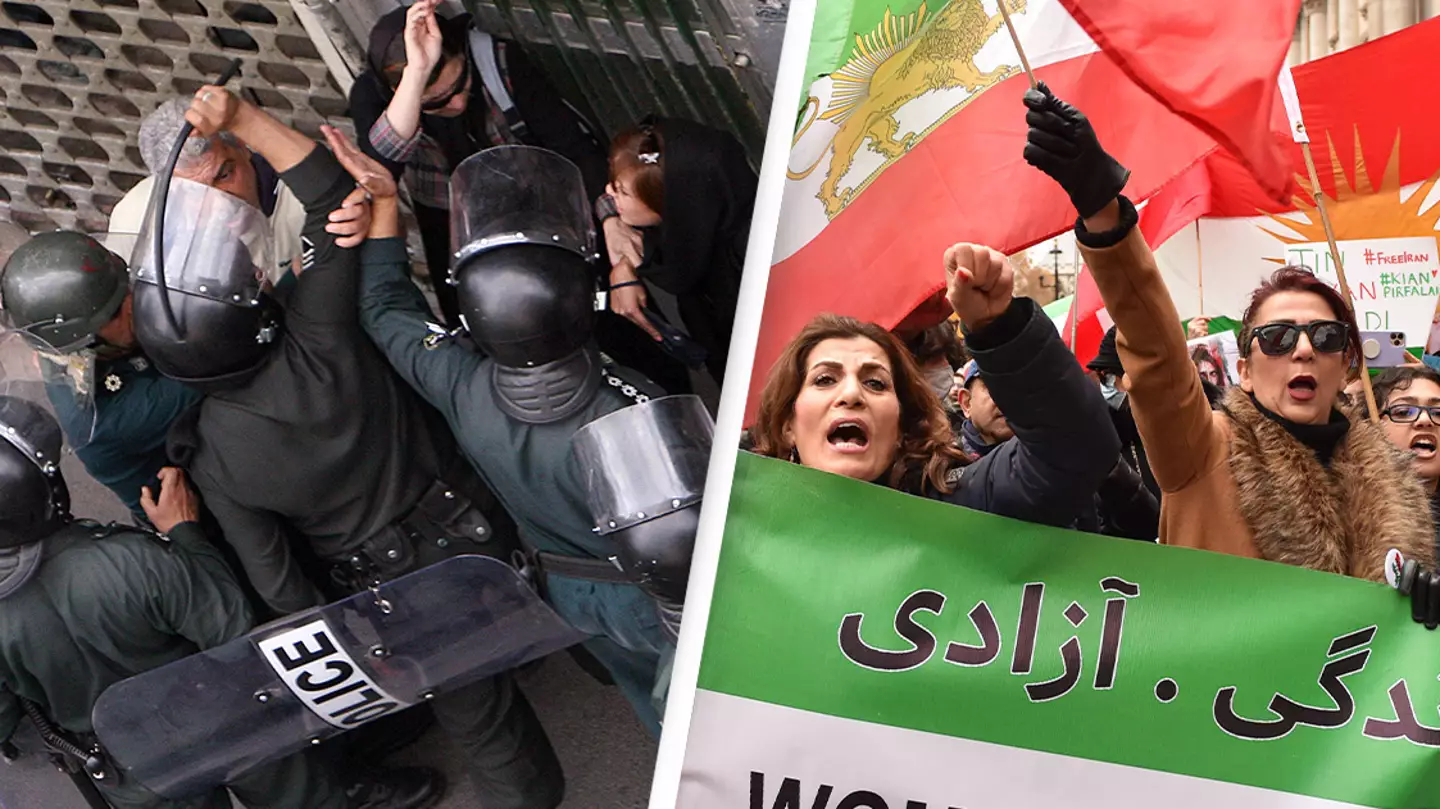
The decision has sparked both celebration and concern within Iran. Supporters of the ruling establishment have taken to the streets in large numbers, expressing loyalty to the new leader and calling for national unity during wartime. However, analysts believe Mojtaba Khamenei now faces an extremely difficult challenge as he assumes power during one of the most dangerous moments in Iran’s modern history.
Leading a country already under heavy sanctions and now engaged in a major military confrontation with two powerful adversaries places enormous pressure on the new leader. Many observers say his early decisions will shape the course of the conflict and determine whether tensions escalate further or move toward negotiation.
Global Concerns About the Conflict
The war has drawn attention from governments and international organizations around the world. Diplomatic efforts to de-escalate the crisis have so far produced little progress. Several countries have urged restraint from all sides, warning that a prolonged war in the Middle East could destabilize global energy markets and threaten international security.
Economic experts are particularly concerned about the impact on oil supplies. Many countries depend heavily on energy shipments from the Persian Gulf, and any disruption could quickly affect industries ranging from transportation to manufacturing.
The possibility of a wider regional conflict has also alarmed security analysts. If additional countries or armed groups become directly involved, the fighting could spread far beyond its current scope.
What Comes Next
Despite the escalating tensions, Trump continues to suggest that the conflict may not last much longer. He has repeatedly stated that the military campaign is progressing successfully and that key objectives are close to being achieved. However, the situation on the ground remains unpredictable, with both sides continuing to exchange threats and military actions.
Iran has indicated that it will not back down while under attack, and officials in Tehran have vowed to continue retaliatory strikes if U.S. and Israeli operations persist. Meanwhile, American and Israeli leaders insist that their actions are necessary to prevent future security threats.
For now, the world is watching closely as the situation unfolds. With global energy markets on edge and regional stability hanging in the balance, the coming days may prove crucial in determining whether the conflict begins to wind down or escalates into an even larger crisis.