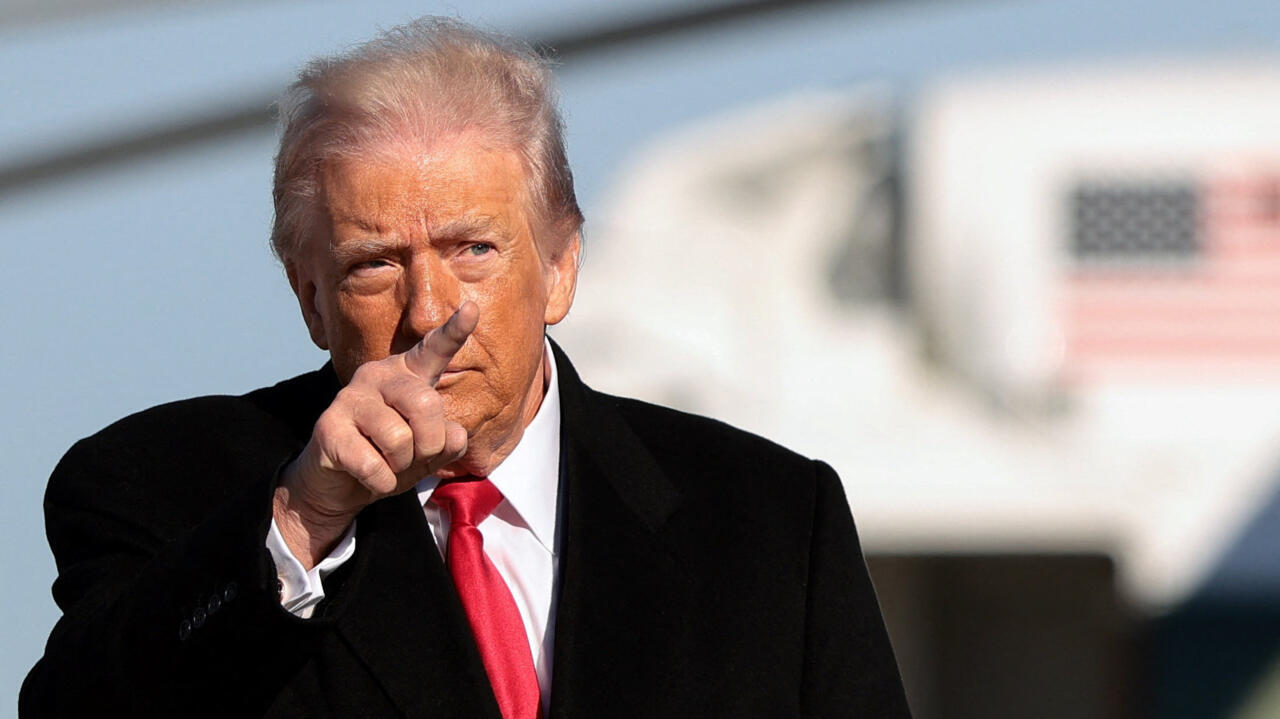
Trump Sets 10-Day Timeline on Iran as Military Option Looms
WASHINGTON, D.C. — In a tense convergence of diplomacy and military readiness, Donald Trump announced Thursday that the United States could decide within the next 10 days whether to take further action against Iran if the country fails to reach a nuclear agreement. Speaking at the launch of his newly formed Board of Peace, Trump stressed that while diplomacy remains the primary path, military options are on the table.
“We may have to take it a step further, or we may not,” Trump said. “You’ll be finding out over the next 10 days.” He warned that failure by Iran to reach a deal could bring “bad things,” framing the situation as urgent and consequential.
Diplomacy and Deterrence in Parallel
Trump’s announcement comes amid a dual-track approach by the U.S., balancing ongoing talks with preparations for potential military action. High-level U.S. officials have been engaging in indirect negotiations with Iranian representatives, aiming to resume discussions on limits to Iran’s nuclear program and expanded inspections. These talks have been facilitated by neutral intermediaries, with the hope of reaching a written agreement that addresses Washington’s longstanding concerns.
Simultaneously, the U.S. military has significantly reinforced its presence in the region. Reports indicate that aircraft carriers, fighter jets, and intelligence assets have been positioned to respond quickly if ordered. While the U.S. is prepared to act militarily, the decision ultimately rests with Trump, who has weighed both diplomatic and kinetic options in private consultations with advisors.
Israel Elevates Security
Israel has also raised its alert level, reflecting concern over the possibility of a coordinated U.S.-Israeli operation targeting Iranian nuclear and missile facilities. Israeli officials have publicly emphasized the risks posed by Iran’s ballistic missile program and its nuclear ambitions, signaling that they could take independent military action if diplomatic efforts falter. The heightened readiness underscores the regional implications of Trump’s impending decision.
Iran’s Defiant Posture
Iran has maintained a firm stance, declaring that its armed forces remain on high alert and that any military action would be met with a decisive response. Iranian leaders continue to assert that the country has no intention of developing nuclear weapons, though their claims are viewed skeptically by U.S. and allied officials. Domestically, Iran faces pressure to resist perceived coercion, particularly in light of prior conflicts and airstrikes in the region that have shaped public and military attitudes.
Other major global powers, including Russia and China, have called for restraint, emphasizing the importance of diplomacy and warning against unilateral military actions. Meanwhile, Gulf states have pledged support for regional stability initiatives, reflecting concerns about the wider implications of any escalation in the Middle East.
Economic and Strategic Implications
The mere possibility of a confrontation has already affected global markets. Oil prices surged on Friday, driven by concerns about disruption in key production and shipping regions. Insurance rates for ships passing through the Persian Gulf and nearby straits also rose, reflecting the increased perceived risk. Analysts warn that a military escalation could reverberate far beyond the region, affecting energy markets, supply chains, and geopolitical alliances worldwide.
Strategically, the outcome of this 10-day window could reshape the U.S.’s role in the Middle East. A successful diplomatic deal would stabilize tensions temporarily, while a failure could prompt military action that would involve multiple countries, impact proxy conflicts, and alter the balance of power in the region.
The Critical Countdown
Trump’s declaration of a 10-day decision period has focused international attention. If Iran presents a credible plan to curb nuclear activities and allow comprehensive inspections, diplomacy could still prevail. If not, the U.S. appears ready to pivot toward a show of force, potentially alongside Israeli coordination.
The administration insists that it prefers negotiation, yet the military presence, regional alert levels, and increasingly stern rhetoric suggest that contingency planning for conflict is well underway. Governments, investors, and international organizations are watching closely, aware that the coming days could bring a turning point in one of the most significant standoffs in the Middle East in recent years.
As the clock ticks, the global community is left to weigh the potential for diplomacy against the specter of conflict, with outcomes that could have far-reaching implications for security, energy, and regional stability.