Trump: “They Cannot Have Nuclear Weapons” Amid Growing Middle East Tensions
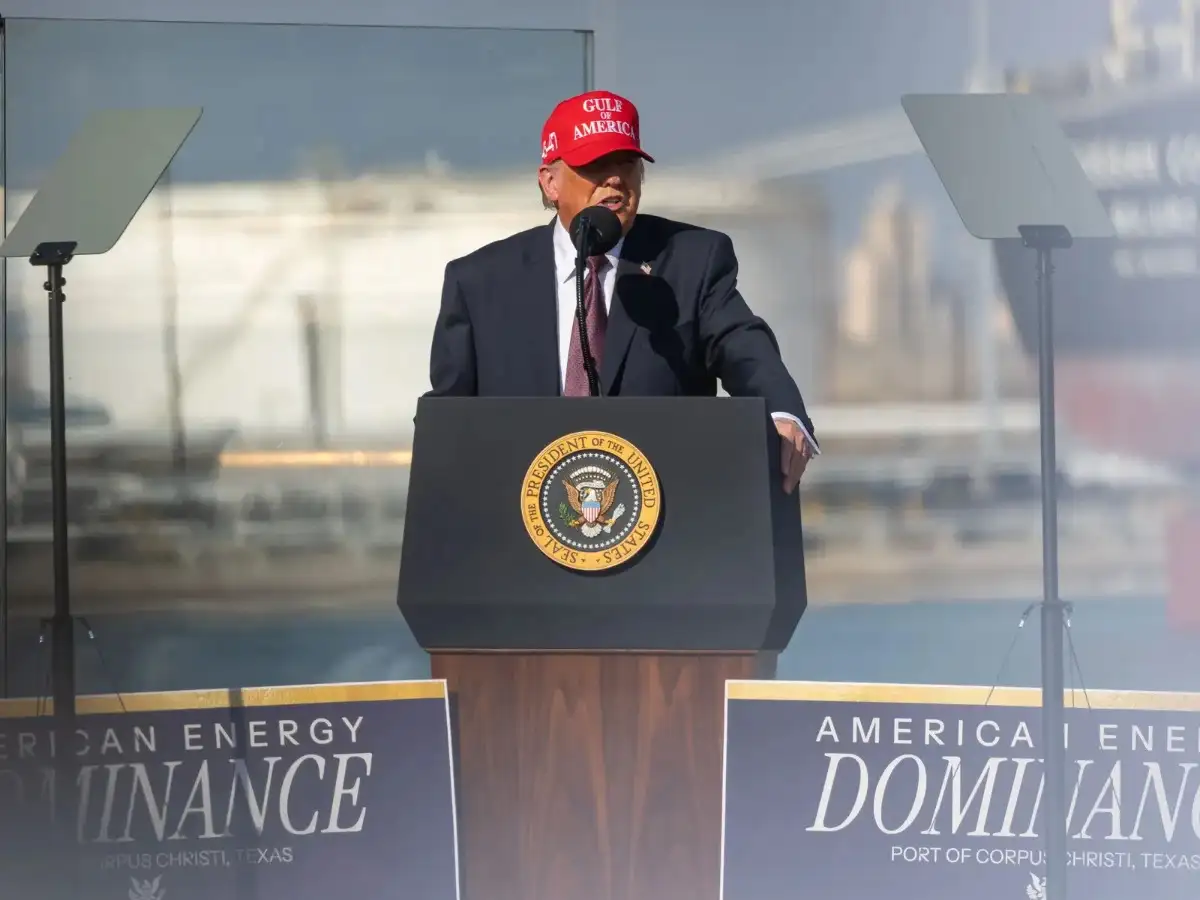
TEL AVIV, Israel — President Trump said Friday he is “not happy” with the latest round of nuclear negotiations between the United States and Iran, warning that Tehran “cannot have nuclear weapons” while leaving open the possibility that talks could still avert military action.
His comments came a day after U.S. envoys met Iranian representatives in indirect talks in Geneva. The negotiations ended without a breakthrough, though technical discussions are scheduled to continue next week in Vienna.
“We’re not exactly happy with the way they’re negotiating,” Trump told reporters as he departed the White House. While he declined to say how close he was to ordering a strike, he made clear that the military option remains on the table.
Diplomacy Under Strain
The talks are being mediated by Oman, whose foreign minister, Badr al-Busaidi, urged patience and insisted that a deal remains within reach. Speaking after meetings in Washington, he suggested significant gaps had narrowed and called on the U.S. administration to give negotiators “enough space” to close remaining issues.
Al-Busaidi also met with Vice President JD Vance, describing the discussions as constructive. According to the Omani mediator, Iran has indicated willingness to give up existing stockpiles of enriched uranium, refrain from accumulating more, and accept comprehensive inspections — though such claims have not been publicly confirmed by U.S. officials.
Iran’s foreign minister, Abbas Araghchi, said Tehran’s position has been “clearly spelled out,” reiterating that Iran seeks sanctions relief in exchange for limits — but not a complete halt — to uranium enrichment. Iranian officials continue to argue that enrichment is a sovereign right for peaceful energy purposes.
Trump, however, has taken a harder line, saying he does not believe the oil-rich nation needs to enrich uranium at any level. “They cannot have nuclear weapons,” he repeated Friday.
Military Movements Raise Stakes
The diplomatic uncertainty comes as U.S. forces increase their presence across the Middle East. One aircraft carrier strike group is already deployed in the region, and another is en route, according to defense officials. Iran has warned it would retaliate against American bases and interests if attacked.
The growing military posture has fueled fears of a broader regional conflict. The head of the International Atomic Energy Agency, Rafael Grossi, confirmed this week that inspectors have not regained access to certain Iranian nuclear facilities damaged during last year’s brief but intense conflict between Israel and Iran. Without renewed inspections, the agency says it cannot independently verify Tehran’s claims that it has halted higher-level enrichment activities.
At the United Nations, Secretary-General António Guterres urged both sides to remain focused on diplomacy, warning of “very worrying military movements” across the region. He noted that while public rhetoric has hardened, private diplomatic channels remain active.
Rubio Heads to Israel
Secretary of State Marco Rubio is scheduled to travel to Israel early next week for consultations with Israeli leadership. The State Department said the trip would focus on Iran, Lebanon, and broader regional priorities.
Israeli Prime Minister Benjamin Netanyahu has long advocated a tougher approach toward Tehran and has repeatedly warned that Israel would act independently if necessary to prevent Iran from acquiring nuclear weapons capability.
The U.S. Embassy in Jerusalem has authorized voluntary departures for nonessential personnel and family members, signaling concern over potential escalation. Ambassador Mike Huckabee urged staff considering departure to leave quickly while commercial flights remain available.
Airlines have also begun adjusting operations. The Dutch carrier KLM announced it would suspend flights from Tel Aviv, citing the security situation. Several European and Asian governments have advised citizens to avoid travel to the region or to depart while possible.
Additional Pressure Measures
In a separate move, Rubio designated Iran as a “state sponsor of wrongful detention,” citing the continued imprisonment of Americans and other foreign nationals. He also raised the possibility of restricting the use of U.S. passports for travel to Iran, similar to existing restrictions involving North Korea.
Such measures would add to the already heavy sanctions regime imposed on Tehran, which Iranian officials say must be lifted as part of any comprehensive nuclear agreement.
A Critical Juncture
Despite Trump’s pessimistic tone, the continuation of technical talks in Vienna and Rubio’s planned visit to Israel suggest that Washington has not yet closed the door on diplomacy. Analysts note that public rhetoric often hardens during sensitive negotiations, particularly when military leverage is being emphasized.
The coming days may prove decisive. If negotiators can bridge differences over enrichment limits, inspections, and sanctions relief, a deal could reduce immediate tensions. Failure, however, could push the region closer to confrontation at a moment when multiple flashpoints already strain stability.
For now, Trump appears to be balancing pressure with patience — projecting resolve while allowing diplomatic channels to continue operating. Whether that strategy produces a breakthrough or accelerates a crisis will depend on what emerges from the next round of talks.
Could This Canadian Tech Be the Key to Protecting Astronauts from Deadly Space Radiation? | Maya