U.S. Divided Over Canada’s Decision to Open Door to Chinese EVs
Canada’s decision to ease restrictions on Chinese electric vehicles has triggered a split response in Washington, highlighting growing tensions between economic pragmatism and strategic protectionism in North American trade policy.
Under a new trade agreement signed with Beijing last week, Ottawa agreed to roll back the 100 per cent tariffs it imposed on Chinese EVs in 2024, opening the Canadian market to a limited number of lower-tariff imports. In return, China moved to reduce tariffs on key Canadian exports, including canola and other agricultural products that have faced repeated trade disruptions in recent years.
The deal marks a clear shift in Canada’s approach. Just two years ago, Ottawa aligned itself closely with Washington by imposing steep duties on Chinese electric vehicles, citing concerns about unfair subsidies, overcapacity and the potential impact on domestic manufacturing. The new agreement suggests Canada is now seeking to rebalance its trade strategy, diversify markets and reduce its economic dependence on the United States.
That pivot has exposed divisions within the U.S. administration.
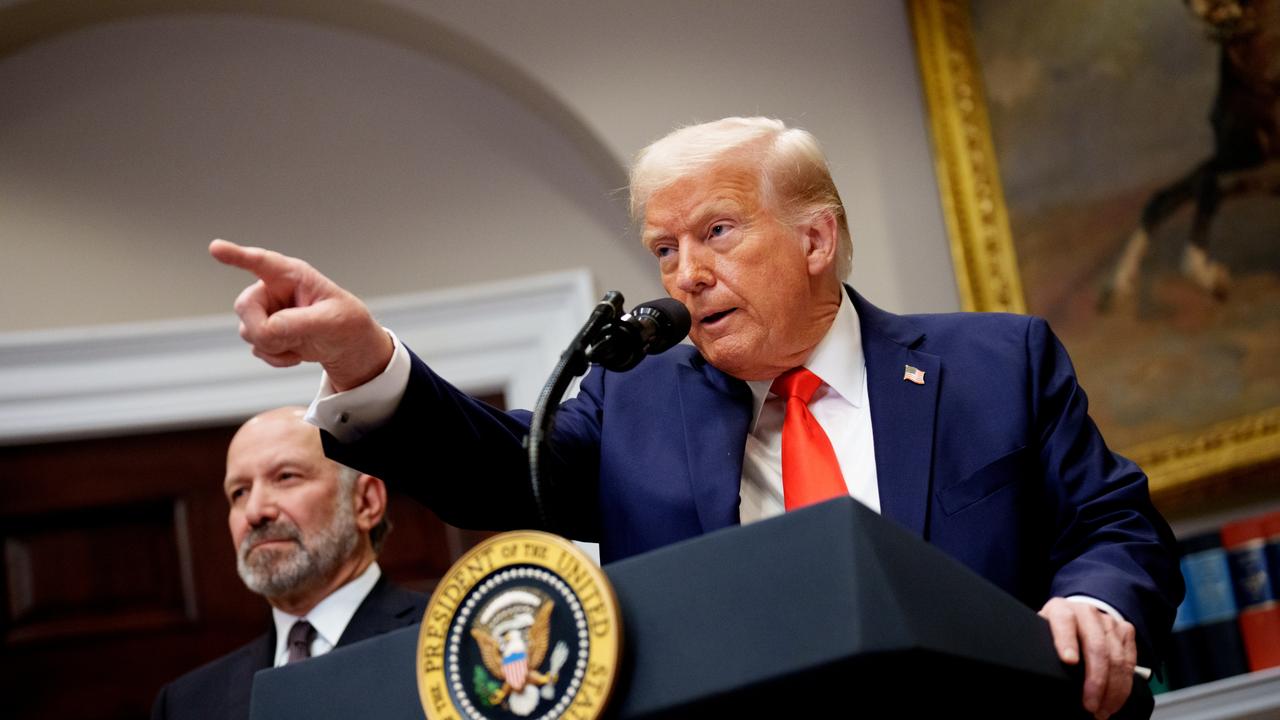
Speaking to reporters at the White House, President Donald Trump publicly welcomed Canada’s move, offering a blunt endorsement of the idea that countries should pursue trade agreements wherever they see advantage. Trump said Prime Minister Mark Carney was doing “the right thing” by striking a deal with China, adding that if a country can secure better trade terms, it should take the opportunity.
Trump’s remarks stood out given his long-standing criticism of China’s trade practices and his administration’s aggressive use of tariffs. They also contrasted sharply with the warnings coming from senior members of his own cabinet.
Several U.S. officials responsible for trade and transportation policy have expressed concern that allowing Chinese EVs into Canada could have long-term consequences for North American industry. Their argument is that Chinese manufacturers, backed by state subsidies and massive domestic scale, are able to sell vehicles at prices that Western automakers struggle to match. Opening the Canadian market, they warn, could undermine efforts to build a competitive EV supply chain in the U.S. and Canada and weaken protections for unionized auto workers.
There is also unease about spillover effects. While the deal applies to Canada, U.S. officials worry that Chinese vehicles entering the Canadian market could eventually find indirect pathways into the broader North American economy, testing the rules and enforcement mechanisms under continental trade agreements. Even if such concerns prove unfounded, critics say the optics alone could complicate Washington’s broader strategy of limiting China’s influence in critical industries.
Supporters of Canada’s decision counter that Ottawa is acting out of economic necessity rather than ideology. Canadian consumers face higher vehicle prices and fewer choices compared with markets in Europe and Asia, where Chinese EVs have gained a foothold. Allowing a controlled number of imports, they argue, could accelerate EV adoption, help Canada meet climate targets and provide leverage in negotiations with both Beijing and Washington.
From this perspective, the deal is less about choosing sides and more about flexibility. China remains Canada’s second-largest trading partner, and agricultural exporters in particular have pushed hard for improved access to the Chinese market. The reduction of tariffs on canola and other products offers tangible benefits to Canadian farmers who have been caught in the crossfire of geopolitical disputes in the past.
The episode underscores a broader challenge facing U.S. policymakers: balancing alliances with economic realities in a multipolar world. While Washington has urged its partners to align against what it sees as China’s unfair trade practices, those partners are increasingly weighing their own domestic pressures and commercial interests.
Trump’s supportive comments may reflect his transactional view of trade, where deals are judged primarily on immediate national benefit rather than broader strategic alignment. At the same time, the concerns voiced by his cabinet highlight the persistence of a more traditional protectionist and security-driven approach within the administration.
For Canada, the mixed reaction from Washington is a reminder of the delicate line it must walk. The country remains deeply integrated with the U.S. economy, particularly in the auto sector, and any perception that Ottawa is undercutting North American manufacturing could strain bilateral relations. Yet Canada also faces pressure to chart a more independent course as global trade becomes more fragmented and unpredictable.
The debate over Chinese EVs is likely to intensify as electric vehicles become central to industrial policy, climate goals and geopolitical competition. Whether Canada’s decision proves to be a calculated success or a source of future friction will depend on how the deal is implemented — and how Washington ultimately chooses to respond.
What is clear for now is that the agreement has exposed differing instincts within the U.S. government, revealing a divide between those who see trade flexibility as an asset and those who view any opening to China as a strategic risk.
Major Gmail Update: How to Switch Your @Gmail.com Address Easily | Maya