&imwidth=800&imheight=600&format=webp&quality=medium "US Jet Down in Iran? Pilot Ejects as Search Intensifies")
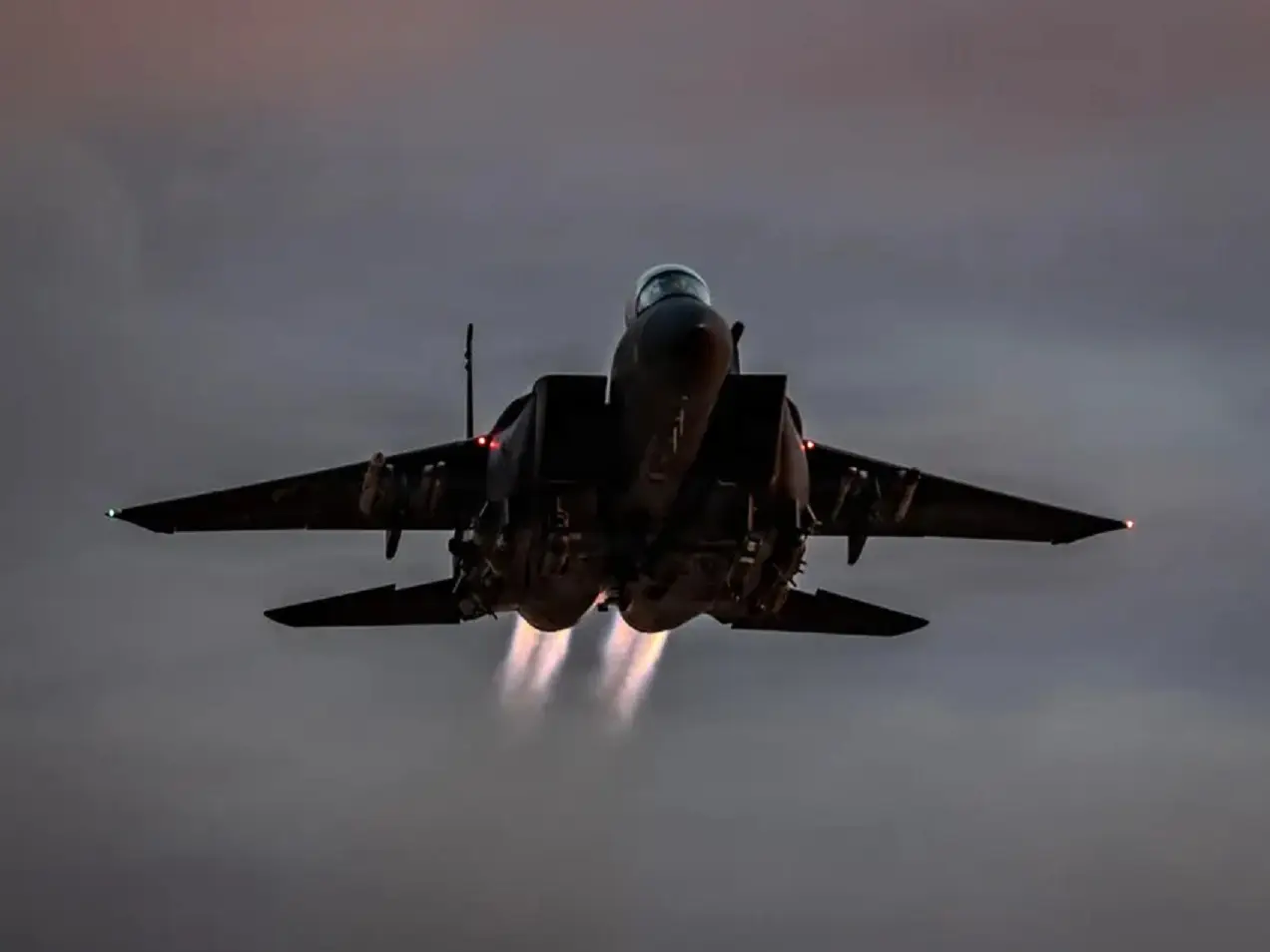
US Jet Down in Iran? Pilot Ejects as Search Intensifies- A tense situation is unfolding in the Middle East following reports that a United States fighter jet may have gone down over southwestern Iran, forcing at least one pilot to eject and setting off an urgent search effort on the ground.
Early information suggests the aircraft crashed in a remote, mountainous region in Iran’s southwest, an area known for its difficult terrain and sparse population. While the exact cause of the incident remains unclear, initial claims from Iranian sources indicate that the jet may have been brought down during ongoing hostilities. However, there has been no official confirmation from U.S. authorities regarding whether the aircraft was shot down or experienced a technical failure.
What appears more certain is that at least one pilot ejected before the aircraft crashed. The fate of the pilot remains unknown, with conflicting reports about whether they are in hiding, injured, or already in custody. In modern air combat scenarios, pilots are trained extensively for such emergencies, including survival tactics, evasion techniques, and communication protocols while awaiting rescue.
In a highly unusual move, Iranian state media, including Islamic Republic of Iran Broadcasting, reportedly urged civilians to assist in locating the pilot. Broadcast messages called on residents in nearby provinces to help search for the individual, even mentioning possible rewards for anyone who could hand over the pilot to authorities. Some messaging circulating on local channels has raised concern due to its aggressive tone, although officials have also warned civilians not to harm any captured individual.
Following these appeals, reports indicate that groups of civilians began heading toward the suspected crash site in private vehicles. This kind of public involvement in a military situation is rare and adds a layer of unpredictability to an already volatile scenario, especially given the risks to both the pilot and untrained civilians entering a potentially dangerous zone.
On the U.S. side, a search-and-rescue operation is believed to be underway. Such missions, often referred to as combat search and rescue (CSAR), are designed to recover personnel from hostile territory. These operations typically involve coordination between aircraft, intelligence units, and specialized rescue teams, and are considered among the most complex and risky military undertakings.
The possibility that a U.S. pilot is stranded inside Iranian territory significantly raises the stakes. If the pilot is captured, it could trigger a major diplomatic crisis and further escalate tensions between the two countries. Even without capture, the mere loss of an aircraft within Iran’s borders would mark a serious development in the ongoing conflict.
This incident, if confirmed, would represent the first known case of a U.S. fighter jet being lost inside Iran since the current phase of conflict began earlier this year. That alone makes it a potentially defining moment, signaling a shift in how direct and intense the confrontation has become.
At the same time, the situation highlights the challenges of verifying information during active conflict. Reports coming from different sides often vary, and details can change rapidly as new information emerges. Governments may also limit what they disclose for strategic reasons, making it difficult to establish a complete and accurate picture in real time.
As the search continues, several critical questions remain unanswered. It is still unclear whether the pilot has been located, whether rescue efforts will succeed, and how either side may respond in the coming hours and days. Each of these factors could influence the broader trajectory of the conflict.
For now, the incident stands as a stark reminder of how quickly situations can escalate in contested regions. A single downed aircraft and a missing pilot have the potential to shift military calculations, draw international attention, and intensify an already fragile geopolitical environment.
Google Releases Gemma 4, Pushing Open-Source AI Into the Mainstream | Maya