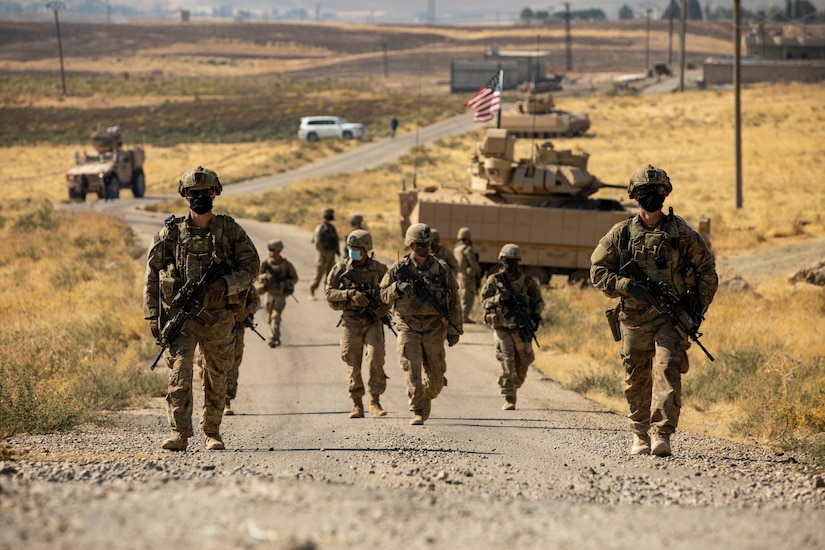
US Military Buildup in Middle East Hits 23‑Year High Amid Iran Tensions- The United States has deployed the largest concentration of military air and naval forces in the Middle East since the 2003 invasion of Iraq, signaling a major escalation in regional tensions with Iran. The move comes as diplomatic efforts continue over Iran’s nuclear program, but the scale of the deployment highlights Washington’s readiness for potential military action, raising concerns about a possible broader conflict.
Unprecedented Air and Naval Deployment
The current build-up includes dozens of advanced fighter jets, such as F‑22 Raptors, F‑35 Lightning IIs, and F‑16s, repositioned to strategic bases across the Middle East. The deployment also features aerial refueling tankers and support aircraft, enhancing the reach and endurance of U.S. operations. This concentration of air power indicates planning for sustained operations rather than temporary patrols.
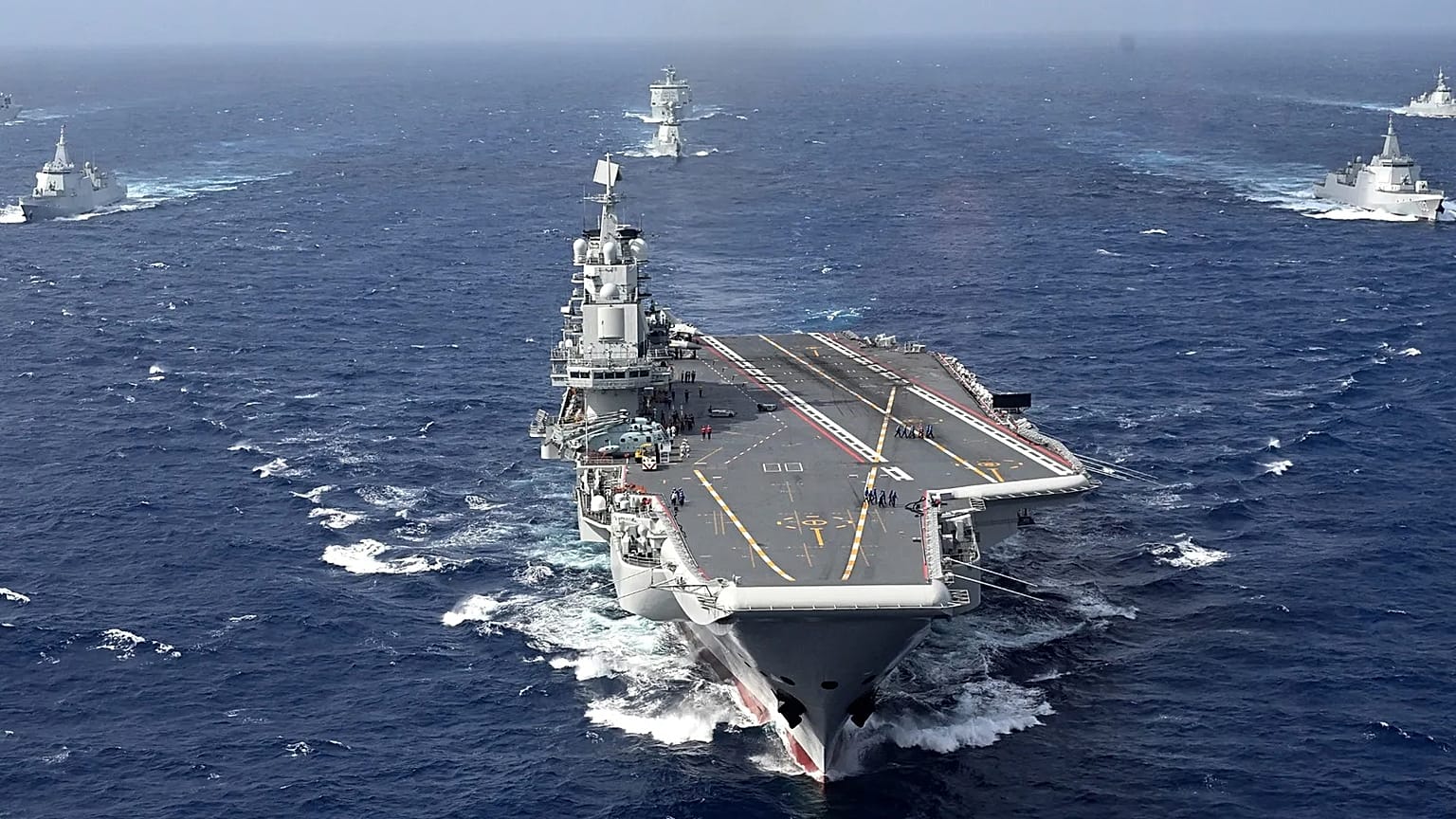
In addition to aircraft, the U.S. Navy has dispatched two aircraft carrier strike groups, including the USS Gerald R. Ford and USS Abraham Lincoln. These carriers are accompanied by destroyers, cruisers, and command ships, creating a formidable maritime presence capable of supporting air and sea operations across the Persian Gulf and beyond.
Military analysts say this buildup represents the most significant U.S. presence in the region since the early days of the Iraq War. While the scale of aircraft and carriers is smaller than in 2003, the inclusion of modern, stealth-capable jets and advanced naval systems makes this one of the most capable forces Washington has ever fielded in the Middle East. The deployment is structured to support a multi-week air campaign if necessary, not just limited strikes.
Diplomacy Continues Amid Military Posturing
This surge of forces coincides with ongoing diplomatic negotiations between the United States and Iran regarding Tehran’s nuclear ambitions. While discussions have produced limited procedural progress, significant disagreements remain unresolved. Many observers interpret the military buildup as a dual strategy: demonstrating readiness to escalate if necessary while strengthening the U.S. negotiating position.
Iran has responded by reinforcing its defensive and naval capabilities. Tehran has conducted exercises in the Strait of Hormuz, a strategic chokepoint through which a significant portion of global oil exports pass. These drills showcase Iran’s ability to retaliate or disrupt regional shipping in the event of military strikes, signaling that any escalation could have serious economic and security consequences.
Strategic and Regional Implications
The concentration of U.S. forces serves multiple strategic purposes. For regional allies, it provides reassurance of American commitment to security and deterrence. For Iran and other adversaries, it acts as a clear warning that Washington is prepared to escalate militarily if diplomacy fails.
However, the presence of such significant forces also carries risks. Any accidental engagement or miscalculation could trigger a larger conflict with far-reaching consequences. Energy markets are particularly sensitive; disruptions in the Strait of Hormuz could affect global oil supply, sending prices higher and increasing economic uncertainty worldwide.
The scale of the buildup also reflects lessons from the past. The 2003 Iraq invasion began with a “shock and awe” campaign that emphasized overwhelming air power to achieve rapid objectives. Today’s deployment may not aim for immediate conflict, but the readiness and capacity for prolonged operations demonstrate a similar approach to deterrence and pressure.
What Comes Next
While diplomacy remains the official path, the United States’ military posture suggests that contingency planning for forceful action is a priority. The combination of advanced jets, refueling support, and dual carrier strike groups gives Washington a wide range of operational options.
Whether the deployment will remain a deterrent to influence negotiations or eventually translate into direct military strikes is uncertain. Analysts stress that even limited engagement could have significant regional and global consequences, from escalating military confrontation to disruptions in energy markets.
For now, the Middle East remains one of the most volatile regions in the world, with the U.S. balancing deterrence and diplomacy. The unprecedented scale of air and naval power currently in place underlines the seriousness with which Washington views developments in Iran and signals that the situation will remain a key focus for international attention in the coming weeks.
Apple Eyes 2027 Launch for AI‑Enhanced Glasses and Wearables | Maya