What Is China Trying to Prove With Its Show of Force Near Taiwan? China’s latest display of military power near Taiwan is not simply about ships at sea or aircraft in the air. It is about signaling—carefully calculated, multi-layered signaling—to Taiwan, to the United States and its allies, to the broader region, and to China’s own domestic audience. The real question is not whether these drills matter, but what Beijing is trying to prove, and how far it is willing to go to make its point.
At the core of the issue lies Taiwan’s unresolved status. Since 1949, when the Chinese Civil War ended with the Communist Party in control of the mainland and the Nationalists retreating to Taiwan, the island has existed in political limbo. Taiwan governs itself, holds democratic elections, and maintains its own military. China, however, considers it sovereign territory and views any move toward formal independence as unacceptable. This unresolved history continues to shape East Asian security more than seven decades later.
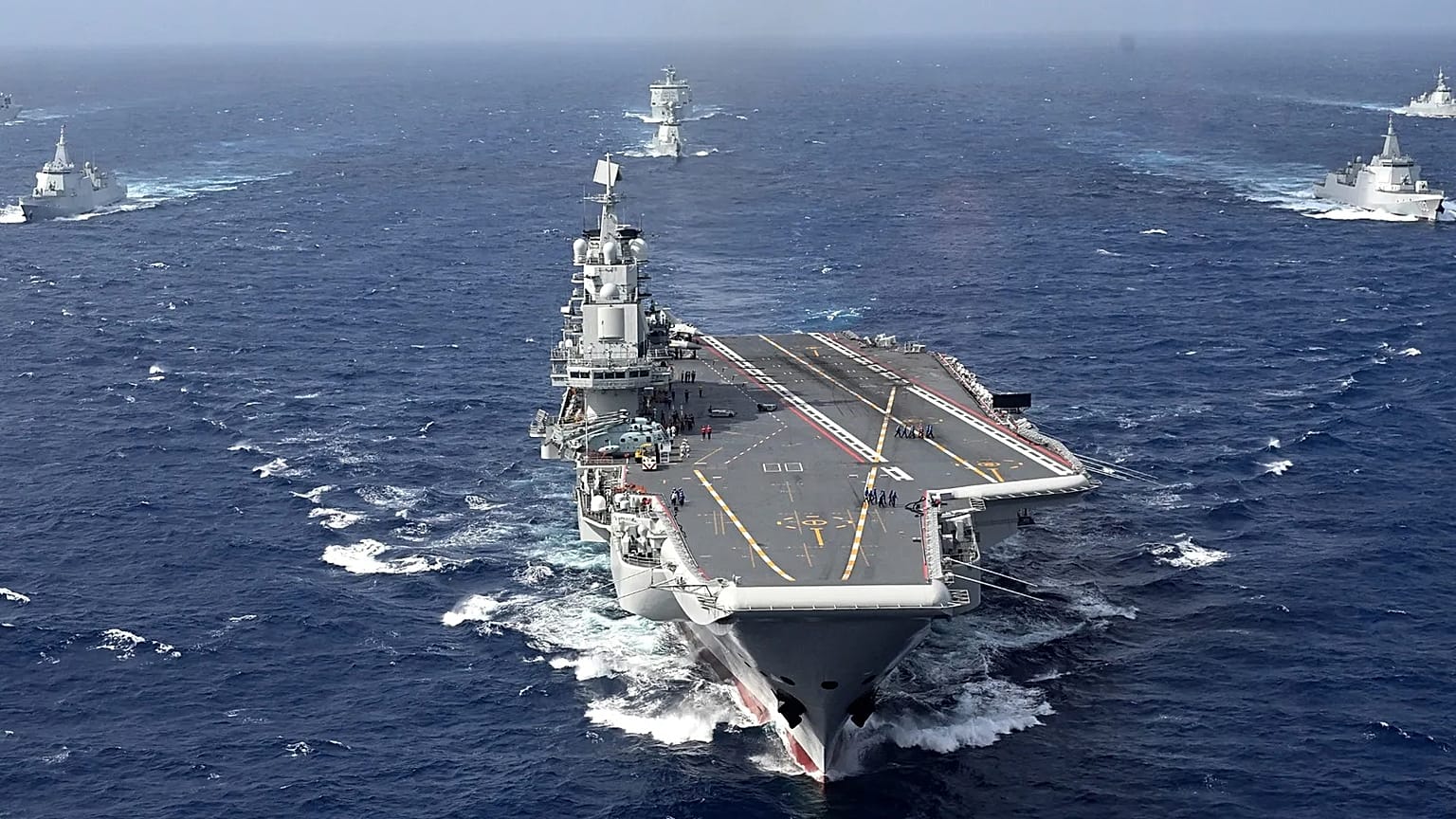
China has conducted military exercises near Taiwan for years, often in response to elections, diplomatic visits, or arms sales from the United States. What distinguishes recent drills is not just their scale, but their regularity and realism. Naval encirclement scenarios, missile simulations, and coordinated air-sea operations increasingly resemble rehearsals rather than symbolic protests.
This raises a critical question: Is China merely demonstrating capability, or is it conditioning the region to accept a future use of force as inevitable?
From Beijing’s perspective, these drills serve several purposes at once. First, they are a warning to Taiwan’s leaders. The message is clear: any step toward independence will be met with overwhelming pressure. By normalizing military activity around the island, China seeks to shrink Taiwan’s strategic space and make resistance feel futile over time.
Second, the drills test responses. Each exercise allows China to study how quickly Taiwan mobilizes, how the United States positions its forces, and how regional allies such as Japan react. In this sense, every drill is also an intelligence-gathering operation. How credible is Western deterrence in practice, not just in statements?
Third, there is a domestic dimension. China’s leadership faces economic uncertainty, demographic decline, and public anxiety about the future. Taiwan, framed as a symbol of national unity and historical justice, plays a powerful role in sustaining legitimacy at home. Demonstrating strength on Taiwan reassures the public that the government remains firm, capable, and in control.
For Taiwan, the challenge is deeply uncomfortable. It must signal resolve without provoking escalation, prepare for worst-case scenarios without creating panic, and strengthen international partnerships without crossing Beijing’s red lines. How does a smaller democracy deter a much larger power without triggering the very conflict it seeks to avoid?
The regional consequences are significant. Japan, which lies close to Taiwan and hosts major U.S. military bases, sees stability in the Taiwan Strait as directly tied to its own security. Southeast Asian nations, many of which depend on trade with both China and the West, fear being forced to choose sides. As military pressure grows, neutrality becomes harder to maintain.
Western interests are deeply entangled in this situation. Taiwan is a linchpin of the global technology supply chain, particularly in advanced semiconductors that power modern economies and defense systems. What happens to global markets if shipping lanes are disrupted or factories shut down? The economic shock would extend far beyond East Asia.
Strategically, the United States and its allies face a dilemma with no easy answers. Strong military support for Taiwan may deter China, but it also risks reinforcing Beijing’s narrative of encirclement. Too much caution, however, could invite further pressure and erode confidence in Western commitments worldwide. Where is the balance between deterrence and escalation—and is it still holding?
Another growing concern is miscalculation. As military activity becomes routine, the margin for error shrinks. Close encounters between aircraft or ships, misinterpreted maneuvers, or technical failures could rapidly spiral into crisis. Unlike past eras, today’s environment is marked by rapid communication, social media pressure, and heightened nationalism on all sides. Can crisis management keep pace with this new reality?
China insists that its actions are defensive and internal, carried out within what it considers its own territory. Much of the international community disagrees, viewing the drills as coercive and destabilizing. This disagreement reflects a deeper divide over the rules of the international order. Is power, rather than consensus, becoming the primary tool for resolving territorial disputes?
Ultimately, China’s show of force near Taiwan is about proving resolve and reshaping expectations. Beijing wants to demonstrate that it has the capability, patience, and will to pursue reunification on its own terms. The unanswered question is whether this strategy will succeed—or whether it will harden resistance, strengthen alliances against China, and increase the risk of conflict.
For now, the drills will conclude, statements will soften, and tensions may briefly ease. But the message lingers. Each show of force pushes the region closer to a defining test: can deterrence without dialogue prevent war, or is the Taiwan Strait slowly moving toward a point where pressure turns into action?