What’s Next for NASA’s Expedition 74 Crew Before the February Rotation?
NASA’s Expedition 74 crew continues to make strides aboard the International Space Station (ISS) following the safe return of the SpaceX Crew-11 mission earlier this month. With Crew-11 having completed a successful 167-day mission and splashed down off the coast of California on 15 January 2026, the remaining trio of astronauts and cosmonauts is focused on ongoing research, critical maintenance, and preparing the station for the arrival of four new crewmates scheduled to launch in February.
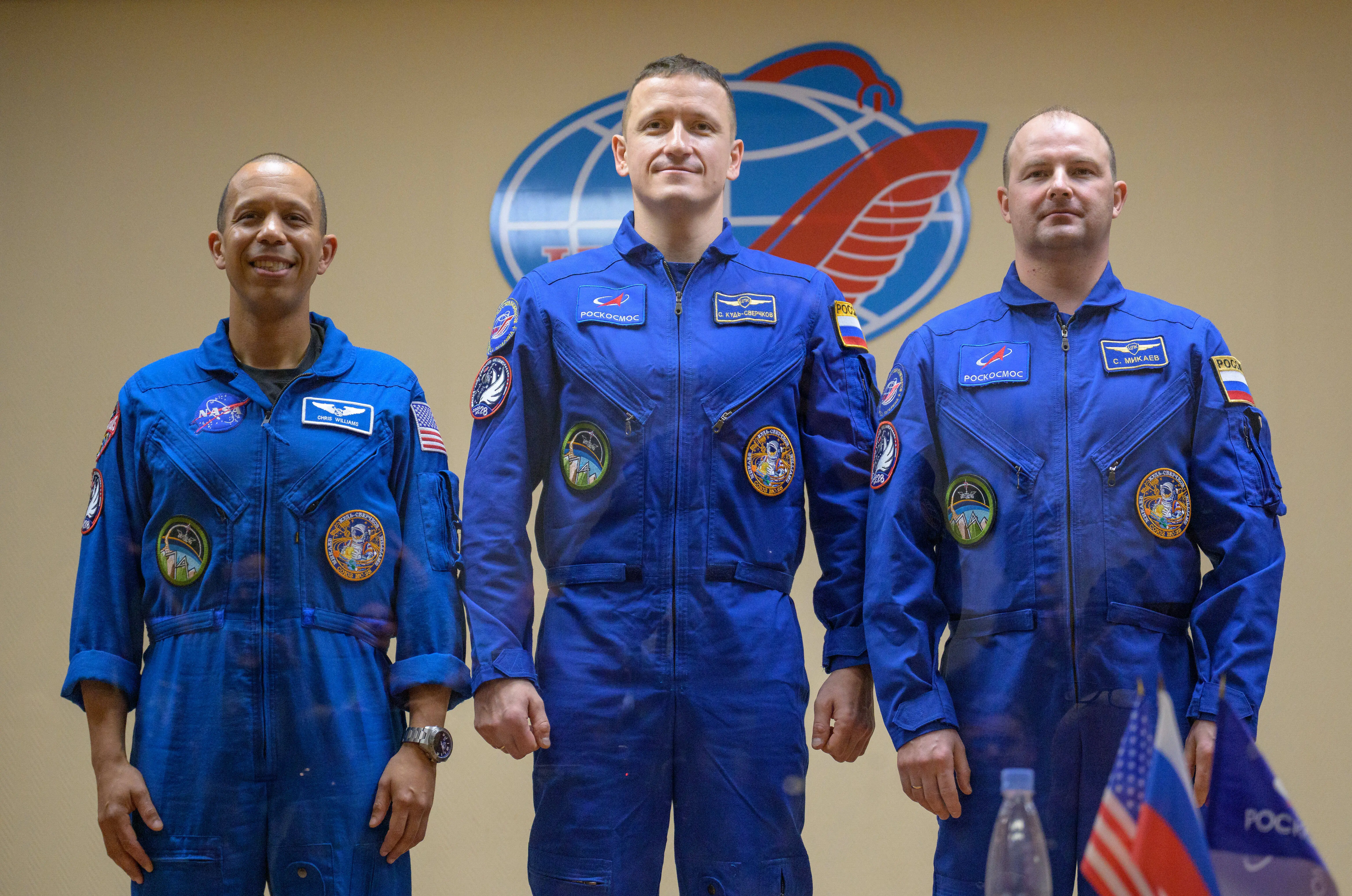
The current Expedition 74 team includes U.S. astronaut Chris Williams and Russian cosmonauts Sergey Kud-Sverchkov and Sergei Mikaev. They arrived at the ISS last November to begin an eight-month mission dedicated to scientific experiments, life-support system management, and station upkeep. According to NASA, the crew will remain aboard the orbiting laboratory until summer 2026, bridging the gap between Crew-11’s departure and the upcoming February rotation.
Continuing Research in Orbit
Even with a temporarily smaller crew, Expedition 74 has been actively carrying out a variety of experiments in microgravity. These studies cover everything from materials science to biomedical research, aiming to advance understanding of how humans and other systems respond to prolonged exposure to space.
For instance, astronaut Chris Williams has been working in the Quest airlock, managing spacesuit systems critical for future spacewalks. When a scheduled spacewalk was postponed, Williams took the opportunity to clean and flush the cooling systems in two spacesuits — a routine but essential procedure to ensure equipment remains safe and reliable. These actions not only maintain the functionality of life-support gear but also help prepare for more complex operations once the new crew arrives.
Meanwhile, cosmonaut Sergei Mikaev has been setting up Earth-observation equipment, part of ongoing programs to monitor environmental changes, natural disasters, and atmospheric conditions. Observations from space provide scientists with invaluable data on climate patterns, urban development, and even ocean health — work that has implications for life back on Earth as well as for planning future missions to the Moon and Mars.
Sergey Kud-Sverchkov, the third member of the team, has focused on the station’s oxygen generation system, ensuring the continuous supply of breathable air for the crew. Proper maintenance of life-support systems is a top priority, particularly during periods of crew transitions when fewer personnel are aboard the station.
Preparing for the February Crew Rotation
The arrival of the next set of astronauts and cosmonauts in February will temporarily expand the station’s population, allowing for more sophisticated research and operations. NASA has emphasized that Expedition 74’s current work is critical for a smooth transition. Tasks such as checking communication systems, inspecting equipment, and maintaining life-support modules ensure that the incoming crew can immediately begin their mission without delays.
In addition to technical preparation, the crew continues to rehearse safety procedures and station protocols. These include emergency drills, such as fire response, depressurization procedures, and evacuation exercises. By keeping the station operational and safe, Expedition 74 ensures the ISS remains a reliable laboratory for international research even during crew changes.
Science and Innovation in Action
Expedition 74’s ongoing experiments highlight the unique opportunities provided by the ISS. Microgravity research allows scientists to study how fluids behave in space, how materials solidify, and how the human body adapts to long-duration missions. This knowledge is vital for NASA’s broader exploration goals, including lunar missions under the Artemis programme and eventual human travel to Mars.
Biological and biomedical experiments onboard are particularly significant. The crew participates in studies related to bone density, muscle atrophy, immune system function, and cardiovascular health in microgravity. Findings from these studies help not only astronauts but also patients on Earth suffering from similar conditions.
Earth observation is another key focus. Mikaev’s work with imaging equipment and sensors contributes to climate monitoring, natural disaster tracking, and environmental research. Data collected by the ISS provides an unparalleled vantage point for understanding global changes over time.
International Collaboration
Expedition 74 demonstrates the ongoing spirit of international cooperation in space exploration. NASA and Roscosmos continue to coordinate operations seamlessly, combining resources, expertise, and personnel to ensure the station remains fully operational. The February crew rotation will further strengthen this partnership, bringing together astronauts from multiple countries to work side by side in orbit.
The ISS remains a hub for multinational research, and Expedition 74’s contributions exemplify how collaboration enables scientific progress. By maintaining station systems, conducting experiments, and preparing for incoming crews, the current astronauts ensure the ISS continues to serve as a world-class laboratory.
Looking Ahead
As the February rotation approaches, Expedition 74’s remaining crew will continue balancing research, maintenance, and operational readiness. Their work ensures that the ISS remains safe, productive, and prepared for the challenges and opportunities brought by new arrivals.
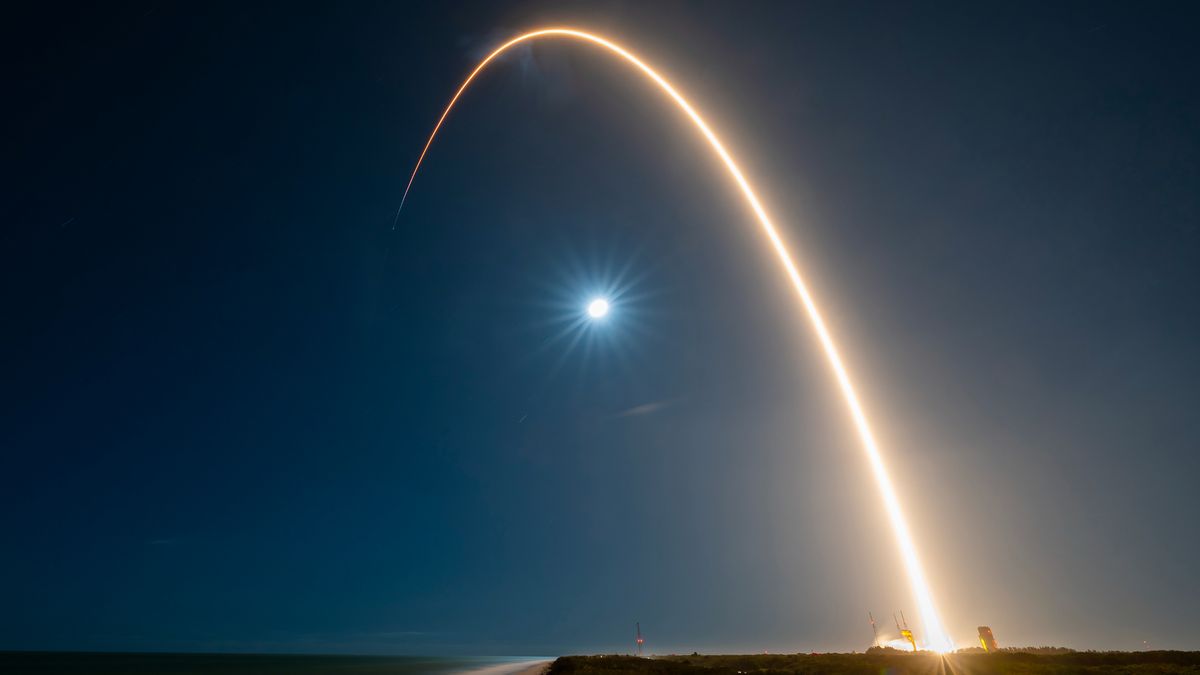
Crew-11’s successful return underscores the reliability of NASA’s partnership with SpaceX, which has become essential for maintaining regular rotations of astronauts to and from low Earth orbit. With every handover, the ISS strengthens its role as a platform for science, innovation, and international collaboration.
By summer 2026, Expedition 74 will have not only completed their assigned mission but also paved the way for the next generation of astronauts. Their efforts ensure that the ISS continues to contribute to humanity’s understanding of space, Earth, and the challenges of long-duration human spaceflight — knowledge that will be essential for future missions to the Moon, Mars, and beyond.
Wave Ripples on Mars Rock Could Rewrite the History of Water on the Red Planet | Maya