When Allies Look East: Starmer’s Risky China Reset
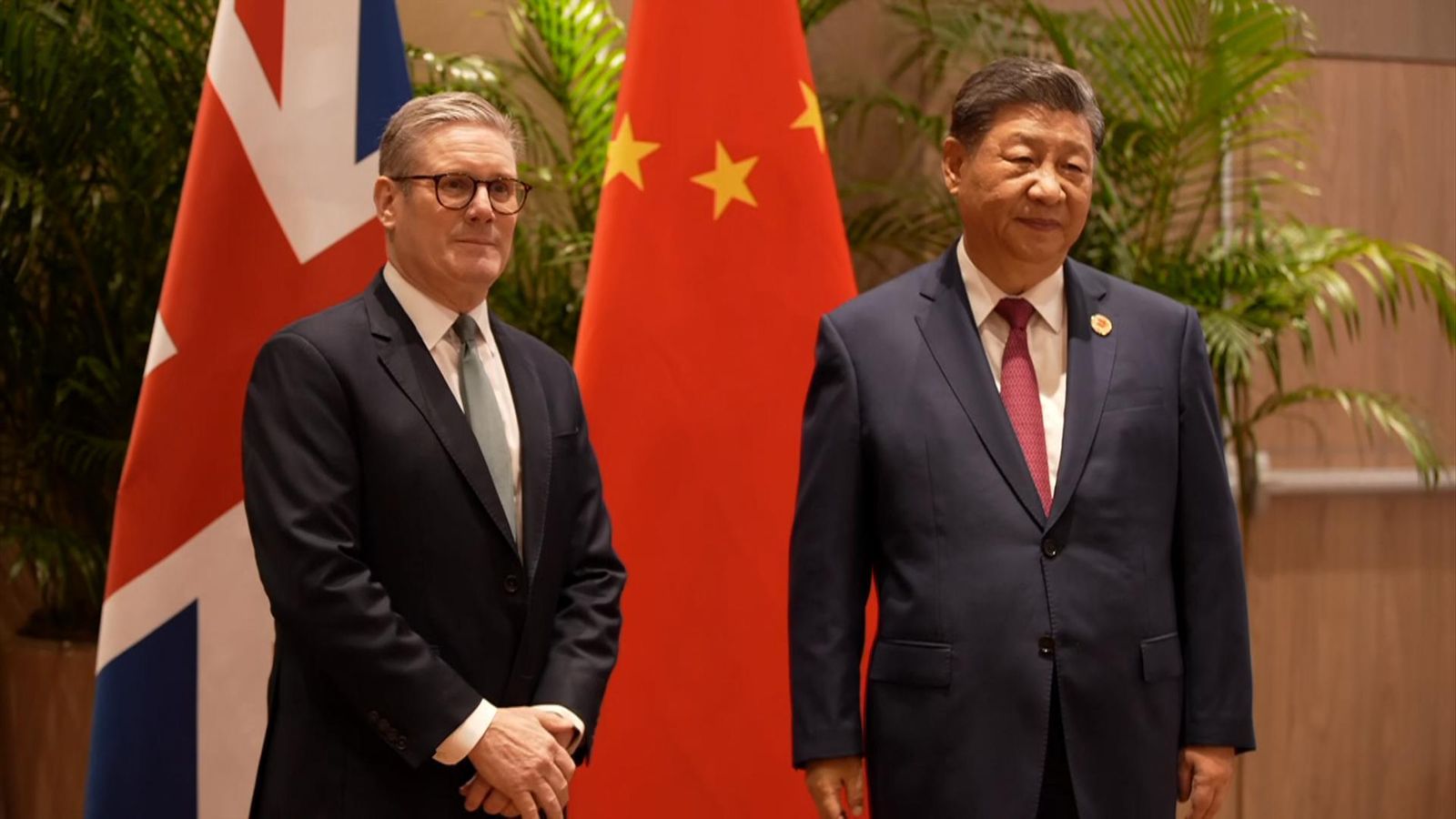
Keir Starmer’s meeting with Xi Jinping inside Beijing’s Great Hall of the People marked more than a routine diplomatic engagement. It exposed a quiet but consequential shift underway across the Western world—one in which long-standing US allies are cautiously re-engaging China as Washington turns trade policy into a blunt instrument.
Officially, the talks focused on reviving what both sides described as a “comprehensive strategic partnership,” a diplomatic upgrade frozen since relations soured in the late 2010s. Unofficially, the absence was just as notable as the agenda: Donald Trump’s name never surfaced, even as his trade policies hovered over the room like an unspoken presence.
Starmer’s emphasis on cooperation over climate and global stability “in difficult times” was carefully chosen. When your closest ally becomes the greatest source of economic unpredictability, diplomacy starts to widen its circle.
Beijing’s New Diplomatic Traffic Jam
Britain is not acting alone. Over the past month, Beijing has hosted a steady procession of leaders from American-aligned states. South Korea’s president arrived first, followed by Canada’s prime minister and Finland’s head of government. Germany’s chancellor is scheduled next.
This clustering is no accident. It reflects a shared calculation: keep the US alliance intact, but reduce dependence on a partner whose policies change with political moods and social-media posts. Four major US allies visiting China in a single month underscores how dramatically the diplomatic map has shifted.
Controversy at Home
Starmer’s trip came with baggage. Just weeks earlier, his government approved plans for a significantly expanded Chinese embassy in London—easing a long-standing bilateral irritant while igniting fierce domestic backlash.
Security analysts warn the complex could be used for intelligence gathering or harassment of Chinese dissidents in Britain. The sequencing was unmistakable: embassy approval first, Beijing invitation next.
The delegation itself sent signals. More than 50 business leaders accompanied the prime minister, alongside the Chancellor and Business Secretary. The Foreign Secretary was notably absent. This was a commercial mission first, a diplomatic one second.
Critics point to unresolved contradictions. A classified review of Britain’s China policy, completed last summer, remains unpublished. At the same time, British media tycoon Jimmy Lai sits imprisoned in Hong Kong under the national security law. Despite publicly prioritizing his release, Starmer has yet to meet Lai’s family.
The impression—fair or not—is of a government willing to mute uncomfortable truths in exchange for economic access.
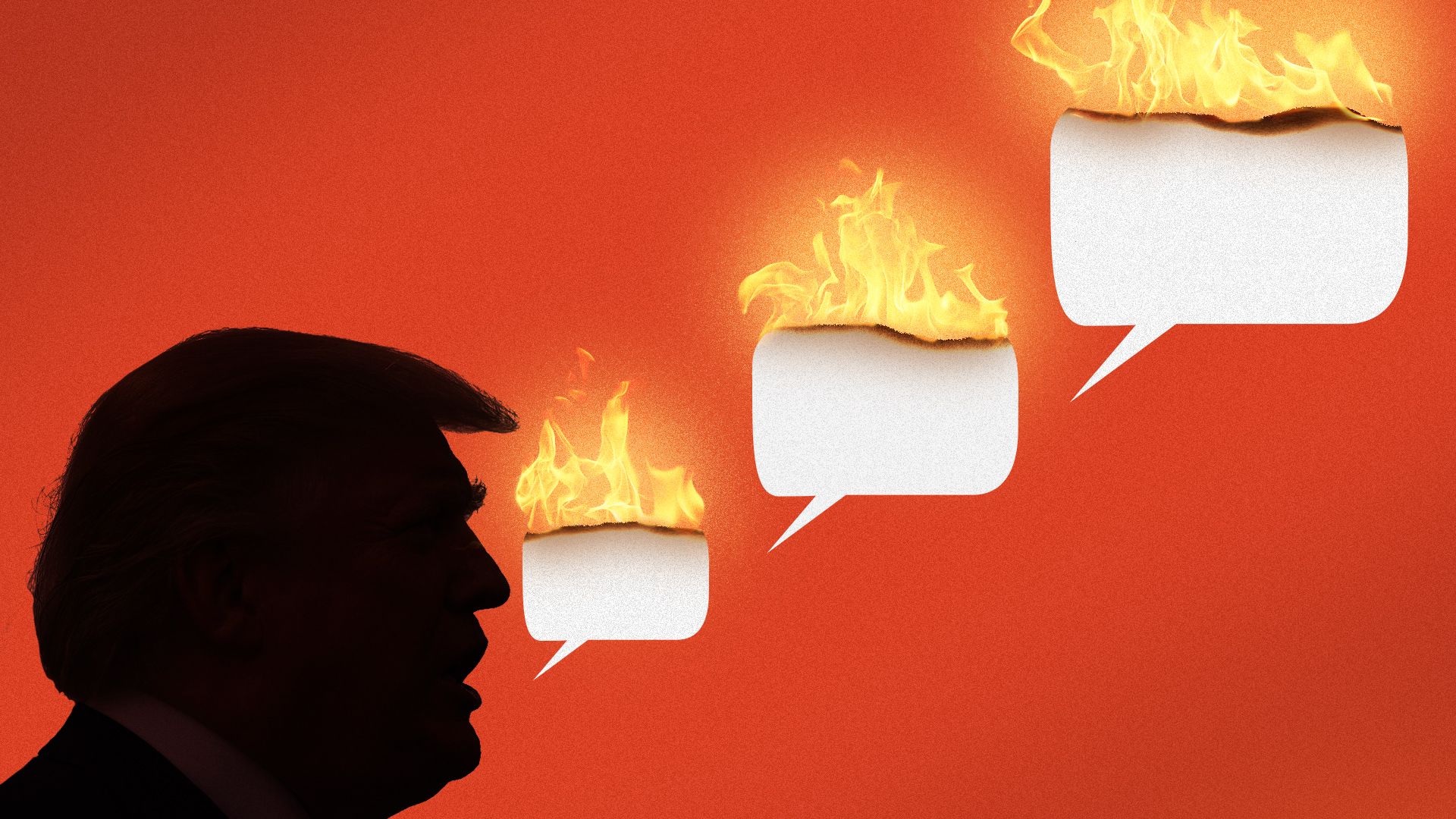
Trump and the End of Predictable Trade
This recalibration cannot be understood without acknowledging how radically US trade policy has changed.
Throughout 2025, Trump’s administration deployed tariffs indiscriminately. Canada and Mexico were hit with sweeping duties framed as tools to combat fentanyl trafficking and migration. Trade policy became leverage, not strategy.
April brought what markets derisively labeled “Liberation Day,” when Washington imposed reciprocal tariffs on countries running trade surpluses with the US. By January 2026, average US tariffs had climbed to roughly 14 percent—levels unseen since the mid-20th century.
The economic fallout was immediate. US job creation collapsed to under 600,000 in 2025, down from roughly 2 million annually in preceding years. Allies fared no better: Japan faced tariffs exceeding 30 percent on key exports, Canada’s rates climbed toward 35 percent, and Switzerland absorbed nearly 40 percent duties.
But the deeper damage lay in volatility. Tariffs appeared, vanished, and reappeared without warning. Allies struggled to plan around a system where rules were constantly renegotiated and even long-standing security commitments were openly questioned.
Beijing’s Moment
China seized the opening. Xi Jinping used his meeting with Starmer to cast Beijing as a stabilizing force, lamenting recent tensions and portraying engagement as essential to global peace.
His remarks subtly reframed criticism of Starmer at home, suggesting that leadership sometimes requires pressing ahead despite resistance. It is precisely the narrative Starmer needs—engagement not as appeasement, but as realism.
Why the Economics Matter
Behind the rhetoric lies hard math. China was Britain’s fourth-largest trading partner in 2024, with bilateral trade exceeding $130 billion. While the UK runs a goods deficit, it enjoys a services surplus—finance, legal services, healthcare, and consulting.
China’s push to boost consumption and open service sectors plays directly to British strengths. For a Labour government under pressure to revive growth, few markets offer comparable scale.
Companies like Standard Chartered, deeply embedded in China for more than a century, continue expanding despite geopolitical strain. Technology, creative, and professional-services firms see opportunity, not ideology.
An Almost Impossible Balance
Starmer must juggle competing priorities:
-
Growth: China offers markets and capital Britain urgently needs.
-
Security: Espionage and cyber threats remain acute, prompting past bans on Chinese involvement in telecoms and nuclear projects.
-
Alliances: Despite unpredictability, US intelligence and security ties remain indispensable.
-
Values: Public concern over Hong Kong, Xinjiang, and human rights is not fading.
Any return to the optimism of the 2015 “golden era” is widely dismissed as fantasy. China’s economic dominance is far greater now—commanding vast shares of manufacturing, rare-earth processing, and clean-energy supply chains. Western climate goals are increasingly dependent on Chinese technology, shifting leverage decisively eastward.
A Multipolar World Takes Shape
Starmer’s visit fits a broader global realignment. Trump’s trade disruptions have accelerated the expansion of BRICS, now encompassing 11 members and accounting for over 40 percent of global GDP by purchasing power.
At Davos, leaders openly discussed diversifying away from US-centric systems. From Paris to Brasília, governments are building alternatives—not from ideological preference, but necessity.
What Counts as Success
Over four days in Beijing and Shanghai, Starmer must deliver concrete outcomes: market access, investment, and cooperation—without appearing to trade security or values for contracts.
The difficulty is stark. Britain’s post-EU position limits leverage, and neither Washington nor Beijing rewards perceived weakness. Starmer must avoid alienating the US while returning home with results substantial enough to justify the political cost.
A Gamble with No Safety Net
The meeting produced warm words and promises. Whether it marks a genuine reset or merely manages long-term decline in relations remains to be seen.
What is already evident is that the old assumptions—Western unity, predictable American leadership—no longer apply. Starmer is betting that cautious engagement with China is the least risky option in an unstable world.
Britain is not alone. Across the Western alliance, governments are quietly hedging against Washington’s volatility by strengthening ties with Beijing. The real question is no longer loyalty—but whether alliances can endure when their anchor chooses disruption over stability.
Chrome Gets AI Image Tools and Gemini Assistant in New Side Panel | Maya