Why Is Mark Carney Visiting China Now?
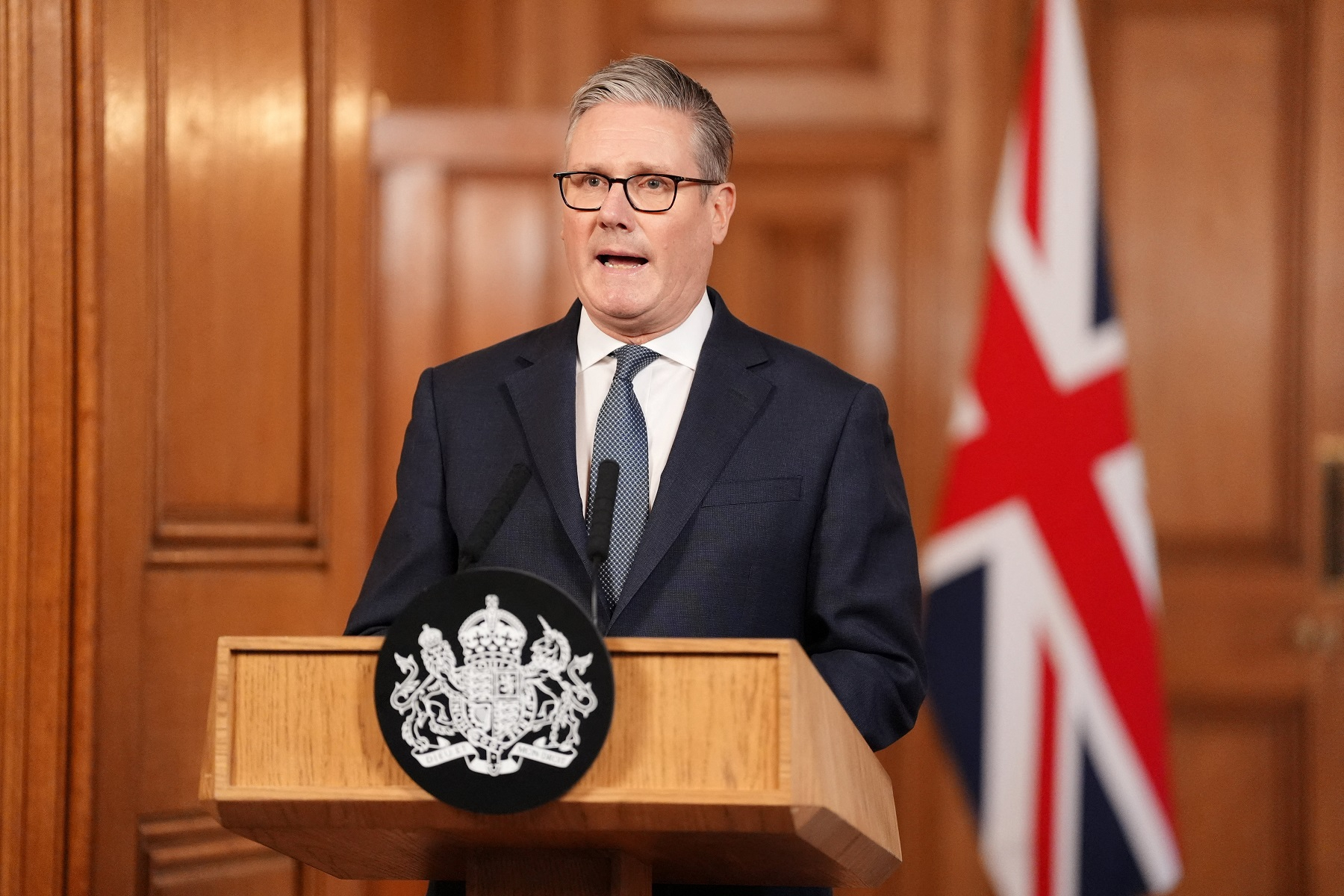
Prime Minister Mark Carney’s visit to China this week is more than a diplomatic milestone—it is a strategic signal shaped by growing global instability, rising geopolitical rivalries, and increasing pressure from Canada’s closest ally, the United States. As the first trip to China by a sitting Canadian prime minister since 2017, the timing is deliberate and revealing.
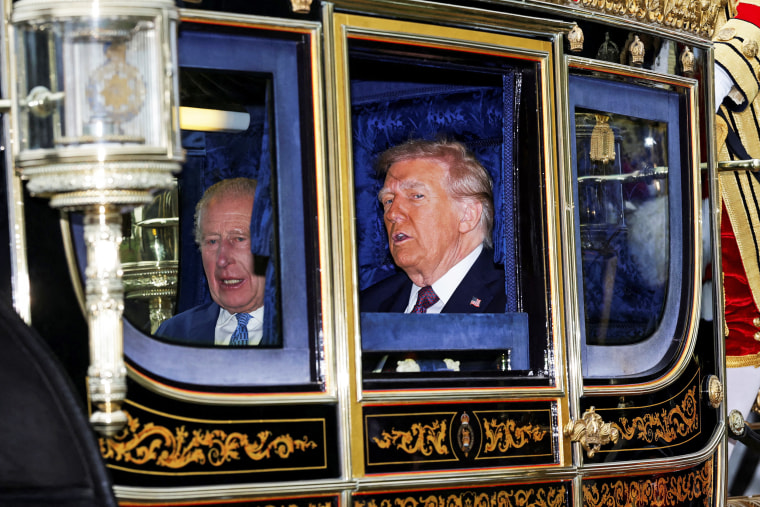
At its core, the visit reflects Canada’s urgent need to diversify its economic and political options. For decades, Canada’s prosperity has been closely tied to the U.S., with trade, security, and supply chains deeply integrated across the border. But that reliance is increasingly seen as a vulnerability. Trade disputes, tariff threats, and unpredictable political rhetoric from Washington—particularly from former president Donald Trump, who has openly questioned the nature of U.S.–Canada relations and even floated inflammatory remarks about Canada’s sovereignty—have underscored the risks of overdependence on a single partner.
Against this backdrop, Carney’s China trip can be read as a message to Washington as much as to Beijing: Canada intends to retain strategic autonomy. By engaging China, the world’s second-largest economy, Ottawa is signaling that it will pursue its own interests in a multipolar world, even when doing so makes allies uncomfortable.
The global context makes this balancing act even more complex. Ongoing instability and conflict in parts of South America, including political crises, border tensions, and disruptions to energy and commodity markets, are contributing to global economic volatility. For Canada, a major exporter of energy, minerals, and agricultural products, these disruptions highlight the fragility of global supply chains and the importance of securing multiple, stable markets. China’s demand for resources and its central role in global manufacturing make it an unavoidable player in this equation.
Carney has framed the visit around building a “competitive, sustainable and independent economy,” with discussions expected to touch on energy cooperation, critical minerals, clean technology, and financial stability. These sectors are strategically important not only for economic growth but also for Canada’s long-term positioning amid the global energy transition and technological competition between the U.S. and China.
Still, the risks are significant. Canada–China relations remain strained by concerns over national security, foreign interference, human rights, and the protection of sensitive technologies. Experts warn that engagement must be cautious and tightly managed. Any economic opening must be paired with strong safeguards to prevent strategic dependence or security vulnerabilities—especially at a time when U.S.–China rivalry is forcing allies to make increasingly uncomfortable choices.
Carney’s challenge, then, is to navigate between two powerful forces: a United States that expects alignment and loyalty, and a China that offers economic opportunity but carries substantial strategic risk. His visit does not signal a shift away from the U.S., but rather a recognition that Canada cannot afford to have its future defined by any single power.
Ultimately, the question driving this trip is not whether Canada is choosing China over the United States, but whether it can chart a more independent path in a fractured world. As global conflicts widen, alliances strain, and rhetoric hardens, Carney’s China visit is a test of whether pragmatic diplomacy can still carve out space for middle powers to protect their interests without surrendering their values or sovereignty.
Kai Trump Opens Up About Politics, Social Media, and Growing Up in the Spotlight | Maya