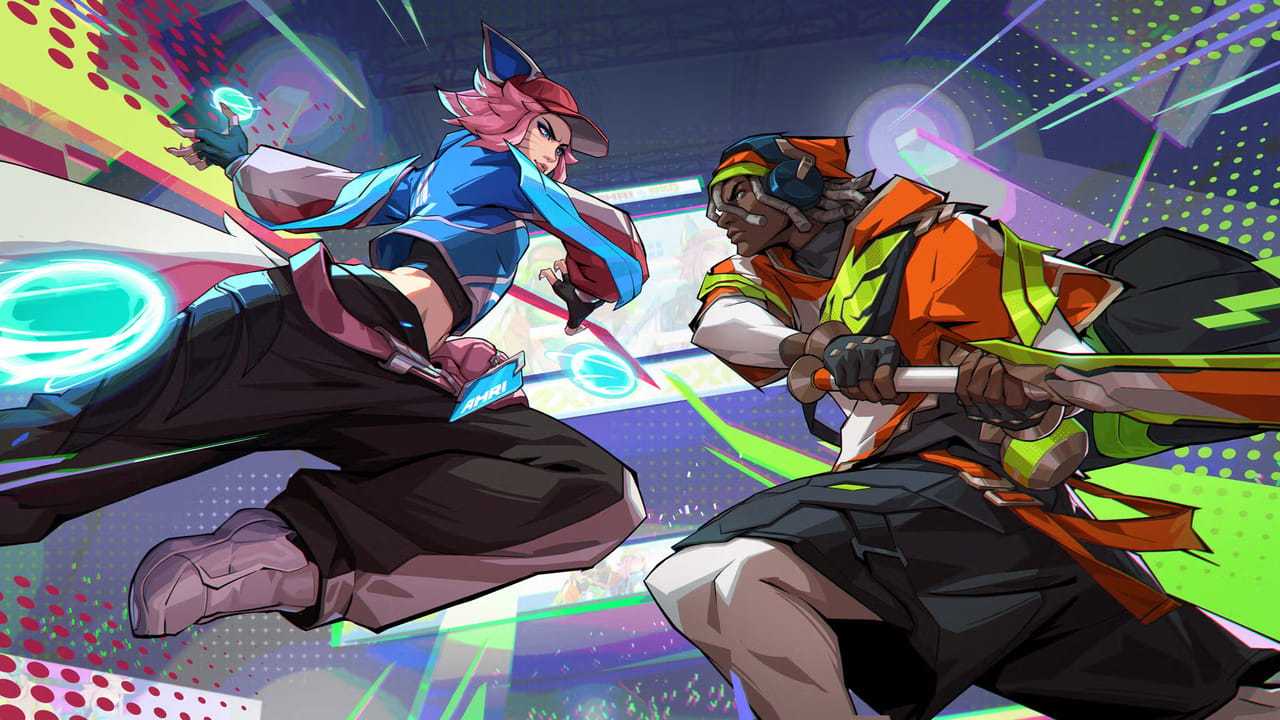
Why Riot Spent Nearly a Decade Making 2XKO- When Riot Games unveiled Project L in 2019, the announcement seemed straightforward: the studio behind League of Legends was making a fighting game. For many fans, it felt like a natural expansion of Riot’s growing portfolio. What wasn’t obvious at the time was just how long the project had already been in motion. By the time Project L evolved into 2XKO and reached players through early access in late 2025, the game had been shaped by almost ten years of development—a timeline that speaks volumes about Riot’s strategy and ambitions.
Table of Contents
ToggleEntering a genre that doesn’t forgive mistakes
Fighting games are among the most demanding genres in the industry. Unlike many other competitive titles, small design missteps can alienate players instantly. Input latency, unbalanced characters, unclear mechanics, or poor online performance can all doom a game within weeks of launch. Riot understood that entering this space meant competing not just with new releases, but with decades-old franchises that have refined their systems across multiple generations.
Studios like Capcom, Bandai Namco, and NetherRealm didn’t perfect their flagship series overnight. Games such as Street Fighter, Tekken, and Mortal Kombat evolved over years of iteration, community feedback, and tournament play. Riot knew it couldn’t shortcut that learning process. Time, rather than speed, became the company’s most important resource.
Learning the “language” of fighting games
One of the biggest reasons 2XKO took so long was the need to internalize what makes fighting games work at a fundamental level. The genre operates on its own design language—frame data, hitboxes, spacing, reads, mind games—that isn’t immediately intuitive, even to experienced developers.
Riot’s team spent years studying existing fighters, breaking down why certain mechanics endure and why others fail. According to interviews with the development team, this meant carefully unpacking more than 30 years of genre knowledge. The goal wasn’t to reinvent fighting games from scratch, but to understand their core principles deeply enough to build something new without breaking what already works.
This approach also required humility. Riot entered the project knowing that success in MOBAs or tactical shooters wouldn’t automatically translate into mastery of a one-on-one (or in 2XKO’s case, two-on-two) fighting experience.
Balancing accessibility and depth
Another major challenge was designing a game that could appeal to two very different audiences: hardcore fighting game veterans and Riot’s existing player base, many of whom had never touched a traditional fighter.
2XKO’s tag-based 2v2 system emerged as a solution to that problem. By allowing players to control teams of champions, Riot introduced layers of strategy and spectacle while reducing some of the pressure that comes with solo competitive play. Simplified inputs and clearer visual feedback helped lower the entry barrier, but the underlying systems were built to support high-level play.
Striking that balance took years of iteration. Every adjustment risked tipping the game too far in one direction—either becoming inaccessible to newcomers or shallow for competitive players. Extensive internal testing and public playtests were critical to refining that balance over time.
Building for long-term competition
Riot didn’t want 2XKO to be a game that burned bright and faded quickly. From the outset, the team treated it as a long-term competitive platform. That meant investing heavily in stable online infrastructure, responsive netcode, and tools that could support tournaments and content creation.
Rollback netcode, now considered essential for modern fighting games, required significant technical investment. So did systems for ongoing balance updates, character additions, and esports support. These aren’t features that can be bolted on at the end of development—they have to be built into the game’s foundation.
The extended development timeline gave Riot the space to make those decisions early, rather than reacting after launch.
Respecting the weight of expectations
Riot’s name carries enormous expectations. Every major release from the company is compared not only to competitors, but to Riot’s own past successes. A rushed or underdeveloped fighting game wouldn’t just fail on its own—it would damage trust in Riot’s ability to expand beyond its core genres.
That pressure encouraged caution. Instead of chasing trends or rushing to meet an arbitrary release window, Riot allowed 2XKO to grow at its own pace. Internally, developers often pointed to how long it took franchises like Tekken to reach their current level of refinement, emphasizing that quality in this genre is earned over time.
A slow build, not a delay
By the time 2XKO reached early access on PC in late 2025 and consoles in early 2026, it was clear that the long development cycle wasn’t the result of indecision or mismanagement. It was a deliberate choice to learn, iterate, and respect the genre Riot was entering.
Whether 2XKO ultimately becomes a pillar of the fighting game community will be decided by players and competitors over the coming years. But one thing is already clear: Riot didn’t spend nearly a decade making 2XKO because it was slow. It did so because, in fighting games, rushing almost always leads to a knockout—just not the kind developers want.
How the Space Economy Will Outgrow Earth Markets by 2030 | Maya