U.S.-Iran Conflict Escalates as Both Sides Exchange Strikes Amid Strait of Hormuz Standoff- Military tensions between the United States and Iran have intensified sharply as both countries continue exchanging attacks, raising fears of a broader regional conflict centered on the strategically vital Strait of Hormuz.
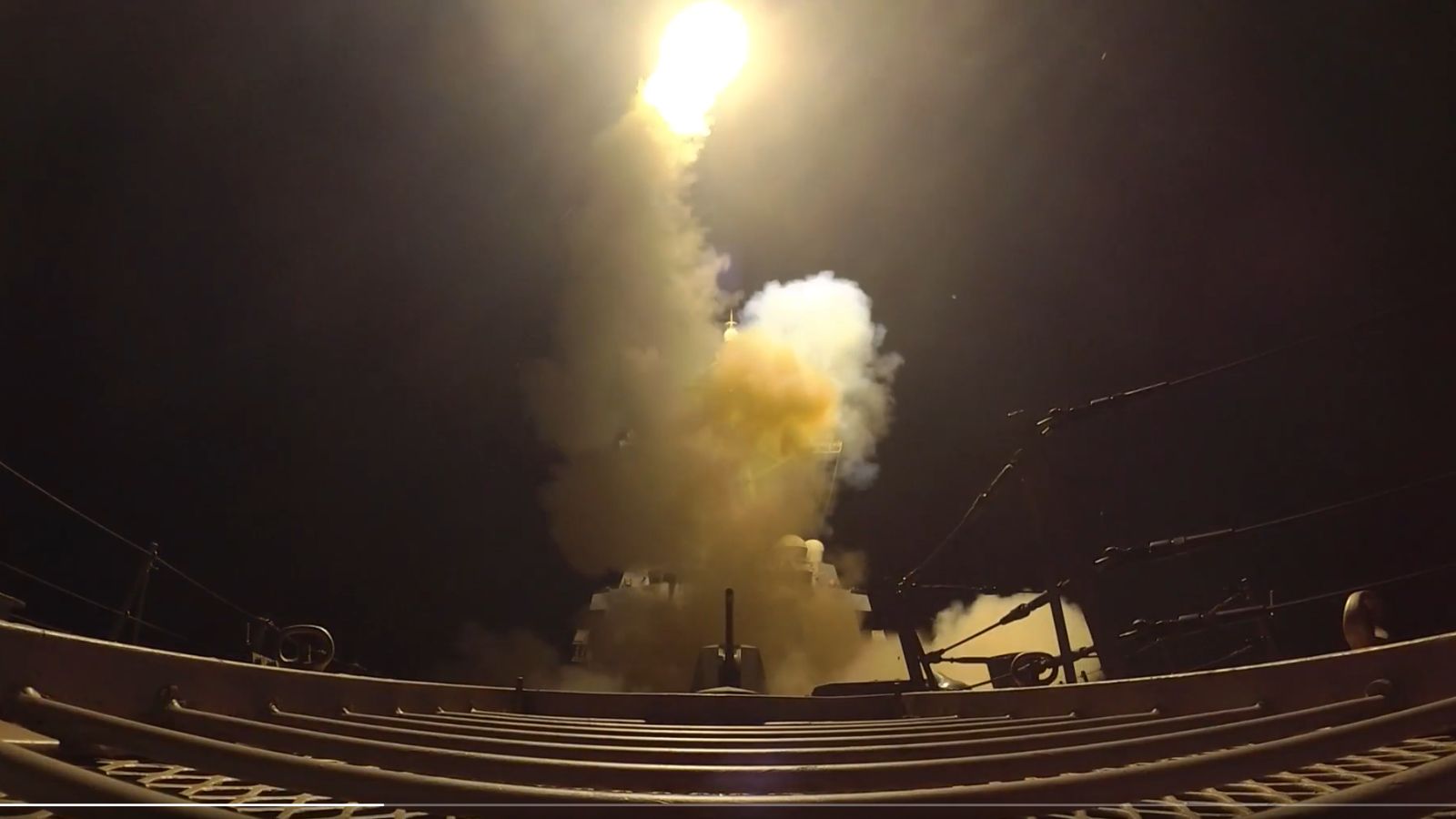
According to U.S. Central Command (CENTCOM), American forces carried out strikes on 140 targets across Iran on Sunday as part of ongoing military operations. Iran responded by claiming it launched retaliatory attacks against U.S. military installations across the Middle East. The Islamic Revolutionary Guard Corps (IRGC) said its forces targeted American facilities in Bahrain and Kuwait, damaged radar systems in Oman, and struck fuel storage and ammunition depots at Jordan’s Prince Hassan Air Base.
The latest escalation follows Iran’s announcement that it is closing the Strait of Hormuz, one of the world’s most important maritime trade routes through which a significant share of global oil exports passes. The move has heightened concerns about disruptions to global energy supplies and increased volatility in international markets.
The conflict has further deepened after U.S. President Donald Trump declared that the ceasefire between Washington and Tehran was effectively over. The breakdown of the temporary truce has been followed by renewed military operations from both sides, raising doubts about the prospects for a diplomatic resolution.
Iran maintains that under a 60-day memorandum of understanding (MOU) reached with the United States, commercial vessels transiting the Strait of Hormuz are required to coordinate their movements with Iranian authorities. Washington has rejected Tehran’s interpretation, insisting that international shipping should continue to enjoy freedom of navigation through the waterway without Iranian oversight.
Iranian Foreign Minister said on Monday that the United States had violated multiple provisions of the MOU since the ceasefire came into effect, including those relating to the management of the Strait of Hormuz. Tehran argues that continued U.S. military operations and its refusal to recognize Iran’s authority over the shipping route amount to breaches of the agreement.
Meanwhile, independent journalist Jeremy Scahill, co-founder of Drop Site News, criticized the U.S. military’s handling of information surrounding the conflict. He alleged that CENTCOM and the Pentagon have downplayed the impact of Iranian retaliatory strikes and argued that the Trump administration has underestimated Iran’s military capabilities since the conflict began.
The growing confrontation has prompted renewed concern among global leaders and financial markets. Any prolonged disruption in the Strait of Hormuz could significantly affect international energy supplies, shipping operations, and oil prices, given the waterway’s critical role in global trade.
With both Washington and Tehran showing little sign of backing down, the risk of a wider regional conflict continues to rise, while diplomatic efforts to restore the ceasefire appear increasingly uncertain.