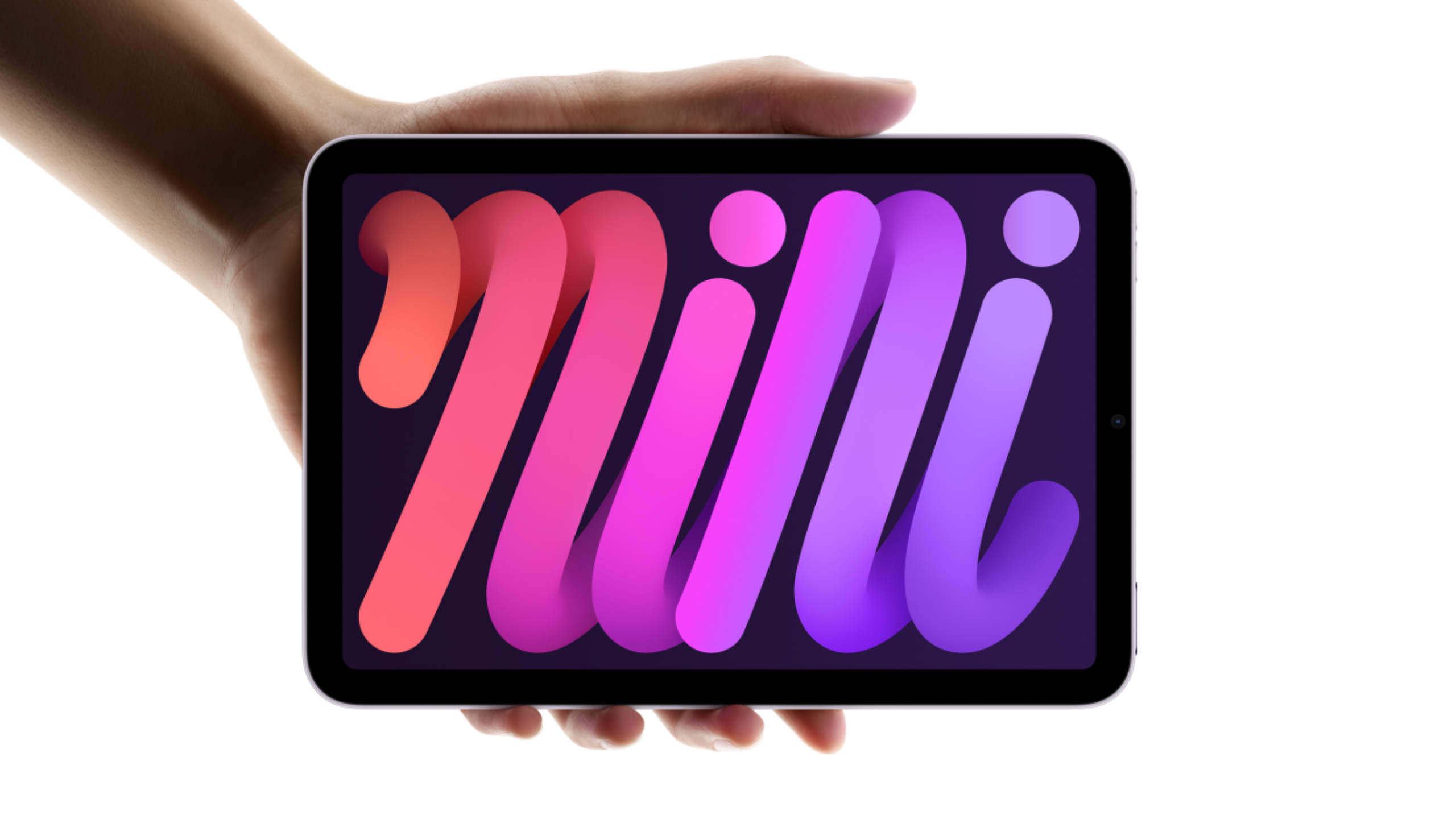
Leaked iPad Mini 8 Specs Point to 60Hz OLED Screen: Apple’s next-generation iPad mini 8 may finally make the long-awaited switch to an OLED display, but a new leak suggests the compact tablet could miss out on one feature many users were hoping for: ProMotion’s 120Hz adaptive refresh rate.
According to a recent supply chain leak, the upcoming iPad mini is expected to feature a 60Hz LTPS (low-temperature polycrystalline silicon) hybrid OLED panel instead of the more advanced LTPO (low-temperature polycrystalline oxide) OLED technology found in Apple’s latest iPad Pro lineup. If the report proves accurate, Apple could be prioritizing affordability and battery efficiency over premium display performance for its smallest tablet.
The rumor has sparked discussion among Apple enthusiasts, many of whom expected the company’s first OLED iPad mini to receive a more significant display upgrade.
OLED finally arrives on the iPad mini
For years, industry watchers have anticipated Apple bringing OLED technology to more of its iPad lineup. The company introduced OLED displays on the latest iPad Pro models, delivering deeper blacks, improved contrast, richer colors, and greater power efficiency compared to traditional LCD panels.
The iPad mini has continued to use an LCD display through its current generation, making an OLED transition one of the most requested upgrades for the compact tablet.
Even if Apple opts for a 60Hz OLED panel, users would still benefit from several improvements over the existing LCD display. OLED technology allows each individual pixel to emit its own light, eliminating the need for a backlight. This produces true black levels, stronger contrast ratios, more vibrant colors, and better viewing angles while also helping reduce power consumption during darker content.
60Hz could disappoint some buyers
The biggest talking point surrounding the leak is the reported 60Hz refresh rate.
Apple’s premium iPad Pro models feature LTPO OLED displays with ProMotion, allowing the refresh rate to dynamically adjust between 10Hz and 120Hz depending on what’s happening on screen. Higher refresh rates make animations smoother, improve scrolling, enhance gaming performance, and provide a more responsive experience when using the Apple Pencil.
By comparison, an LTPS OLED display generally operates at a fixed refresh rate, such as 60Hz, 90Hz, or 120Hz, without dynamically adjusting based on usage. If Apple indeed selects a fixed 60Hz panel, the iPad mini would offer visual improvements through OLED while maintaining the same refresh rate as the current LCD-equipped model.
For users primarily focused on reading, streaming video, web browsing, and productivity, a 60Hz display would likely remain perfectly adequate. However, gamers and users accustomed to Apple’s ProMotion technology may notice the difference immediately.
Apple may be reserving ProMotion for premium models
The rumored decision would fit Apple’s broader product strategy of maintaining clear distinctions between its standard and premium devices.
The company has historically limited ProMotion technology to higher-end products, including the iPad Pro and select iPhone Pro models. While some recent reports suggest Apple’s upcoming smartphone lineup may expand high-refresh-rate displays to additional models, the company still carefully differentiates its devices through display technology.
Offering an OLED screen without ProMotion would allow Apple to modernize the iPad mini while preserving premium features for more expensive iPad Pro models.
Samsung reportedly handling production
The latest leak also claims that Samsung Display has begun mass production of the new OLED panels at its A2 Generation 5.5 manufacturing line located in Asan, South Korea.
Samsung has extensive experience producing OLED displays for smartphones, tablets, and other consumer electronics. The A2 production line is capable of manufacturing both LTPS and LTPO OLED panels, meaning the reported production location alone does not definitively confirm which technology Apple has chosen.
As with many supply chain reports, final specifications could still change before Apple’s official announcement.
OLED brings benefits beyond refresh rate
Although much of the discussion has centered on refresh rates, OLED technology itself represents a meaningful upgrade.
Compared with LCD panels, OLED displays offer:
- Higher contrast ratios with true blacks.
- Improved color accuracy and vibrancy.
- Better HDR performance.
- Greater power efficiency when displaying darker interfaces.
- Thinner display construction, potentially allowing slimmer devices.
These improvements could significantly enhance media consumption, photo editing, and everyday use even without a higher refresh rate.
Launch expected later in 2026
Apple has not officially confirmed the existence of the iPad mini 8, but multiple industry reports suggest development is well underway.
Recent reports from South Korean supply chain sources indicate OLED panel production has already started, pointing toward a possible late 2026 launch window. Apple traditionally refreshes the iPad mini less frequently than its flagship tablets, making this update one of the most anticipated in the product line.
Beyond the display, rumors suggest Apple could introduce a newer Apple-designed processor, improved battery life, updated wireless connectivity, and enhancements to Apple Pencil compatibility. However, few reliable details about additional hardware changes have emerged.
A balanced upgrade?
If the latest leak proves accurate, Apple’s next iPad mini may represent an incremental rather than revolutionary update.
The addition of OLED technology would deliver noticeable improvements in picture quality, energy efficiency, and overall display performance. At the same time, retaining a 60Hz refresh rate could leave some buyers wishing for the smoother experience offered by ProMotion-equipped devices.
Ultimately, Apple’s decision may come down to balancing cost, battery life, and product positioning. By pairing OLED with a standard refresh rate, the company could keep the iPad mini competitively priced while reserving its most advanced display technologies for the premium iPad Pro lineup.
Until Apple officially unveils the device, however, the reported specifications remain unconfirmed, and display details could still change before launch.